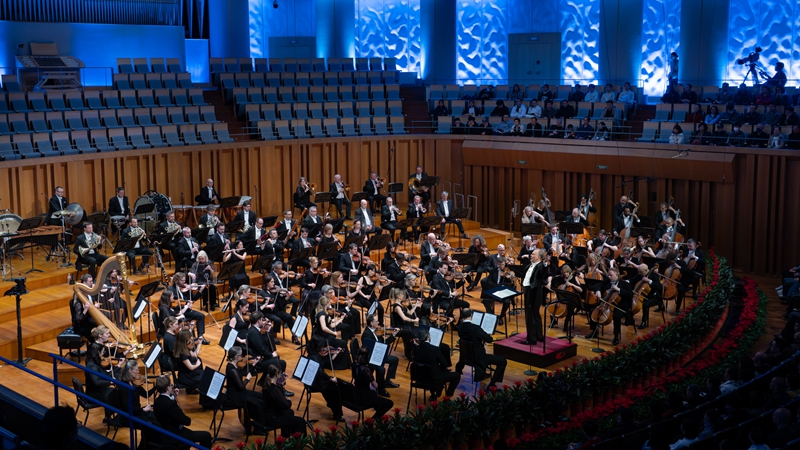
On the night of March 20
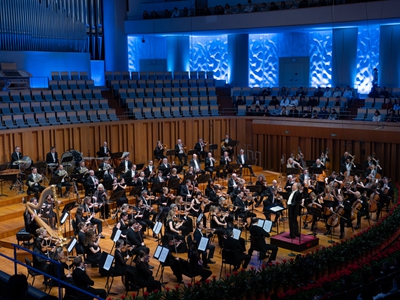
th, Finnish conductor Sakari Oramo conducted a concert entitled “Spring Rhapsody” given by the BBC Symphony Orchestra together with French pianist Bertrand Chamayou. Three masterpieces, composed by Richard Strauss, Bartók and Brahms, were presented at the concert, immersing the Beijing audience in the most breathtaking symphonic moments of this spring.
The year 2026 marks the 45
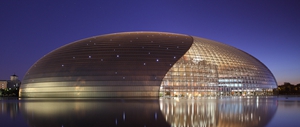
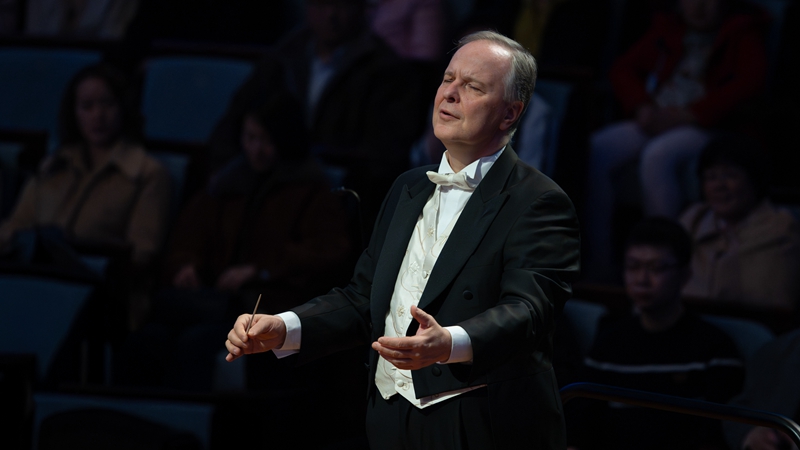
th anniversary of the BBC Symphony Orchestra’s first visit to China, as well as its return to the NCPA seven-year hiatus. There was thunderous applause when conductor Sakari Oramo stepped onto the stage leisurely. This Finnish maestro, who has served Principal Conductor of the BBC Symphony Orchestra in its 12 seasons, has conducted some of the world’s top orchestras, such as the Berliner Philharmoniker and Wiener Symphoniker. Not only that, he has created countless wonderful moments at the BBC Proms. That night, under his leadership, this elite British orchestra with a history of almost one hundred years, showcased its crystal-clear structural cohesion and authority on the stage of Beijing.
The concert began with Richard Strauss' symphonic poem
Don Giovanni. This piece, centred on a highly concise thematic motif, unfolded with an amazing narrative logic under Oramo’s baton. The orchestra’s precise control over strings and its tension-filled rendition of wind music brought out the best in each other, so that the legendary, lecherous childe came to life in the melody - he was still proud and amorous, but ultimately ending in disillusionment.
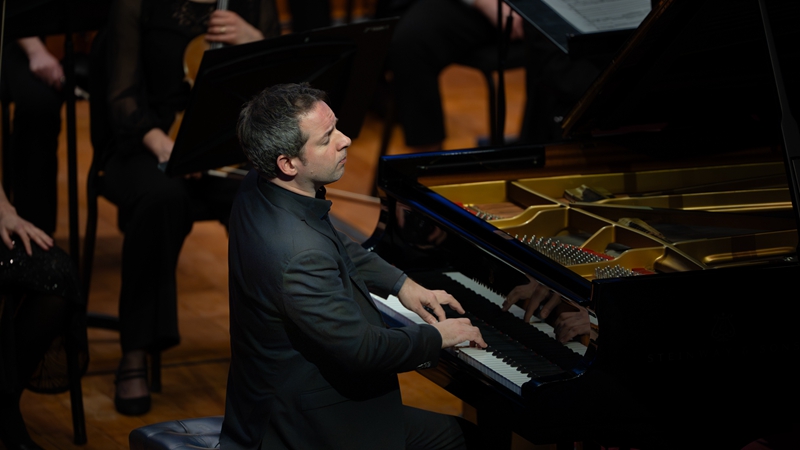
The concert reached a climax in its first half when French pianist Bertrand Chamayou appeared on the stage. As a winner of both “Gramophone Award” and “ECHO Klassik”, he is hailed as one of the most thoughtful pianists of our time. Piano Concerto No. 3 in E Major is Bartók’s swan song, which he composed to bid farewell and praise life. Chamayou gave a precise rendition of every musical note in his dramatic performance. Particularly when interpreting the second movement “Adagio religioso”, he seemed to say a prayer on the piano, leaving the audience spellbound. Then in the third movement “Allegro vivace”, he performed with amazing skills, fully revealing the collisions between folk dance rhythms and modern musical vocabulary.
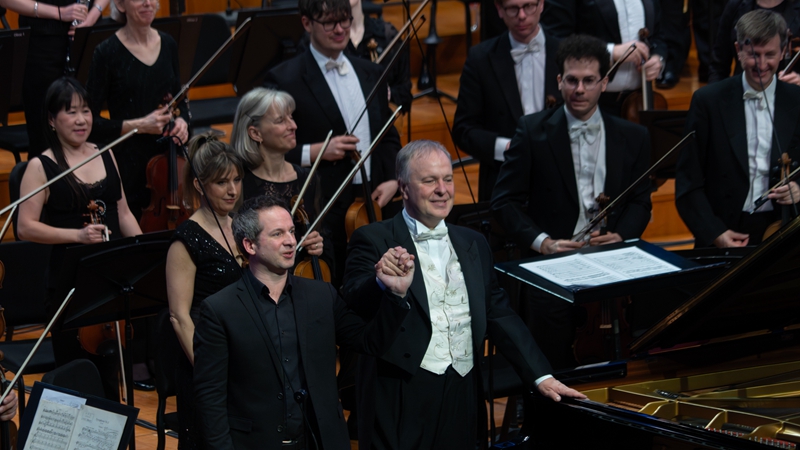
In the second half of the concert, the BBC Symphony Orchestra played Brahms’ Symphony No. 2 in D Major. Extolled as Brahms’ “pastoral symphony”, this piece sounded like something warm and profound that night. The theme of the first movement unfolded slowly like spring sunshine. Then came the second movement “Adagio non troppo” with a glimpse of dim twilight. Finally came the finale “Allegro con spirito”, with the music drawing to a close in jubilation - achieving a perfect balance between order and freedom, and between tradition and innovation.
From the symphonic poem to the concerto and to the symphony, these three pieces ascended progressively in terms of genre, with their length and structural complexity increasing step by step. Richard Strauss’ concise narrative, Bartók’s modern self-discipline, Brahms’ classical order - Under Oramo’s baton, the BBC Symphony Orchestra gave a delicate, dramatic performance, showcasing its profound understanding of German-Austrian classics and Eastern European modernism as a British ensemble.
As the host of the Proms, the BBC Symphony Orchestra always exudes an air of easiness and approachability, making the audience feel at ease. But as a top-tier radio orchestra, its expertise is not to be underestimated. Such a unique trait is exactly what characterises its artistry, which has been honed for nearly a century. At 19:30 on 21
st, the BBC Symphony Orchestra will give another concert, entitled “Fantastic Journey”, at the NCPA to interpret Saint-Saëns’ Piano Concerto No. 5 “Egypt”, Mendelssohn’s
Hebrides Overture and Stravinsky’s
Firebird Suite.



 Repertoire
 Films
Films
 Videos
 Podcast
 China NCPA Orchestra
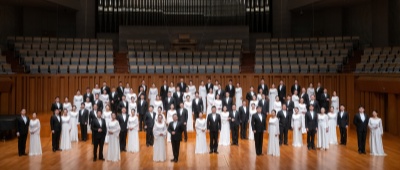 China NCPA Chorus
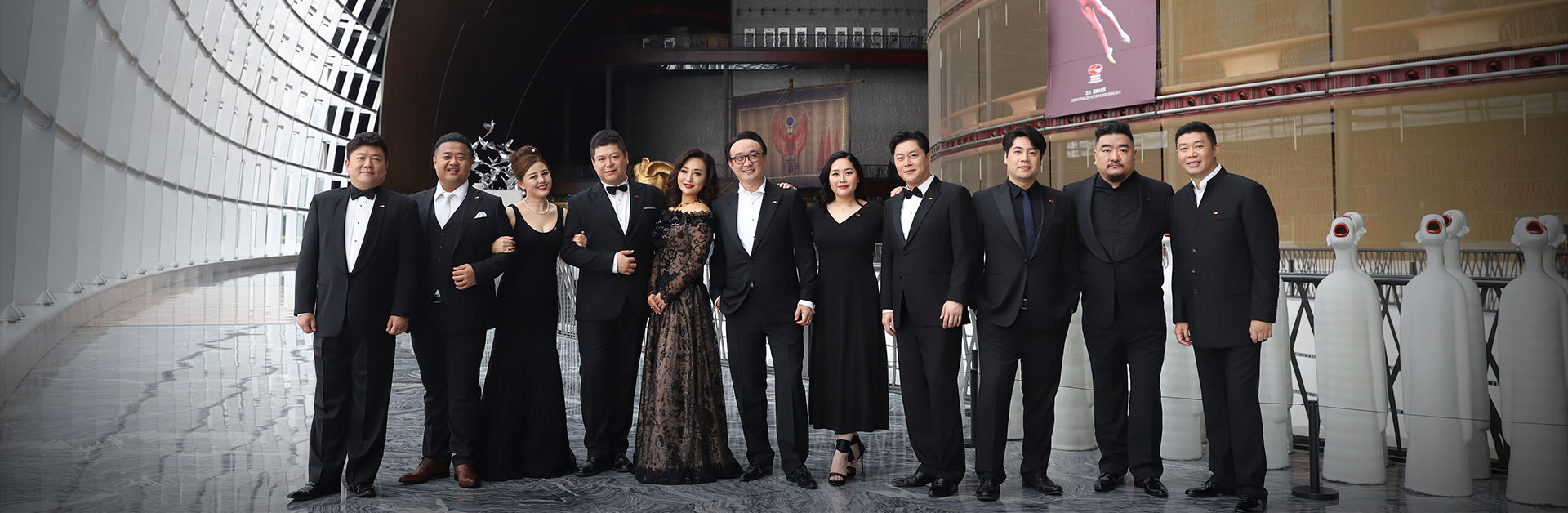 NCPA Resident Singers
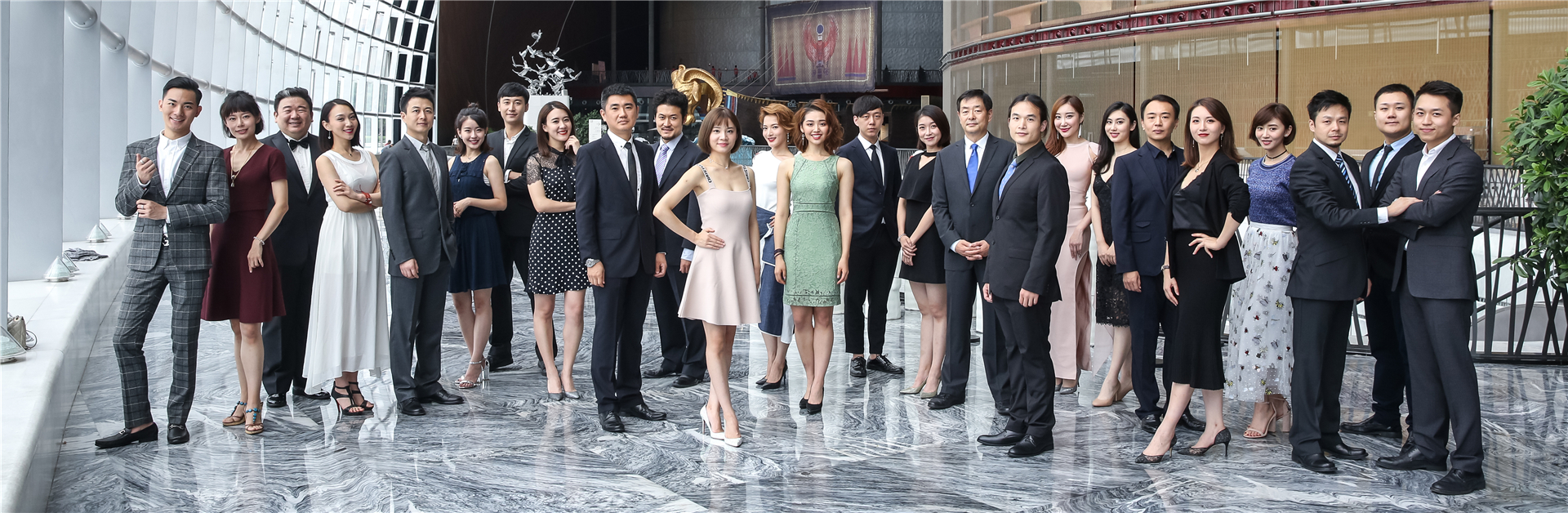 NCPA Drama Ensemble
 Buildings
Exhibitions
Buildings
Exhibitions
 Opening Hours
Services
Opening Hours
Services
 Western Cuisine
NCPA Café
Arts Gifts
Western Cuisine
NCPA Café
Arts Gifts