On the night of May 18
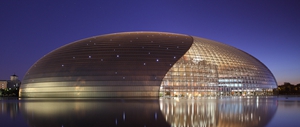
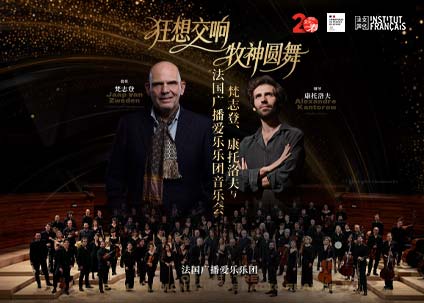
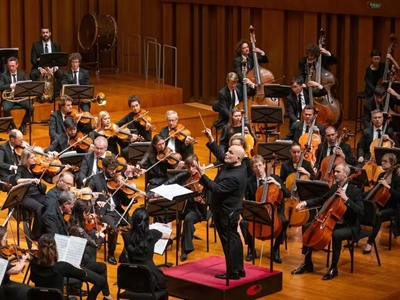
th, 2026, the NCPA Concert Hall hosted a concert titled “Rhapsodique par symphonique”. The renowned conductor Jaap van Zweden led the Orchestre Philharmonique de Radio France, together with Alexandre Kantorow, gold medalist of the International Tchaikovsky Competition, presenting two classic masterpieces to the music audience in Beijing: Rachmaninoff’s
Rhapsody on a Theme of Paganini and Bruckner’s Symphony No. 7 in E Major. Alive with “intense emotion, great virtuosity, grand structure and profound philosophy”, the concert presented two distinct facets of symphonic music from the late Romantic period to the early 20
th century.
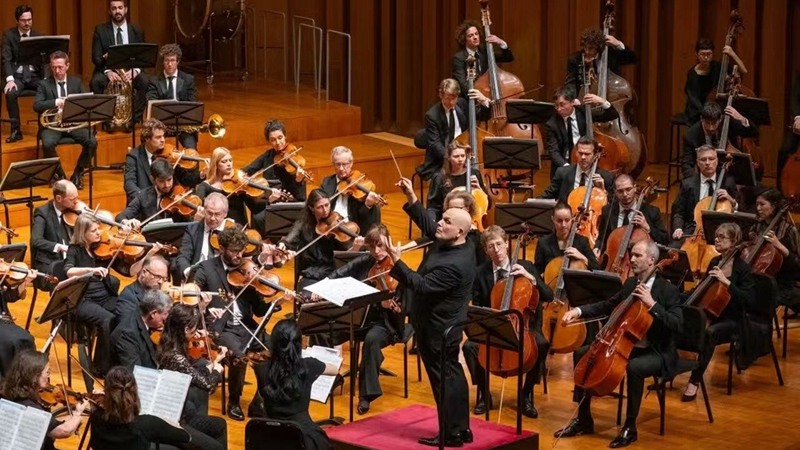
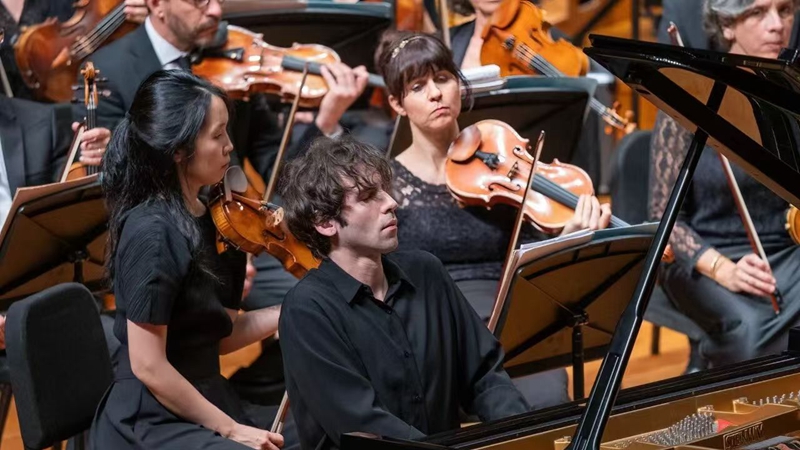
In the first half, Kantorow worked with the orchestra on Rhapsody on a Theme of Paganini. Composed in 1934, based on the theme of Paganini’s Caprice No. 24 for Violin, this piece unfurls with 24 variations, sounding as magnificent as a concerto and as lively as variations. Kantorow’s performance fully demonstrated the exceptionally high technical demands of the piece, He handled quick tone clusters and wide leaps with complete ease.His touch combined a metallic precision with a singing suppleness. The most celebrated of all, Variation 18, employs an inversion of the original theme, transforming the diabolical A minor material into a lyrical melody in D-flat major. In his performance, Kantorow entered into a serene and impressive dialogue with the orchestra, expressing romance and emotion in a rigorous structural logic. In the final section (Variations 23 and 24), the pace gradually accelerates with increasingly dramatic leaps, as the piano and orchestra drive toward a climax through sustained tension, ending in a blaze of brilliance.
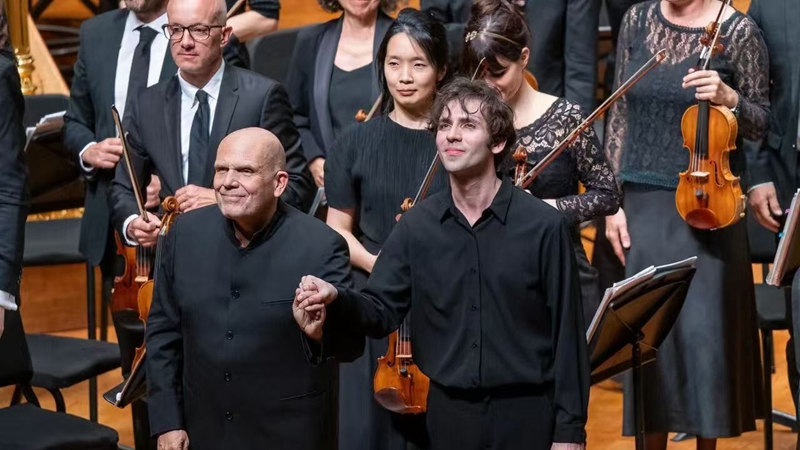
Amidst prolonged applause, Kantorow gave an encore - Liszt’s arrangement of Wagner’s Liebestod. This piece, adapted from the final aria in the musikdrama Tristan und Isolde, was presented along with its chromatic harmonies and long melodic lines, revealing the fusion of love and death. Kantorow interpreted the music in a reserved yet profound manner, condensing Wagner’s description of grand pathos into a piano monologue. This encore subtly echoed the second movement of Bruckner’s Symphony No. 7, a quiet yet powerful connection across the same evening, paying double homage to the same musical giant and leaving a deeply memorable highlight on the concert.
In the second half, the orchestra played Bruckner’s Symphony No. 7 under Jaap van Zweden’s baton. This is the most widely known work by the composer and a landmark of his mature musical language. Jaap van Zweden has a clear grasp of the work’s grand spatial structure. The first movement began with low-pitched melodies of the cello and horn. As musical sounds were built up layer by layer, the ethereal timbre of the woodwinds and soft tone of the strings eventually converged into an ever-rising theme, revealing a slow yet steadfast “tendency” hidden in Bruckner’s music. The second movement, which is the emotional core of the entire work, is characterised throughout by a strong sense of introspection. There appeared melodies of the Wagner tuba, making the music sound as if there were a solemn ceremony under way. The string music spread out in abundance, vividly revealing Bruckner’s remembrance and reverence for Wagner. The third movement features passages with the element of Austrian folk dance, infusing the grand framework with a touch of daily vitality. The finale, through accumulating motifs and harmony progression, leads the music step by step toward the symphony's ultimate climax.
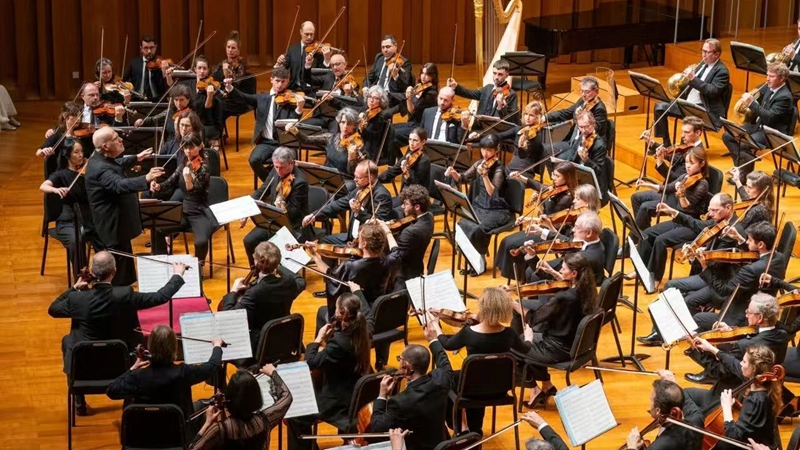
Notably, the Orchestre Philharmonique de Radio France, a top-six finalist for Gramophone's "Orchestra of the Year" in 2024, has also made two visits to the NCPA, in 2013 and 2017. As one of France’s most representative symphony orchestras, it possesses both the refined timbre of French music and the structural weight required for German-Austrian works.. At the concert, the orchestra achieved a balance in its clear, undemonstrative rendition of the long melodic lines and harmonies in Bruckner’s symphony, showcasing its perfect mastery of large-scale German-Austrian masterpieces.
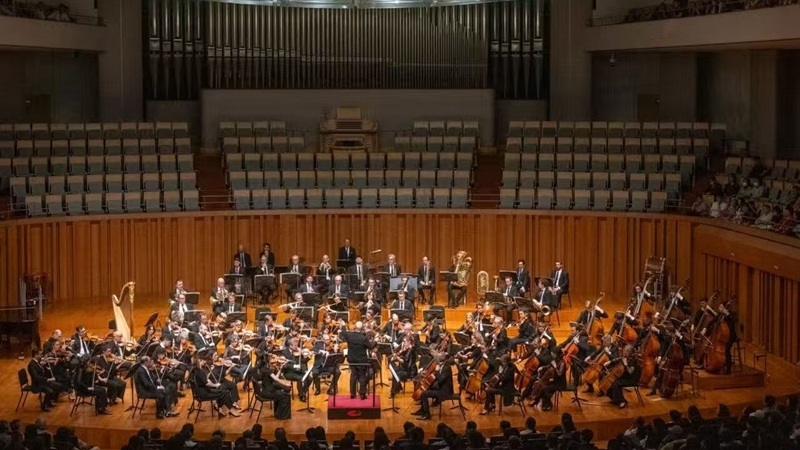
On May 19th, the same ensemble will give a concert themed “Rondes d'un faune”. They will perform French composers Debussy’s Prélude à l'après-midi d'un faune and La Mer and Ravel’s La Valse. The three French works, famous for their tone colours and images, will enable the Orchestre Philharmonique de Radio France to showcase its richly layered and colourful tonal tradition. Kantorow will round off the concert with Prokofiev’s Piano Concerto No. 3. We look forward to welcoming you.



 Repertoire
 Films
Films
 Videos
 Podcast
 China NCPA Orchestra
 China NCPA Chorus
 NCPA Resident Singers
 NCPA Drama Ensemble
 Buildings
Exhibitions
Buildings
Exhibitions
 Opening Hours
Services
Opening Hours
Services
 Western Cuisine
NCPA Café
Arts Gifts
Western Cuisine
NCPA Café
Arts Gifts