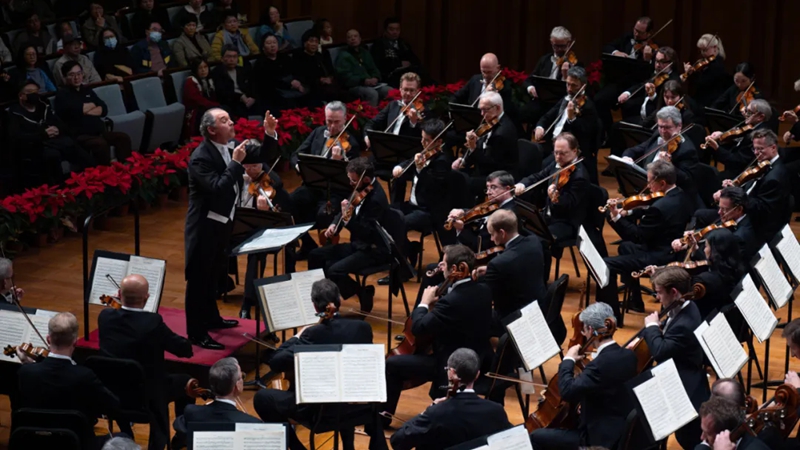
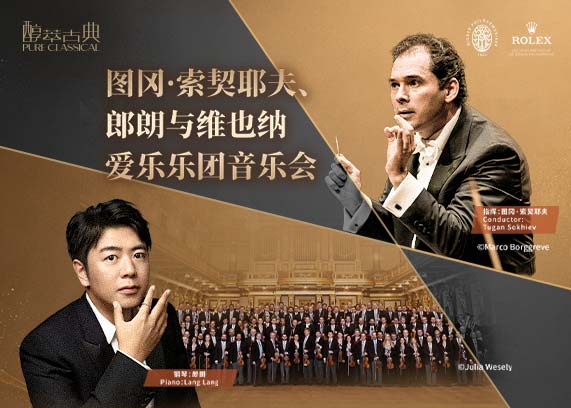
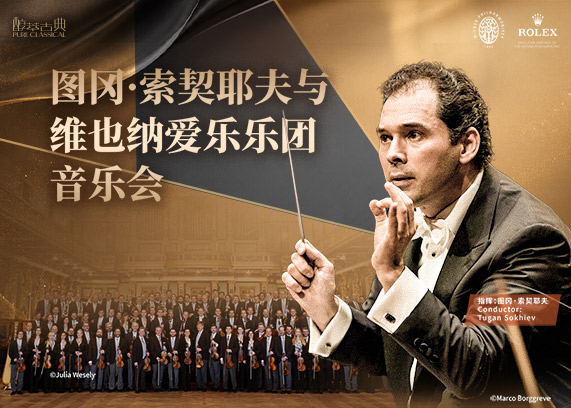
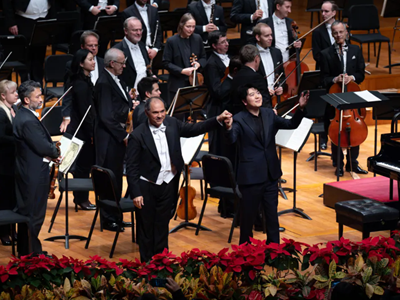
On the night of October 22nd, the Vienna Philharmonic Orchestra took the stage, bringing the NCPA Pure Classical 2026 to its climax. Under the leadership of Tugan Sokhiev, the orchestra joined the celebrated pianist Lang Lang in Beethoven's Piano Concerto No. 4 and Brahms' Symphony No. 2, two enduring works that date back centuries. Their golden melodies were rendered with finesse, once again immersing the Beijing audience in an epic classical atmosphere.
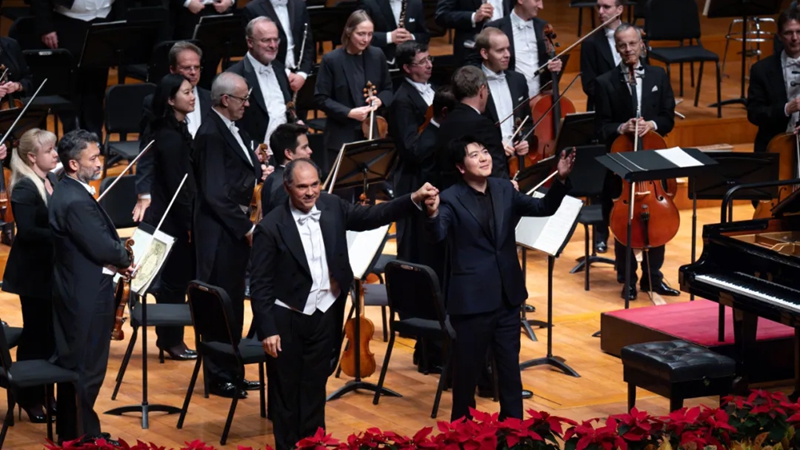
Sokhiev's relationship with the Vienna Philharmonic Orchestra spans 17 years. To him, this world-renowned orchestra is charmingly elegant and always retains its classical beauty. Like a majestic natural force in the world of music, it is an artistic partner that he treasures deeply. Their bond began with his stepping in on short notice, and they quickly built deep musical trust in each other, a rapport that has deepened over the years.
That night's concert opened with Beethoven's Piano Concerto No. 4, with Lang Lang as soloist. In this piece, Beethoven broke with the formal conventions of the Viennese school, forging an unprecedentedly close relationship between the piano and the orchestra, giving the genre an entirely new shape. The piano introduced the first theme, to which the orchestra responded gently which it then developed to the full. Lang Lang touched the keys with a clear, translucent sound and superb control, a touch that gave lucid yet powerful beauty to the phrasing, striking precisely at the core of Beethoven's music. Under Sokhiev's baton, the orchestra and the piano accompanied and conversed with each other, merging freely into a single sound world, giving this passionate concerto a reading both profound and philosophical.
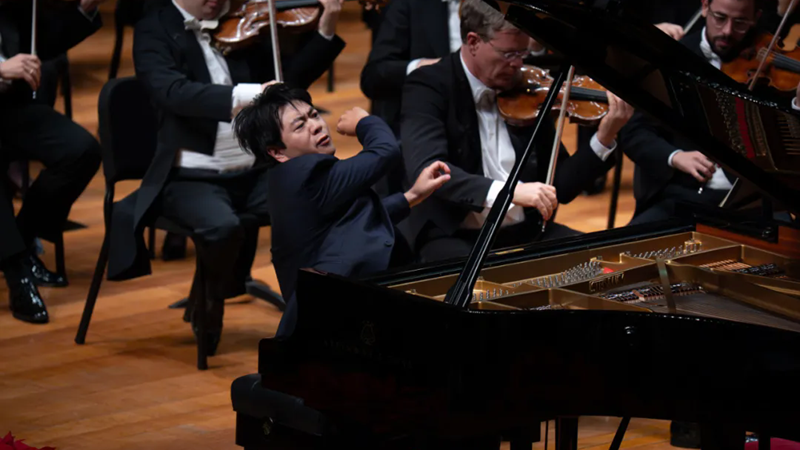
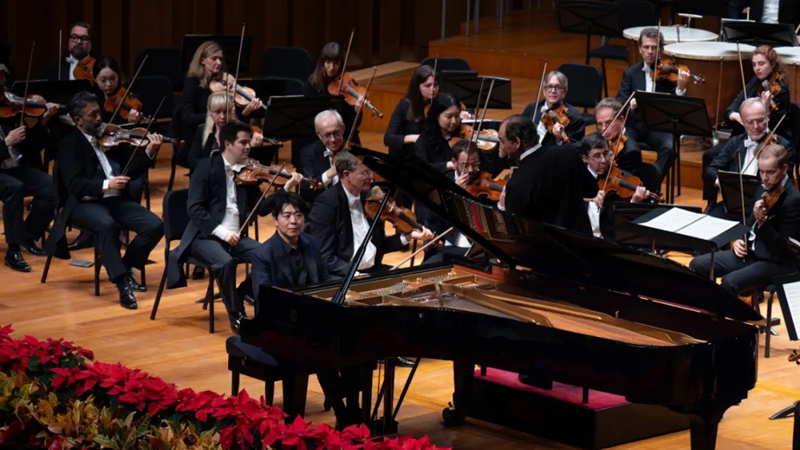
After the interval, the orchestra presented Brahms' Symphony No. 2, a piece in its repertoire, which the Vienna Philharmonic Orchestra premiered 150 years ago. Sokhiev, hailed as "a conductor with alchemical gifts", interpreted this classic with masterful control, bringing it to life in a new way. In the first movement, the horn sets a romantic, serene mood with its warm tone. The theme is repeatedly modulated and developed, driving the music's emotional momentum forward, gradually building in intensity. Sokhiev attends closely to the inner tension and structural logic of the movement, holding fast to a cohesive aesthetic even as the mood shifts frequently. The second movement, the most lyrical in the entire symphony, is melodious, tinged with melancholy. The warm tone of the cellos lends it a special charm.
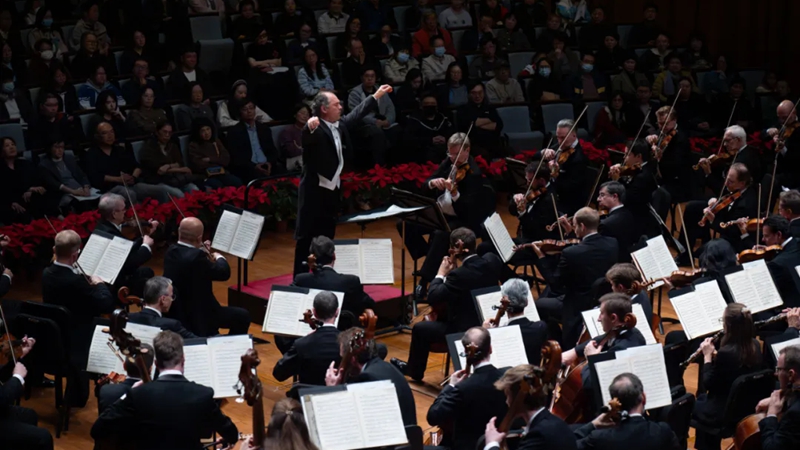
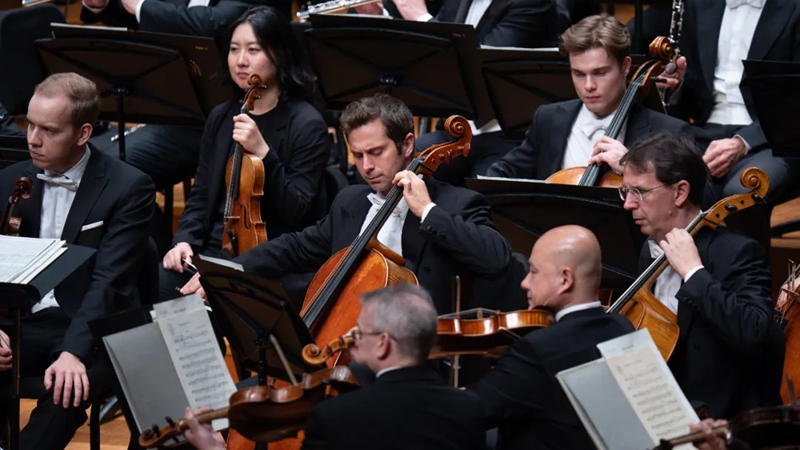
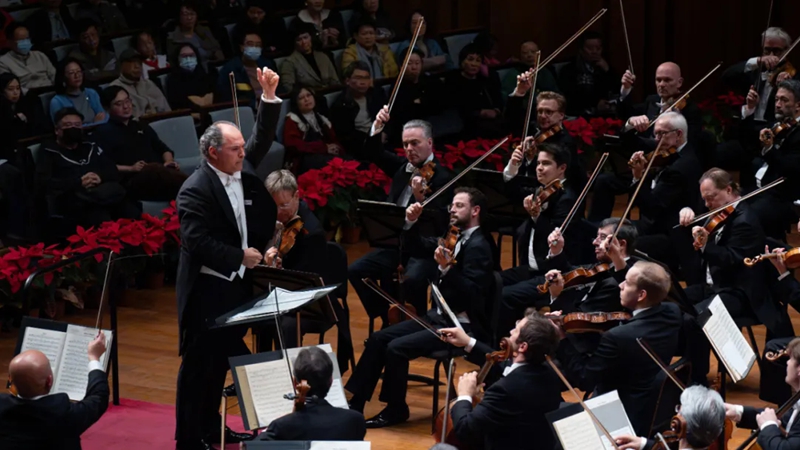
The third movement draws on both the minuet and the scherzo. Sokhiev preserves its features of dance music while bringing out the humour that is so distinctive of Brahms. The finale' s main theme is full of vitality, its dotted rhythm and rapid figuration driving the music forward, until it closes in a brilliant D-major chord that blazes. Under Sokhiev's baton, the orchestra gave each movement a distinct soundscape, like a vast panoramic scroll, offering the listeners a richly shifting musical experience.
On the night of October 23rd, Sokhiev will lead the Vienna Philharmonic Orchestra in Mozart's Symphony No. 40 and Tchaikovsky's Symphony No. 4, a Russian classic he conducts with particular distinction. Audiences can look forward to it.



 Repertoire
 Films
 Videos
 Podcast
 China NCPA Orchestra
 China NCPA Chorus
 NCPA Resident Singers
 NCPA Drama Ensemble
 Buildings
Exhibitions
 Opening Hours
Services
 Western Cuisine
NCPA Café
Arts Gifts