On the evening of November 14
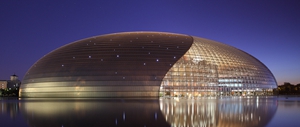
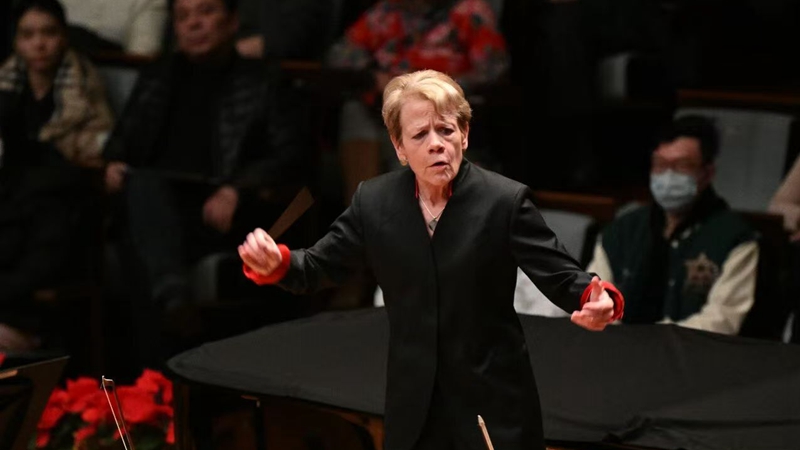
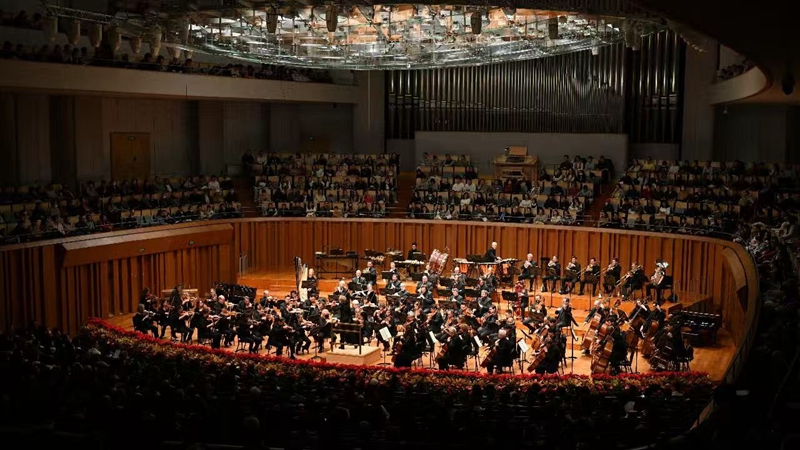
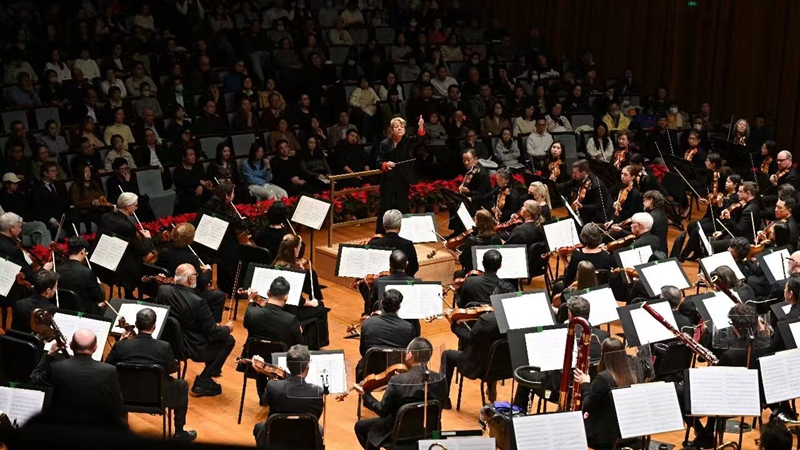
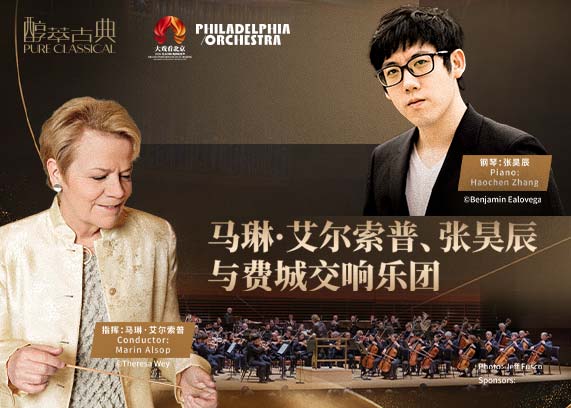
th, Marin Alsop led The Philadelphia Orchestra onto the NCPA stage, joined by pianist ZHANG Haochen. A programme stretching from German-Austrian grandeur to Russian romance and modernist avant-garde gave Beijing audiences a fresh hearing of the "Philadelphia Sound," rich and sumptuous.
One of today's foremost female conductors and the only conductor to hold a MacArthur Fellowship, widely known as the “genius grant,” Marin Alsop has been described by
The New York Times as “a formidable musician and a powerful communicator” and “a conductor with a vision.” Now in her second season as Principal Guest Conductor of The Philadelphia Orchestra, a relationship begun in 1990, she brings acute structural command and vivid dramatic instinct to a boldly wide-ranging programme in Beijing.
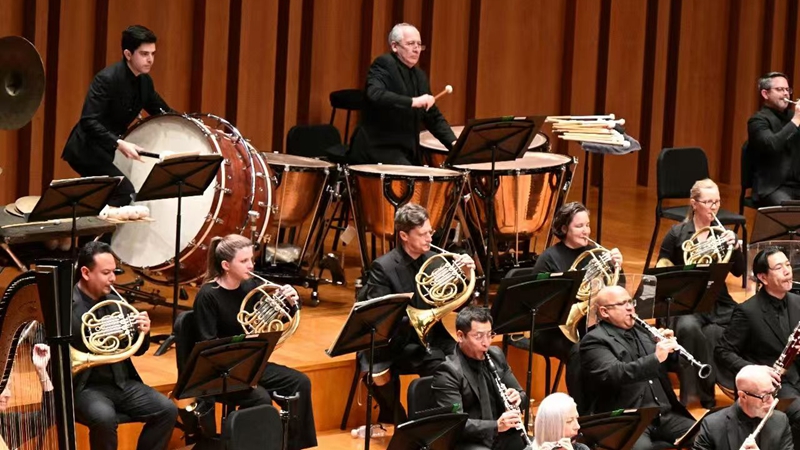
Richard Strauss’s Don Juan opened the evening, a tone poem that put the full might of The Philadelphia Orchestra’s brass on display. Alsop drew out Strauss’s portrait of Don Juan layer by layer: proud, unruly, and racing toward his own undoing. Strings kept their lines clean-edged and sharply drawn. In the glittering climaxes, the brass cut through with piercing force, and the dramatic tension never let up.
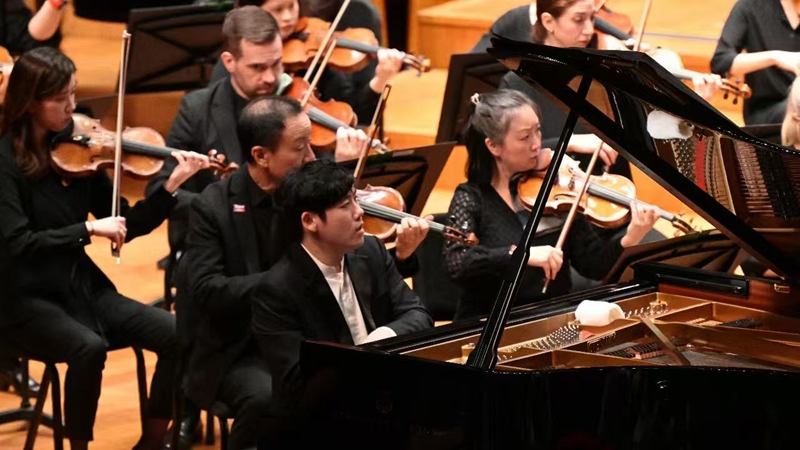
Next, ZHANG Haochen took the stage in Rachmaninoff’s
Rhapsody on a Theme of Paganini, Op. 43. The first Asian pianist to win gold at the Van Cliburn International Piano Competition, he is known for an extraordinary imagination and a profound musical sensibility;
Gramophone has praised his “kaleidoscopic range of tone.” In this performance, each variation stood clearly apart—his touch light and exact, his reading quietly philosophical. In the beloved
Variation XVIII, his tone sang with aching lyricism, seamlessly entwined with the strings, and Russian melancholy and romance poured out in full. In the virtuosic passages, he revealed remarkable control and a clear, pearly touch. Alsop, in the accompaniment, left the soloist ample air, then lifted the tuttis with pinpoint control. At the intermission, the audience responded with warm, sustained applause. ZHANG answered with an encore, Brahms's Intermezzo in E-flat Major, Op. 117 No. 1, a quiet gesture of thanks.
After the interval came Samuel Barber’s Symphony No. 1 in One Movement, Op. 9. Completed in 1936, the work was later revised, its scherzo rewritten outright. In 1944, Bruno Walter and The Philadelphia Orchestra gave the revised version its premiere. In this performance, Alsop and the ensemble answered with a reading of real warmth—silken surfaces, long lines allowed to breathe, late-Romantic feeling and modernist architecture held in deft balance.
The evening reached its height with Stravinsky’s
Firebird Suite. Few orchestras are as closely bound to
The Firebird as the Philadelphians: as early as 1924, the legendary Leopold Stokowski led them in the first recordings of excerpts from the
Firebird Suite (1919 Version), and music directors from Ormandy onward have returned to it time and again. A century on, the score is woven into the orchestra’s very DNA. On this evening, the mysterious
Introduction set the tone. Alsop took the orchestra through Stravinsky’s intricate rhythms and melodies with razor-sharp precision, drawing listeners into an enchanted realm: flute and clarinet leaping lithely in
The Firebird and Its Dance and the
Firebird Variation, tracing the bird’s flickering, radiant form; then, in
The Princesses’ Round, an oboe’s plaintive line riding softly cushioned strings, all tenderness and grace. Then came the
Infernal Dance of King Kashchei, with ferocious energy and unwavering rhythmic control—irregular metres, savage brass, rampaging percussion, all colliding into a suffocating wall of tension. A solo horn breathed the hushed
Berceuse, and the
Finale’s solemn fanfares rose, and the ensemble crowned the Firebird’s rebirth in a blazing, full-throated tutti that brought the house down.



 Repertoire
 Films
 Videos
 Podcast
 China NCPA Orchestra
 China NCPA Chorus
 NCPA Resident Singers
 NCPA Drama Ensemble
 Buildings
Exhibitions
 Opening Hours
Services
 Western Cuisine
NCPA Café
Arts Gifts