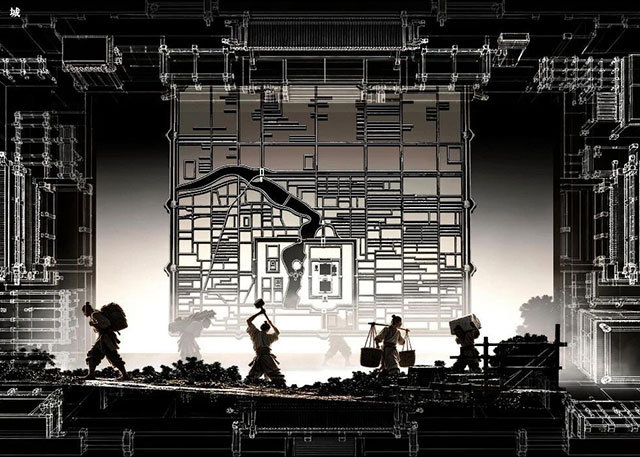
Act II: The Loyalist
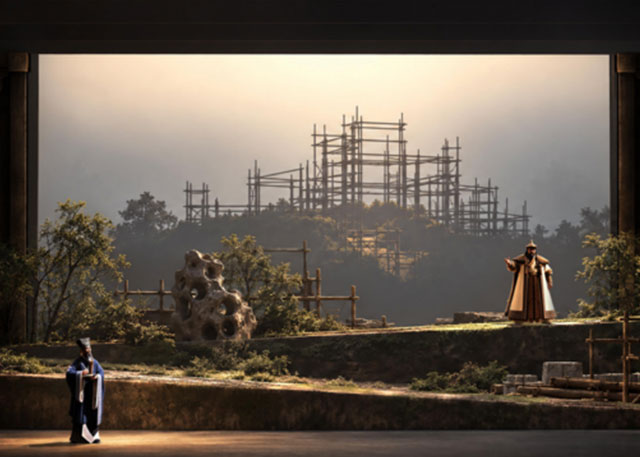
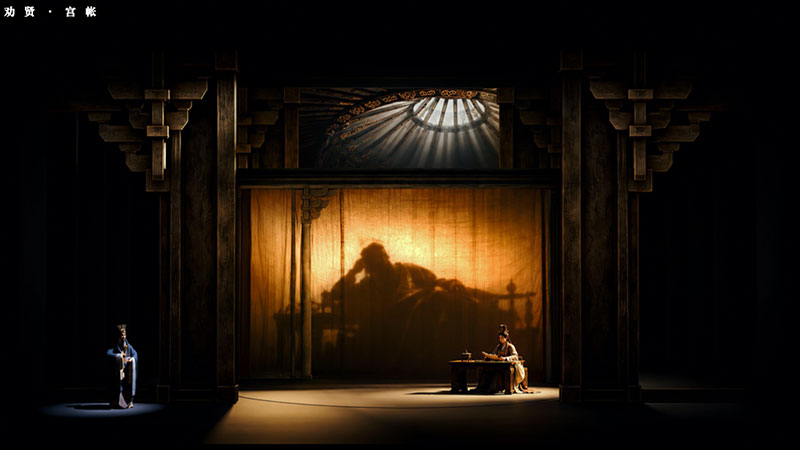
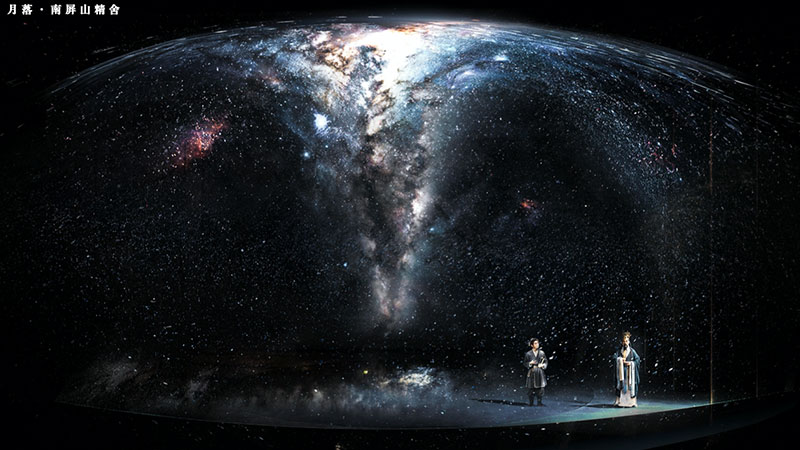
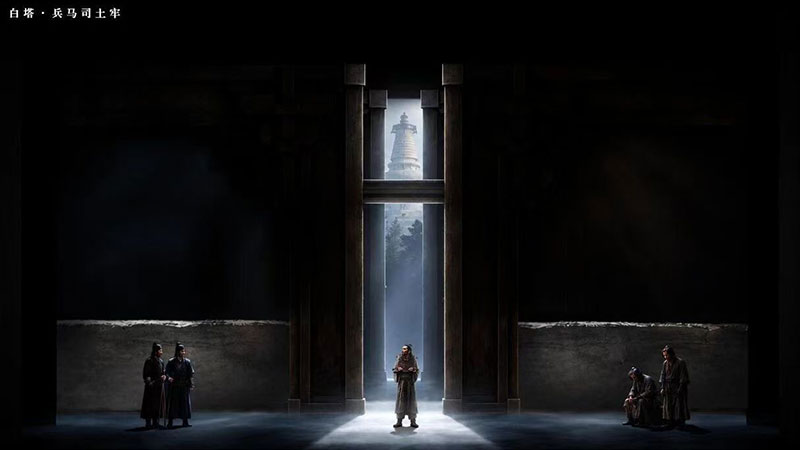
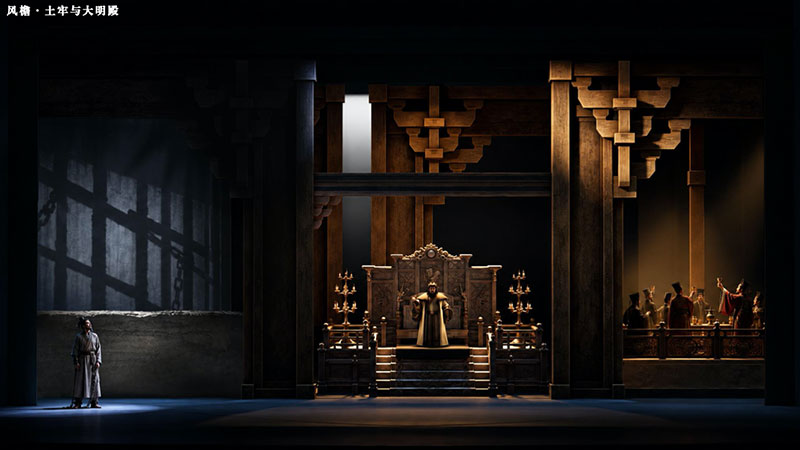
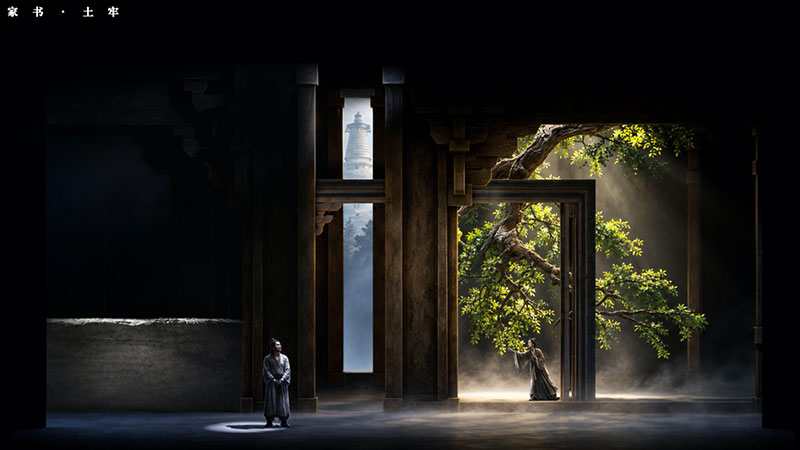
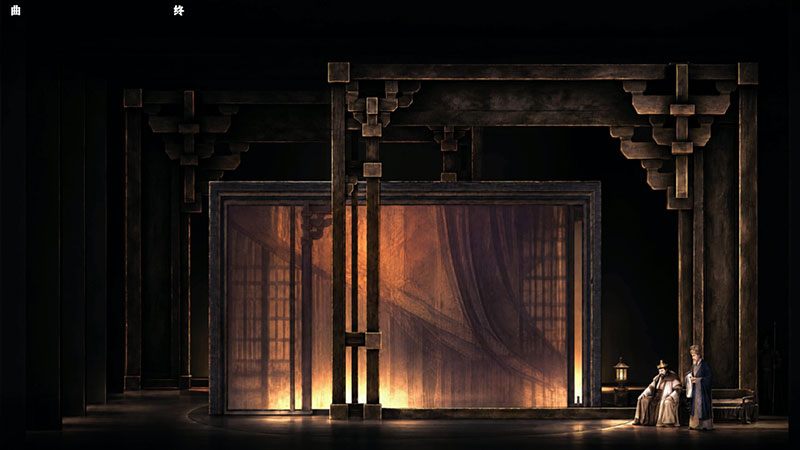
Centred on WEN Tianxiang, this act recounts the three and a half arduous years he spent imprisoned in Dadu of the Yuan Dynasty. In an underground cell beneath the White Pagoda, he stood like a jujube tree whose branches bowed southward in homage to his homeland. Those who sought to persuade him to surrender each struck at the very heart of his convictions: from the subtle appeals of LIU Mengyan and the tearful pleas of Emperor GONG of the Song Dynasty, to the agonising separation from his younger sister Yisun and Kublai Khan’s personal summons. Yet his resolve remained unshaken. He left behind Song of Righteousness, a poem celebrated through the ages, before meeting his death facing south at Chaishikou.
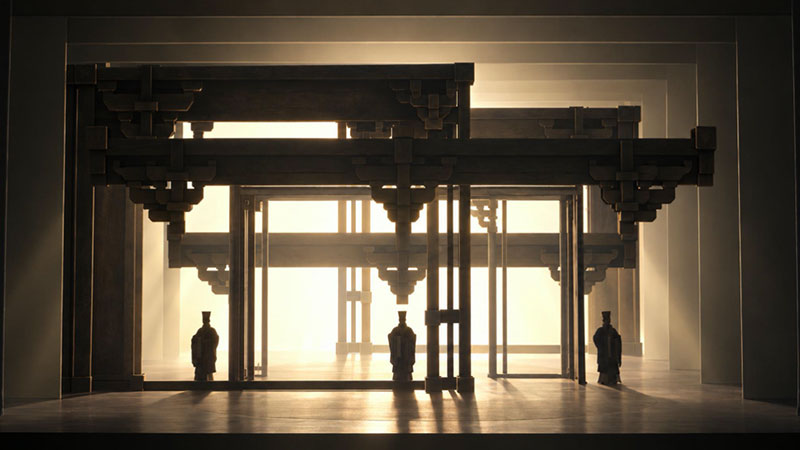
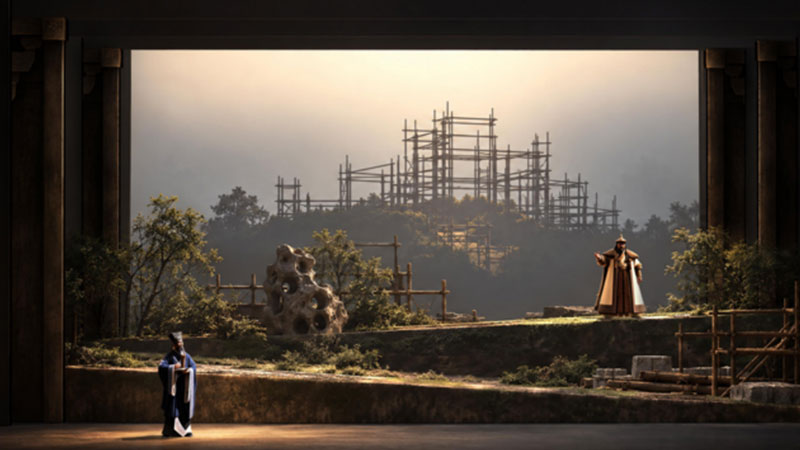
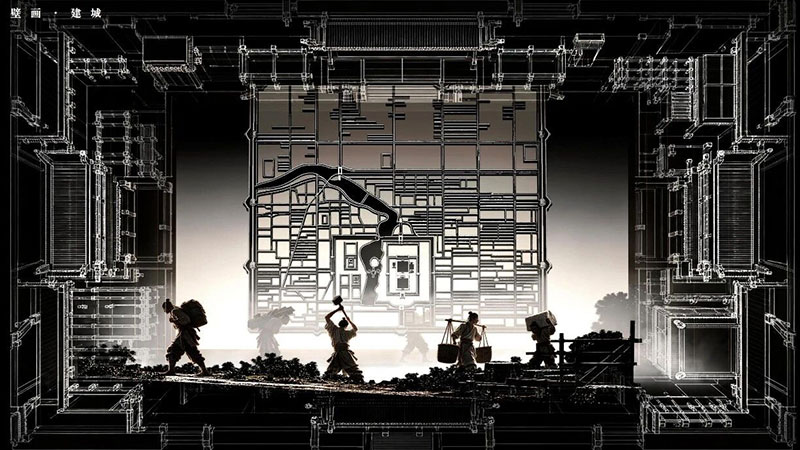
Those three and a half years were both the minutes and seconds in which a city was built, brick by brick, and the days and nights in which one man steadfastly refused to yield his principles. His breath mingled with the bricks and tiles of the emerging capital, yet it was through the sacrifice of his own life that he left an indelible inscription upon the city and its people: loyalty, integrity and righteousness.
Act III: Songs of the Yuan Dynasty
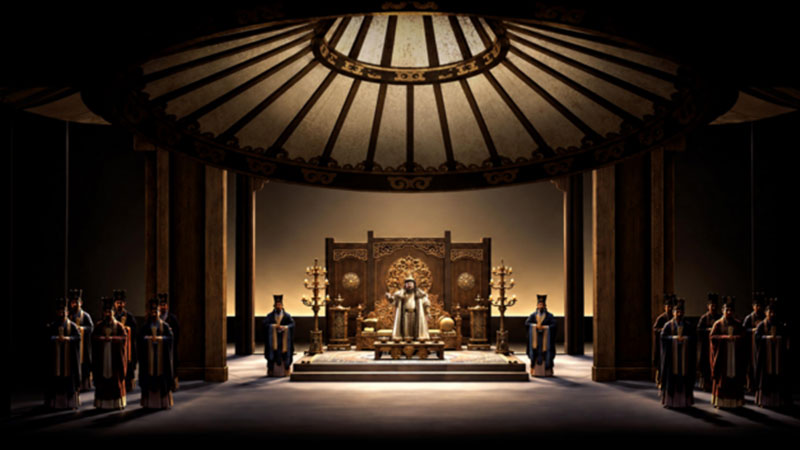
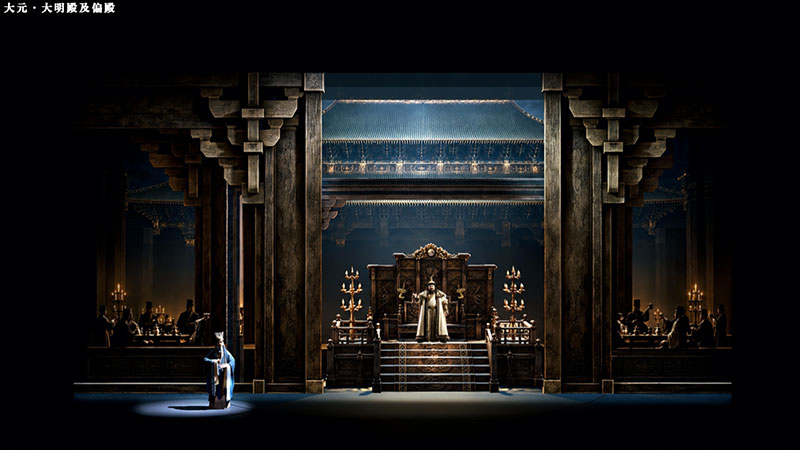
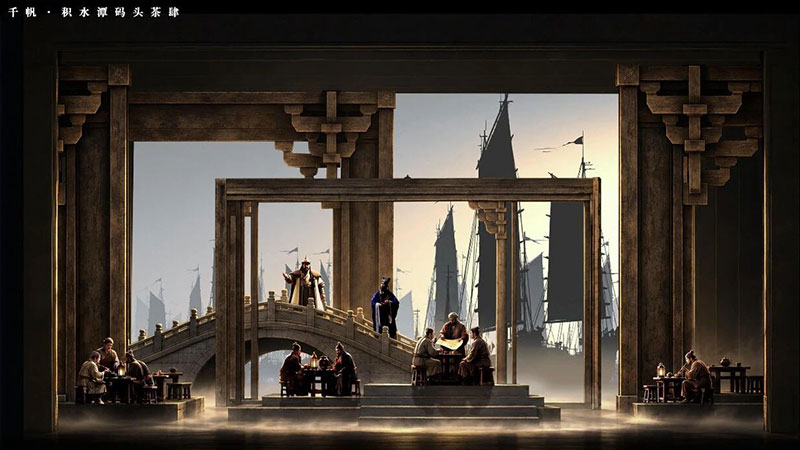
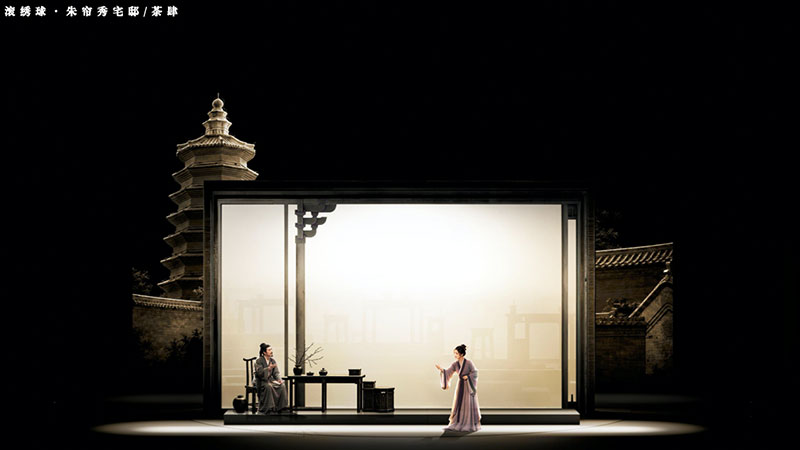
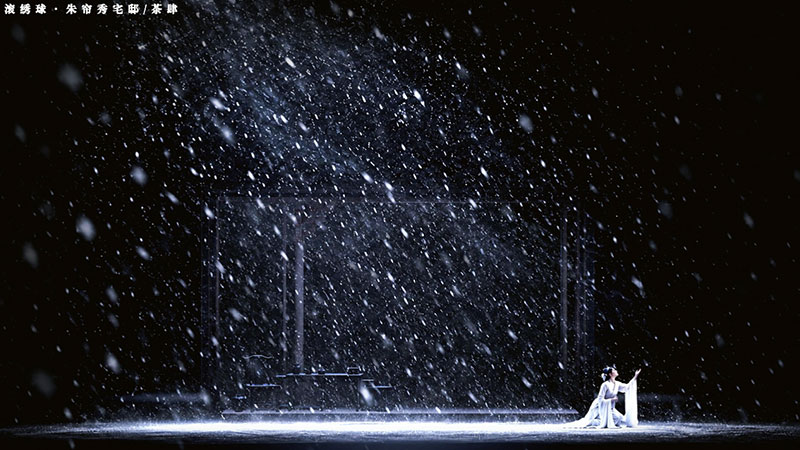
Centred on GUAN Hanqing, with the final scenes framed by Kublai Khan’s reflections in his later years, this act captures the vibrant everyday life of Dadu after its completion, as well as the lingering echoes of sanqu—a popular form of lyric poetry set to music. Though GUAN Hanqing held neither office nor noble title, he wielded his pen like a weapon to uphold the world around him. Zhulianxiu, a woman of remarkable spirit, raised her voice in song like a drumbeat resonating through society. Together, their art helped establish sanqu as another enduring monument to the spirit of Dadu of the Yuan Dynasty.
The story unfolds from the birth of The Injustice to Dou E in Zhuanta Hutong in 1291, to the sight of countless sails crowding Jishuitan and the opening of the Tonghui River, linking the north and south, in 1293; from leisurely conversations among scholars in teahouses to Kublai Khan’s reminiscences within Zitan Hall. In the end, Kublai Khan comes to understand that this is the great capital of all the people.
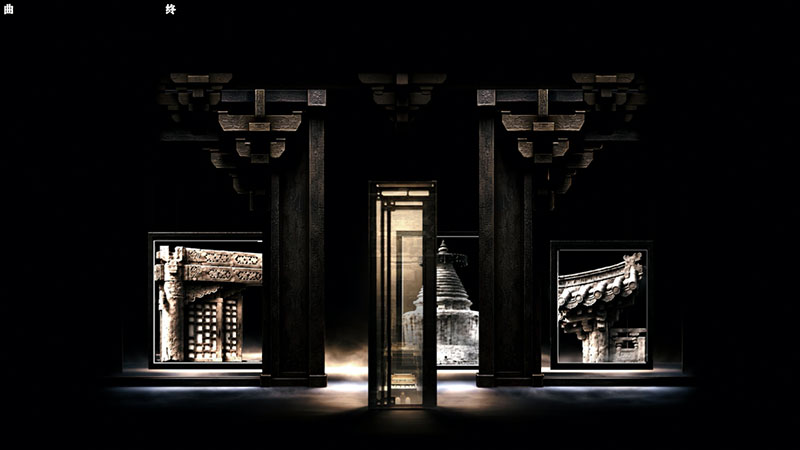
The city stands firm, the river flows freely, the music ends, and the crowds disperse—but its melodies continue to resonate through the hutongs, waterways and hearts of the people of Dadu.



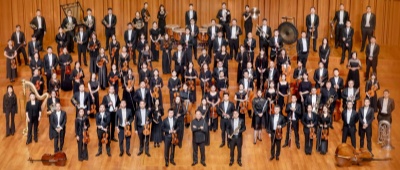 China NCPA Orchestra
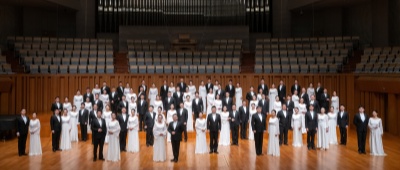 China NCPA Chorus
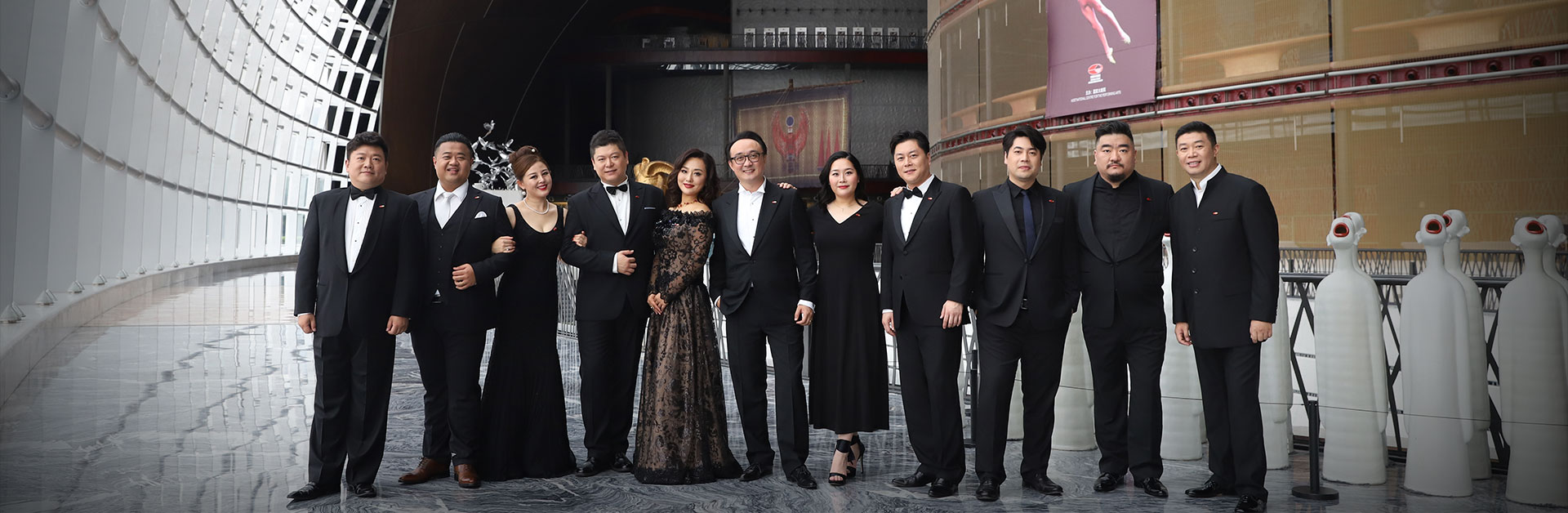 NCPA Resident Singers
 NCPA Drama Ensemble
 Buildings
Exhibitions
 Opening Hours
Services
 Western Cuisine
NCPA Café
Arts Gifts
 Repertoire
 Videos
 Podcast





 no picture.jpg
 picture3.jpg
 31.jpg
 32.jpg
 33.jpg
 34.jpg
 35.jpg
 36.jpg
 37.jpg
 38.jpg
 39.jpg
 310.jpg
 311.jpg
 312.jpg
 313.jpg
 314.jpg