With great cultural awareness and a strong sense of historical responsibility, the NCPA has spent years conceiving and producing a “trilogy of dramas about the history of Beijing as a capital”. This is done in order to seek the cultural root and spiritual source of Beijing, an ancient capital with a history of over a thousand years. The trilogy begins with Zhongdu of the Jin Dynasty, followed by Dadu of the Yuan Dynasty, ending with The Forbidden City. In the form of stage art, it brings alive the great days in history when Beijing grew fast from an important city in North China into the capital of a highly unified country, profoundly revealing why the Chinese civilisation is diversified and indefatigable.
As the first in the trilogy, the drama commission
Zhongdu of the Jin Dynasty will, unprecedentedly, present a long-buried yet vital historical turn - the relocation of the capital of the Jin Dynasty. That is not merely a simple relocation of the capital, but something essential for China in its development from a “pluralistic” country, one based on “blood ties”, into a “unified” nation, one based on “culture”. It vividly shows how the Chinese nation gave up staying in a state of “disunity” and began to build a national community “consciously” in their early days. This indicates that the Chinese civilisation is greatly inclusive and cohesive.
An artistic rerun of such a historical period in this drama helps to recall the days when Beijing was established as a capital. It also helps to explore why China could inevitably develop into a unified multi-ethnic country in history. The history of Beijing as a capital is also a vivid epitome of different ethnic groups mingling with one another and jointly creating the Chinese culture. It provides rich historical nutrition and tremendous spiritual strength for us today in consciously building a community for the Chinese nation.
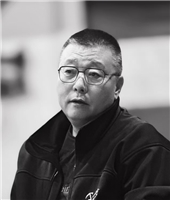
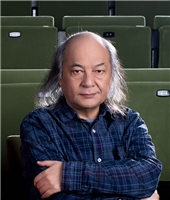
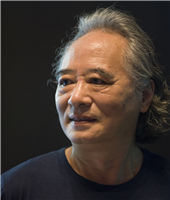
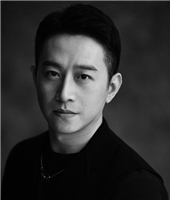
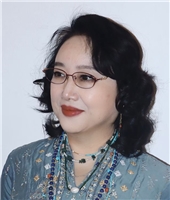
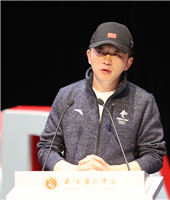
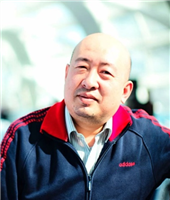
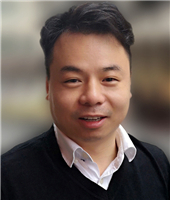
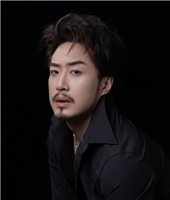
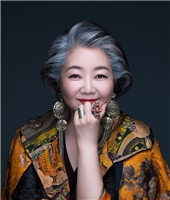
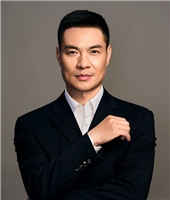
The drama boasts a creative team of outstanding artists, including the set designer LIU Xinglin, lighting designer XING Xin, costume designer CUI Xiaodong, makeup & hair style designer SUN Xiaohong, composer ZHAO Bo and sound designer HE Biao, as well as two honoured artists - XIONG Zhaozheng, who has won the Mao Dun Literary Prize for his historical novel
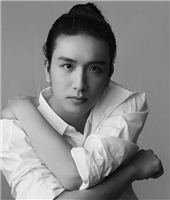
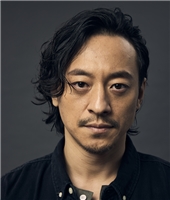
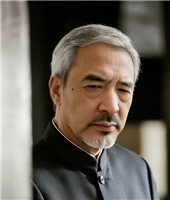
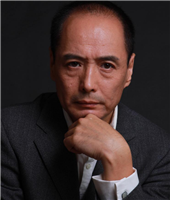
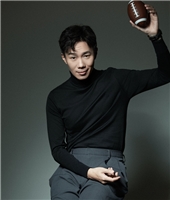
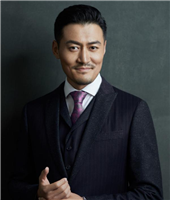
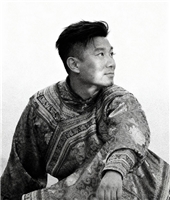
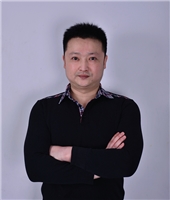
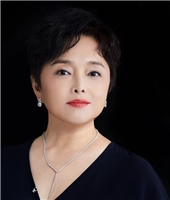
The Jin Dynasty, and WANG Rui, a director who won the Award for Best Contributor to Art at the Tokyo International Film Festival. With their joint efforts, the grand story of capital founding will unfold in a magnificent stage setting. The audience will therefore “see” this very period of history in their artistic creation. The drama features an A-list cast including ZU Yongchen, Sarina, LI Junfeng, YANG Sen, HUANG Yizi, ZHANG Xin, GAN Yu, QU Ning, SHE Nanan, LAN Lan and NCPA Drama Ensemble members YANG Qi, GUO Shuojie and SUN Lishi. They will spare no effort to present spectacular scenes in which Beijing is constructed as a capital, as it did over 870 years ago.
Credits
Playwright: XIONG Zhaozheng
Director: WANG Rui
Set Designer: LIU Xinglin
Lighting Designer: XING Xin
Costume Designer: CUI Xiaodong
Makeup & Hair Style Designer: SUN Xiaohong
Composer: ZHAO Bo
Movement Designer: HU Yang
Sound Designer: HE Biao
Props Designer: WANG Weijun
Deputy Director: SUN Chao
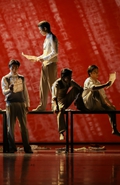
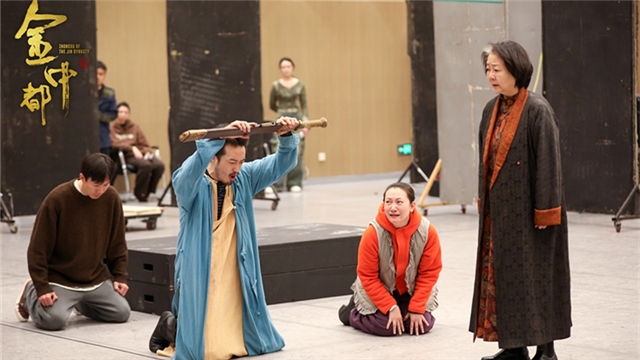
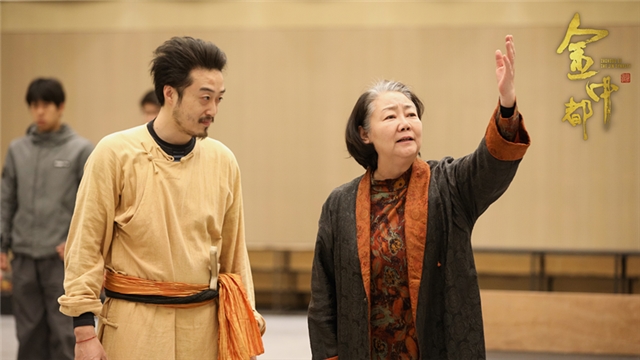
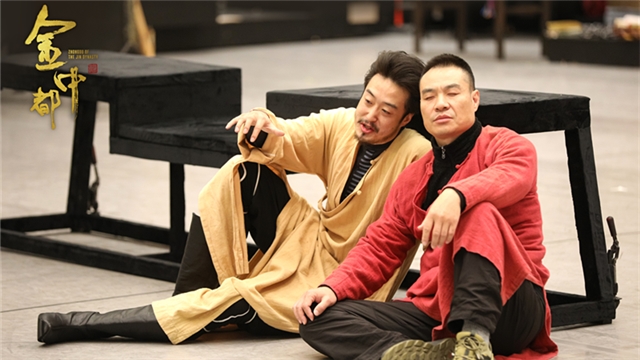
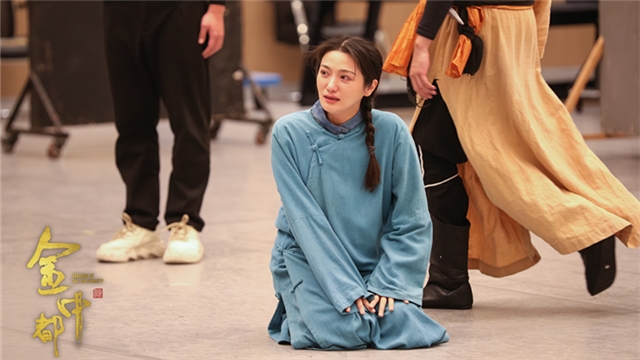
Zhongdu of the Jin Dynasty in rehearsal
WANYAN Liang: ZU Yongchen
Wulu: Sarina
Alubu: LI Junfeng
WANYAN Xiu: YANG Sen
Talan: HUANG Yizi
WANYAN Dan / ZHANG Jinyan: ZHANG Xin
ZHANG Hao: GAN Yu
PU Jia: OU Ning
Wulinda: YANG Qi☆
SU Baoheng: SUN Lishi☆
DA Xingguo: LI Runcheng
WANYAN Yuanyi: ZHANG Chunyu
Lady TUSHAN: SHE Nannan
Lady DA: LAN Lan
TUSHAN Zhen: GUO Shuojie☆
☆ NCPA Drama Ensemble Member
Shangjing of the Jin Dynasty seems so bloody on the night when WANYAN Liang kills the emperor and ascends to the throne. Facing the old capital, where WANYAN Dan used to live a life of dreams, and the imperial clan, which sticks to the ancestral traditions, WANYAN Liang makes a great wish that he will “stand atop the highest peak of Wu Hill”. He vows to broaden the territory of the Jin Dynasty. But there are many obstacles to capital relocation. His aunt, Wulu, lingers at the Ancestral Mausoleum, threatening to take her own life. His bosom friend, Alubu, would rather die than submit in the prison. His faithful consort, Talan, unable to meet all moral requirements, chooses to commit suicide. Beset with such a bloody collision between his family affection and personal ideal, WANYAN Liang eventually resolves to burn the old capital and build Beijing into a new capital.
When there are imperial palaces standing tall in Zhongdu of the Jin Dynasty on the North China Plain, the Jurchen Ethnic Group has taken a key step in legitimising their rule over the Central Plains under the leadership of WANYAN Liang. Ambitious to “unify the whole country”, he perishes on his southern expedition. WANYAN Liang is denounced as a tyrant in his successor’s court, but the new capital built by him already becomes an immortal monument - “Beijing has been the centre of the country since it was built as a capital. From then on, the Great Wall is no longer a land border, whereas the Chinese territory has thus taken on a new look.”
Zhongdu of the Jin Dynasty in rehearsal
*Please purchase tickets through authorized channels to avoid counterfeiting. Before completing your purchase, please verify the performance date, time, venue, and seat number carefully. Performance tickets are time-sensitive and limited in availability. Once a transaction has been completed, tickets are non-exchangeable, non-refundable and cannot be reissued if lost. Please double-check all ticketing details and securely retain your physical ticket or electronic order. If you are unable to attend due to personal reasons, please make your own arrangements regarding the use of your tickets. We appreciate your understanding as any inconvenience caused.
*The cast, programme, or other performance details are subject to change and shall be based on the live performance. In the event of major adjustments - such as changes to the performance date or lead cast - please refer to the official announcements issued by the NCPA and follow the relevant procedures as instructed.
*The NCPA opens 90 minutes before performances, and 60 minutes before art education lectures and similar events. Auditorium entry begins 45 minutes before performances. For all performances and events, the Northern entrance serves as the sole public entrance. Please ensure that ticket scanning and security screening are completed prior to entry, and allow sufficient time to avoid delays.
*Tickets must be retained in their original, intact condition. Admission will be denied for tickets lacking a stub, or bearing any alterations, obscured information, or defacement. Each ticket is valid for a single entry on the date of the performance. For certain performances, presentation of original valid identification documents is required. Admission will be granted only when the ticket information corresponds with the presented identification.
*Recommended admission height: 1.2 meters and above. Special provisions may apply to certain performances or events, as indicated on the corresponding ticketing page.
*All attendees are required to undergo security screening upon entry. Smoking and open flames are strictly prohibited within the NCPA premises. Prohibited items include, but not limited to, firearms and replicas, controlled knives, flammable or explosive substances, toxic or hazardous materials, corrosive substances, and radioactive materials. Any prohibited items discovered will be handed over to public security authorities.
*For safety and hygiene reasons, the NCPA does not provide storage services for food, beverages, or similar items. The following items are not permitted inside the NCPA: food and drinks, flags & banners, electronic cigarettes, power banks exceeding 20000mAh, flowers, recording or photography equipment, and oversized luggage.
*Attendees are requested to address appropriately. Admissions will be denied to individuals who are improperly attired or under the influence of alcohol.
*If you are late, please wait quietly in the audience waiting area. Entry will be permitted under the guidance of ushers during appropriate intermissions or between movements, and you are requested to take the nearest available seat with minimal disturbance. For concerts consisting of a single piece - either for the entire performance or a complete half - late arrivals and audience who leave midway will not be admitted.
*All attendees are requested to observe proper performance etiquette. Please keep quiet and remain seated throughout the entire performance. Mobile phones should be turned off or set to silent mode, and calls should not be made in the auditorium. Photography, audio, or video recording of the performance is strictly prohibited without prior permission. The use of flashlights, including phone flashlights, is not allowed.
* After the performance, please exit the auditoriums in an orderly manner. Loitering is discouraged.



 Repertoire
 Films
Films
 Videos
 Podcast
 China NCPA Orchestra
 China NCPA Chorus
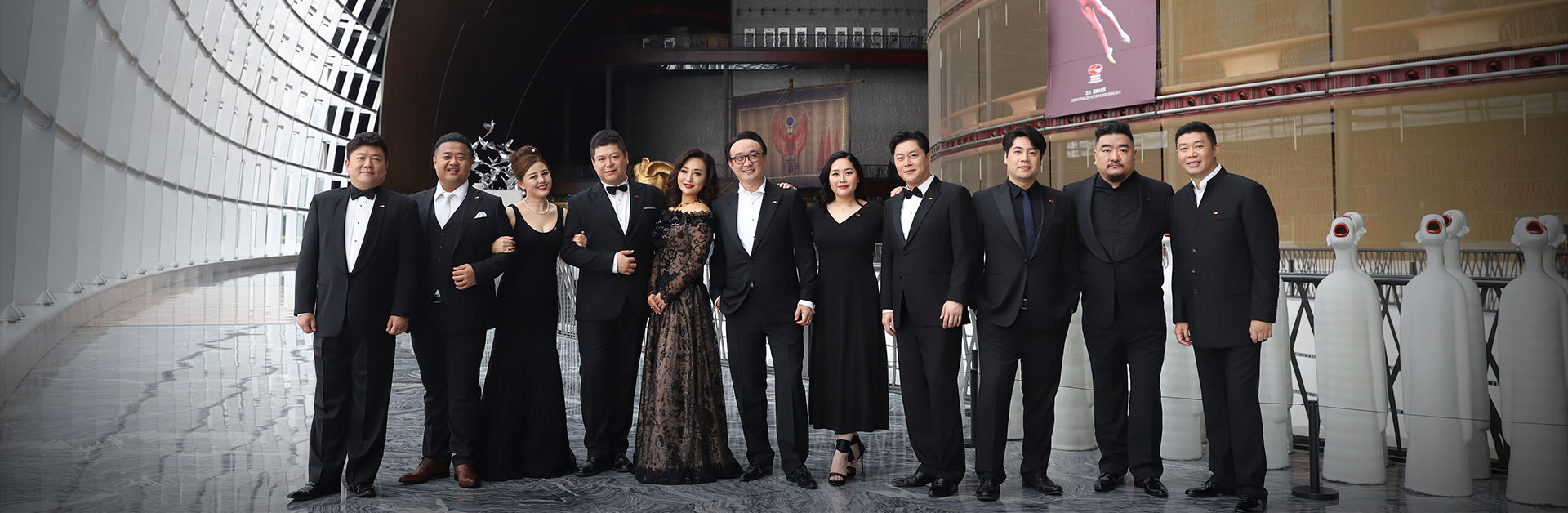 NCPA Resident Singers
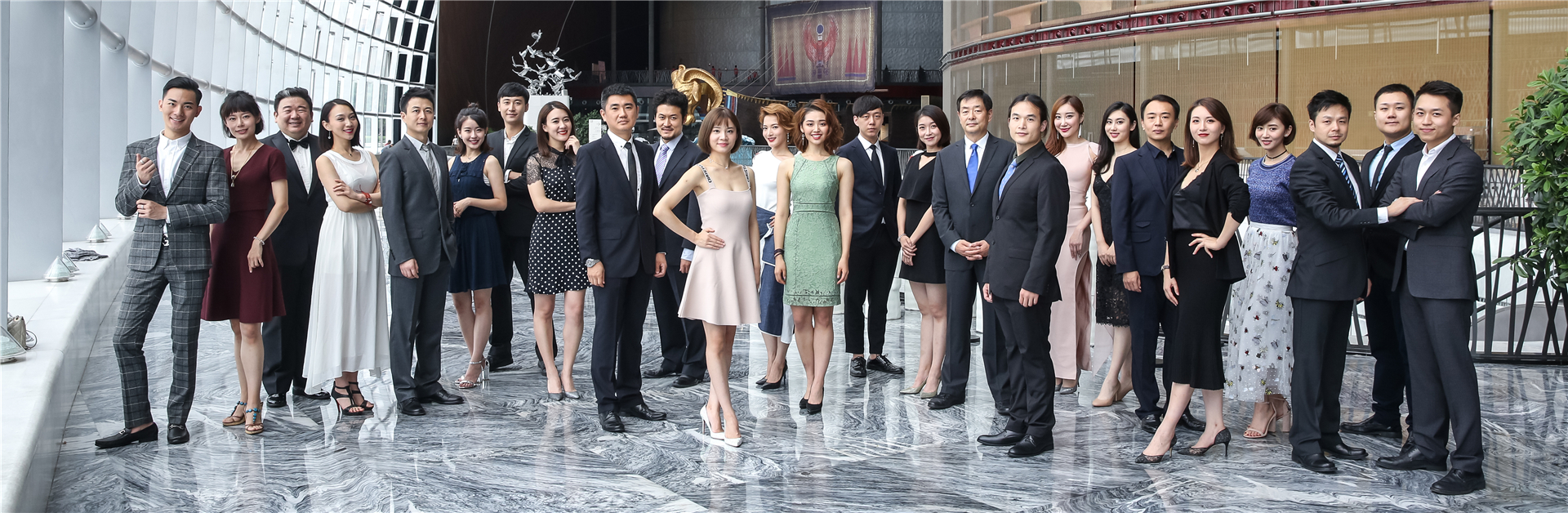 NCPA Drama Ensemble
 Buildings
Exhibitions
Buildings
Exhibitions
 Opening Hours
Services
Opening Hours
Services
 Western Cuisine
NCPA Café
Arts Gifts
Western Cuisine
NCPA Café
Arts Gifts



 This page provides performance information only.






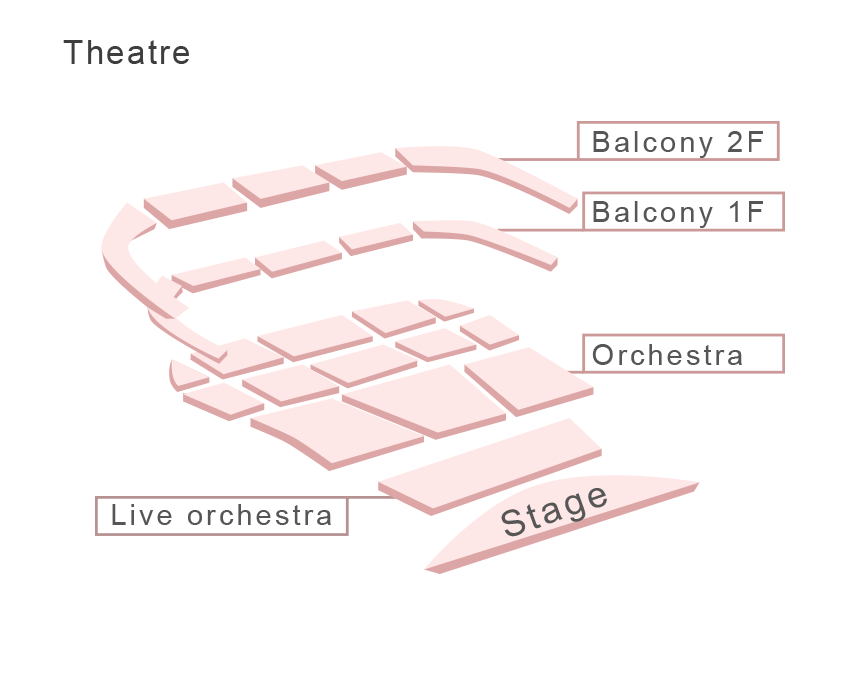 戏剧场
戏剧场
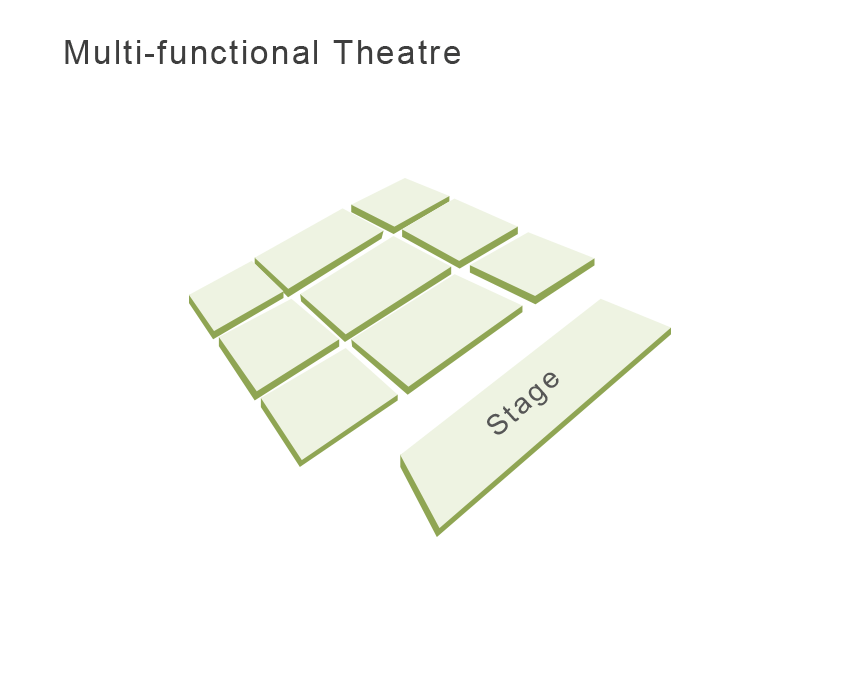 小剧场
小剧场
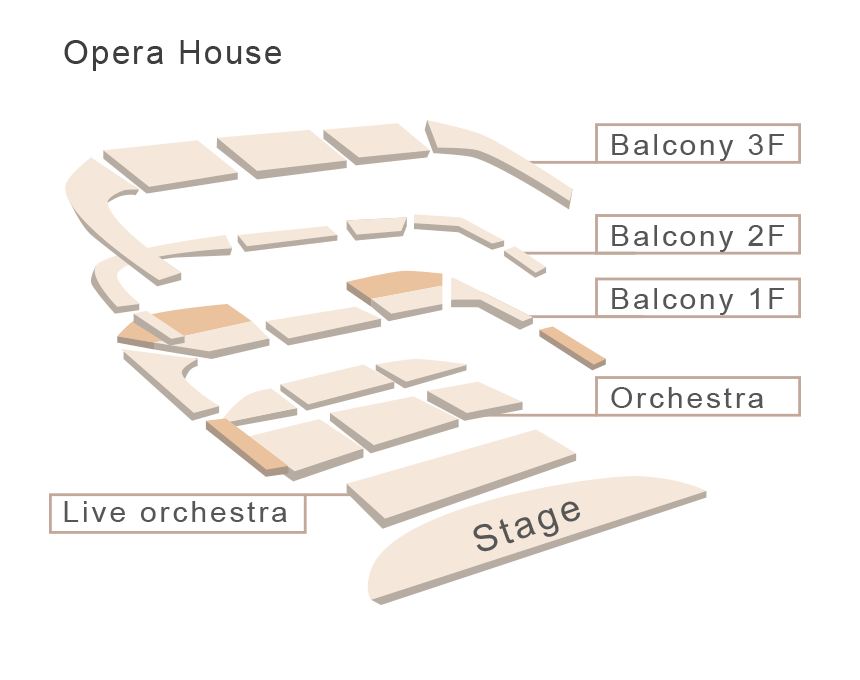 歌剧院
歌剧院
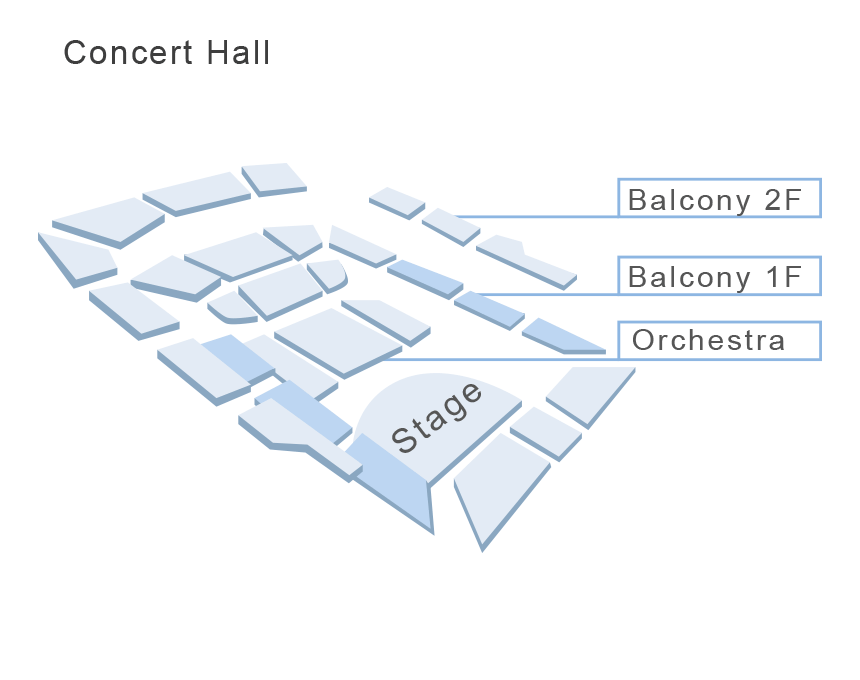 音乐厅
音乐厅