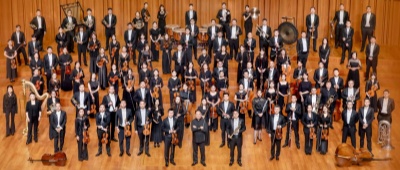
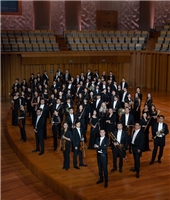
China NCPA Orchestra is the resident orchestra of the National Centre for the Performing Arts (NCPA), Beijing. Since its founding in 2010, the orchestra has fast established itself as one of the most adventurous and dynamic orchestras in the country and earned an international reputation through extensive performances abroad.
Numerous world-renowned artists have collaborated with the orchestra, including Lorin Maazel, Zubin Mehta, Valery Gergiev, Myung-Whun Chung, Christoph Eschenbach, Daniele Gatti, Fabio Luisi, Vladimir Ashkenazy, Leif Segerstam, Gunter Herbig, Shao-Chia Lu, ZHANG Xian, Rudolf Buchbinder, Stephen Kovacevich, Khatia Buniatishvili, Lang Lang, Yuja Wang, ZHANG Haochen, Víkingur Ólafsson, Kyung-Wha Chung, Vadim Repin, Siqing Lu, NING Feng, WANG Jian, Gautier Capucon, Alison Balsom, Sabine Meyer, Placido Domingo, Leo Nucci, Renee Fleming among many others. Lorin Maazel worked closely with the orchestra before his passing and praised the musicians for their “amazing professionalism and great passion in music”. Christoph Eschenbach also declared it as “one of the finest orchestras in Asia”.
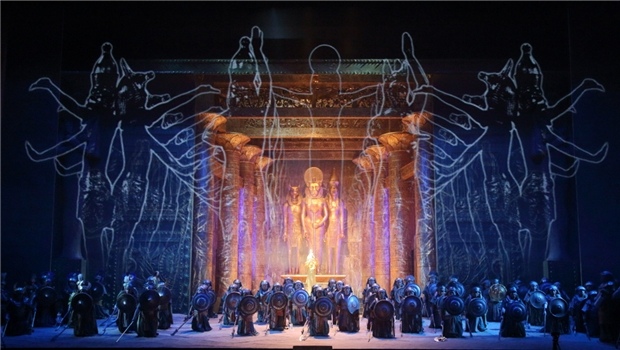
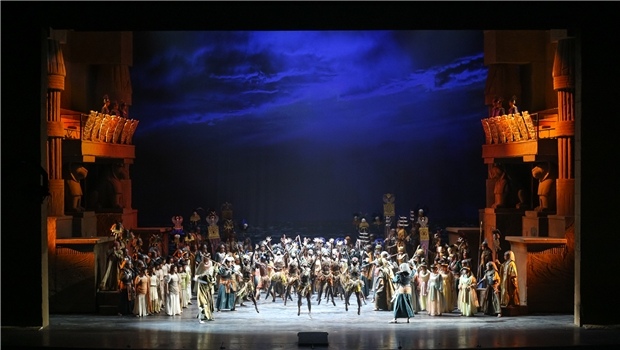
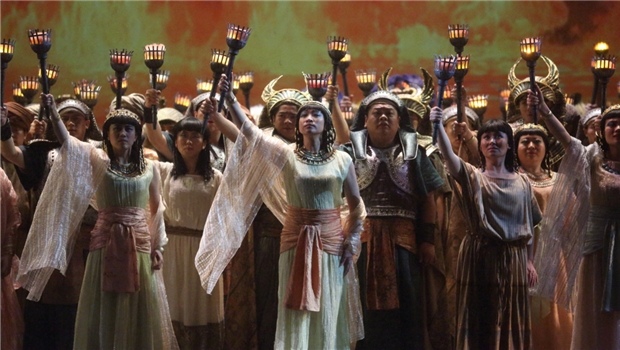
Over the years, the orchestra has gained critical acclaim for its artistic excellence in both concerts and operas. To date they have played in over 70 NCPA opera productions, including classical repertoires such as Das Rheingold, Tristan and Isolde, Die Meistersinger von Nürnberg, Aida, Otello, Nabucco, Tosca, Turandot, The Marriage of Figaro, Don Giovanni, Eugene Onegin, and newly commissioned works Rickshaw Boy, The Long March, Fang Zhimin, The Jinsha River, Visitors on the Snow Mountain and The Dawns Here Are Quiet. Their live recording of The Ring without Words with its creator, Lorin Maazel, was released on SONY Music worldwide, the only recording the great maestro ever made with an orchestra from China. In 2019, the orchestra’s recording of Beethoven's Symphony No. 9 was awarded "Best Orchestral Album" at the 2018 Chinese Audiophile Vinyl Award. In 2021, the NCPAO released Beethoven’s Egmont becoming the first Chinese orchestra to record this masterpiece. In celebration of the decade tenure of its Music Director LÜ Jia, the orchestra released a selection of live recordings conducted by LÜ Jia in 2022. 2024 sees the NCPAO release the recordings of Bruckner’s complete numbered symphonies.
The orchestra has consistently offered creative and diverse programmes through its concert season. As part of its continuous efforts to promote contemporary music, the orchestra presented the China Premieres of major works by John Adams, Toru Takemitsu et al. and gave the World Premieres of dozens of substantial new orchestral works commissioned from composers across the globe, including Qigang Chen, ZHAO Jiping, Michael Gordon, Kalevi Aho, HUANG Ruo, Bright Sheng, Bernd Richard Deutch, et al. It has also played a significant role in the NCPA's Young Composers Programme, providing a unique platform nurturing the next generation of composers in China.
Alongside its concert series, the orchestra has received widespread praise for its international appearances at the Kissingen Summer Music Festival and the Schleswig-Holstein Musik Festival and concerts in many cities in Germany, as well as cities in Sydney, Singapore, Seoul, Daegu, Abu Dhabi, Taipei and Macao. In 2014, the orchestra undertook its first North American tour and returned in 2017, where it performed at Carnegie Hall, Chicago Symphony Center, Davies Symphony Hall and other major venues in the US and Canada, under the baton of LÜ Jia. Musical America praised its “joyful confidence and youthful strength”. Concerto Net described it as “a polished, first rate ensemble”. In 2021, they appeared in "See Me: A Global Concert" along with world-wide artists, orchestras and choirs as part of the Opening Ceremony of the World Economic Forum’s Davos Agenda virtual event. In 2022, the orchestra recorded for the Opening Ceremony of the Beijing 2022 Winter Olympics, accompanying billions of viewers to witness the lighting of the Olympic flame. In April 2023, musicians from the orchestra visited South America performing joint concerts with Sao Paulo Symphony Orchestra in Brazil and Instituto Superior de Arte de Teatro Colon in Argentina.
In 2025, the orchestra, led by Myung-Whun Chung, completed its first multi-country European tour, performing at the Edinburgh International Festival, Santander International Festival, and Elbphilharmonie, receiving“immediate and unanimous (ovation)” (Bachtrack), and was hailed by the Hamburger Abendblatt as "cleanly and richly sonorous...The ambition of this orchestra was unmistakably great".
With its commitment to educational and outreach activities, the orchestra has presented a series of Weekend Matinee Concerts at its home venue, providing local audience specially selected programmes and accessible ticket prices. The orchestra also frequently initiates wide-reaching educational projects in association with educational institutions across the city. In 2020, the orchestra launched an online concert series drawing an average audience of 30 million viewers. In 2024, the Beijing Youth Orchestra, operated by the NCPAO, participated in World Orchestra Week and made its international debut at Carnegie Hall. April 2021 saw the orchestra complete their first six-city national tour, which Music Weekly praised as "a series of sophisticated programs in concerts that blew the roof off,” followed by two national tours in March 2023 and March 2025.
In February 2012, LÜ Jia took up the post of Chief Conductor, succeeding CHEN Zuohuang, NCPA’s then Artistic Director of Music as well as a founder of the orchestra. In January 2017, LÜ Jia started serving as NCPA's Artistic Director of Music and the NCPA Orchestra's Music Director. Beginning in the 2025/26 season, ZHANG Xian assumes the role of Principal Guest Conductor. In 2025, LAI Jiajing was appointed as Resident Conductor.



 Repertoire
 Films
Films
 Videos
 Podcast
 China NCPA Orchestra
 China NCPA Chorus
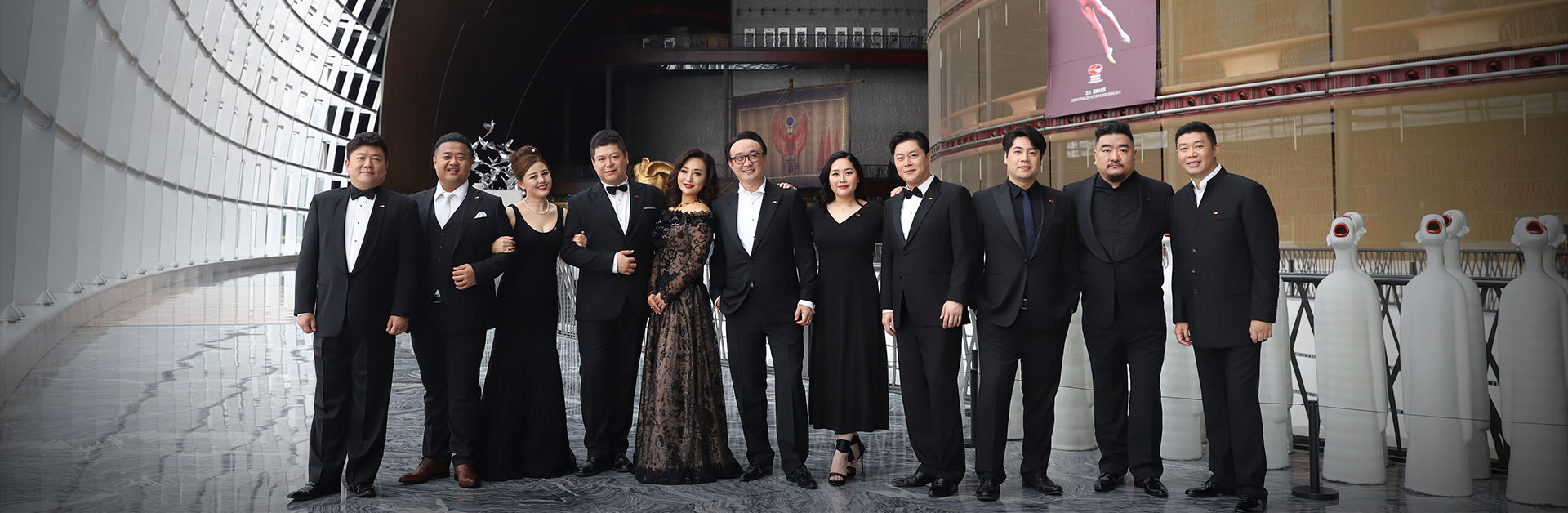 NCPA Resident Singers
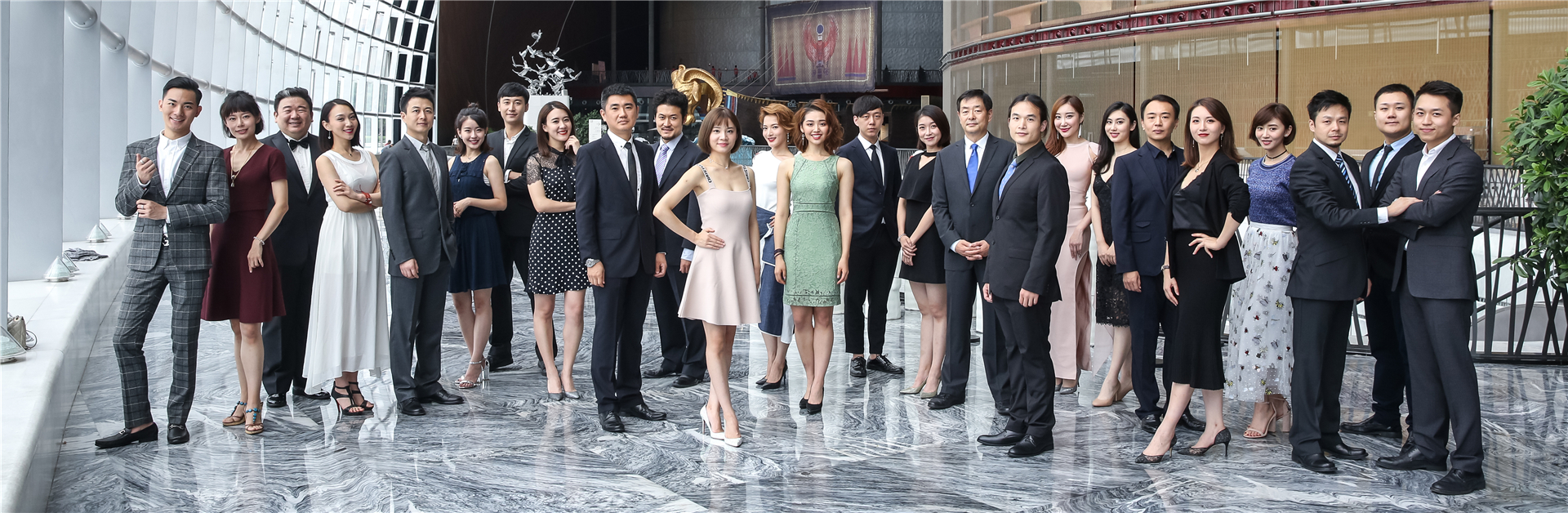 NCPA Drama Ensemble
 Buildings
Exhibitions
Buildings
Exhibitions
 Opening Hours
Services
Opening Hours
Services
 Western Cuisine
NCPA Café
Arts Gifts
Western Cuisine
NCPA Café
Arts Gifts




 This page provides performance information only.







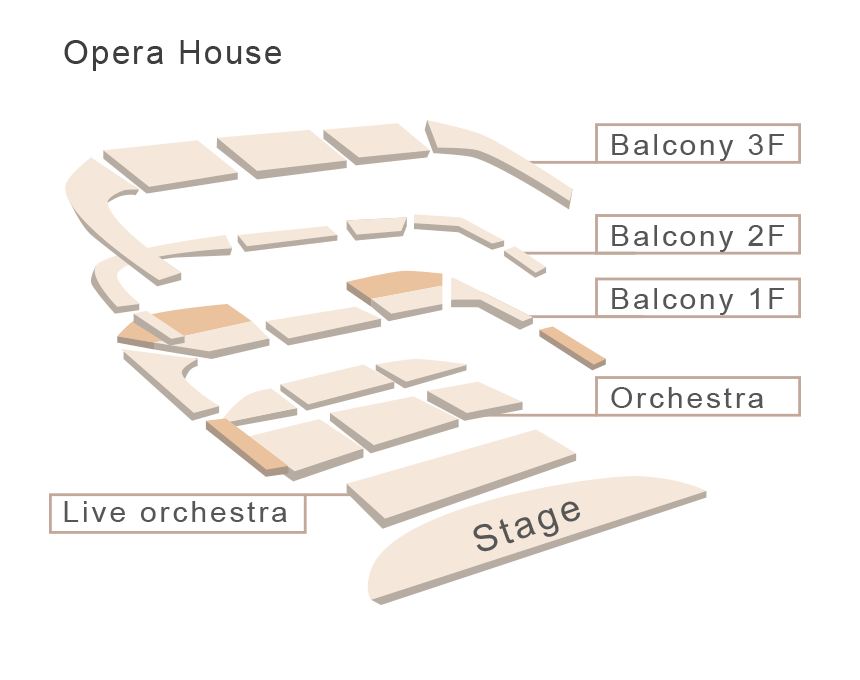 歌剧院
歌剧院
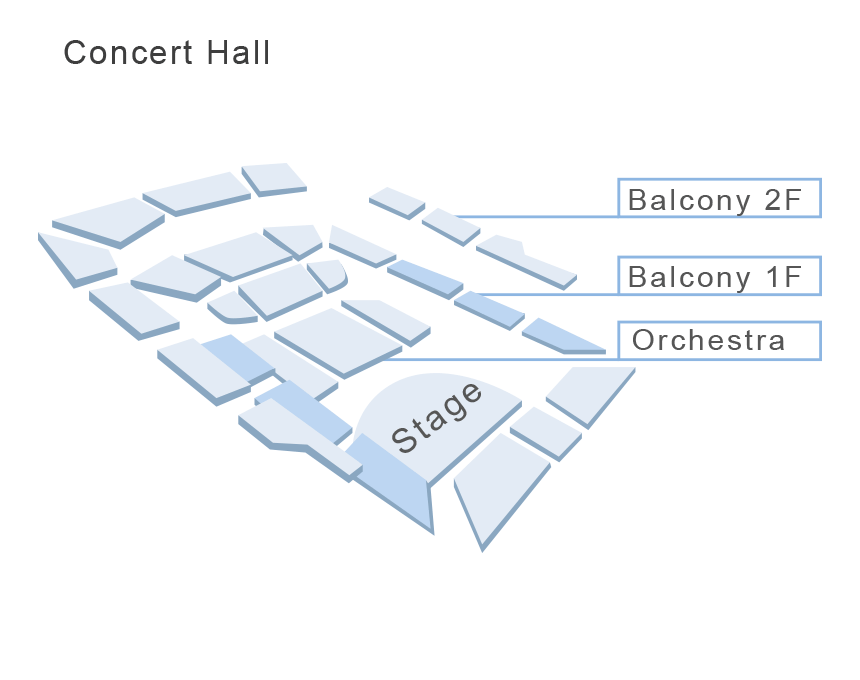 音乐厅
音乐厅
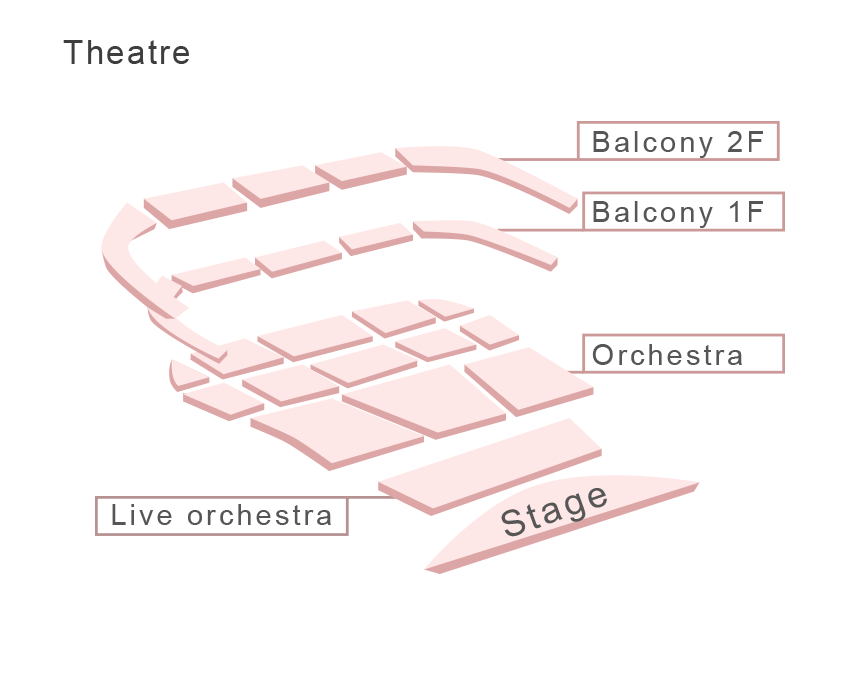 戏剧场
戏剧场
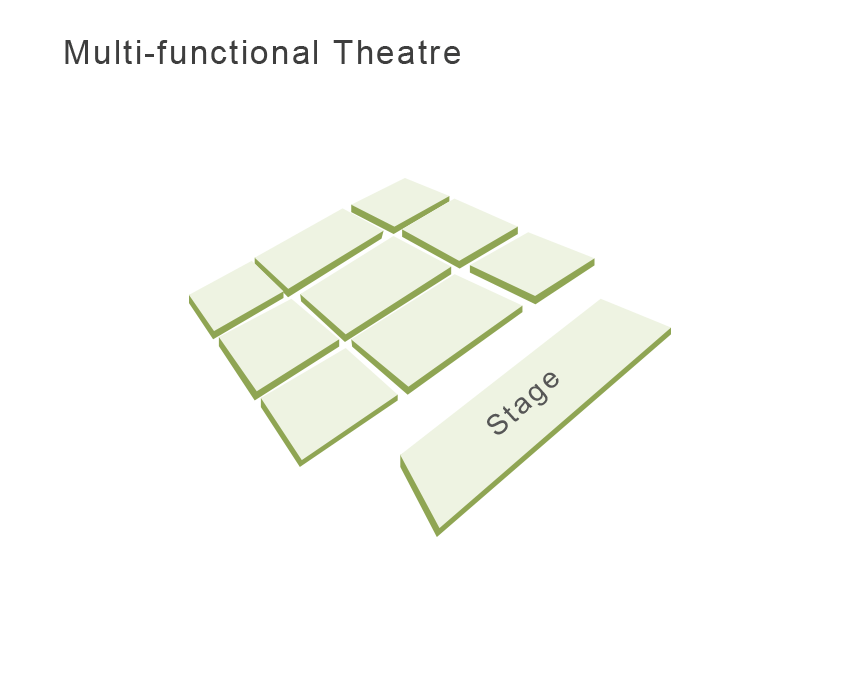 小剧场
小剧场