-
About
-
Synopsis
-
Creative
-
Artist
-
Presenter
Guidance
The detailed information will be coming soon. Click our Full Calendar and explore more performance in NCPA.
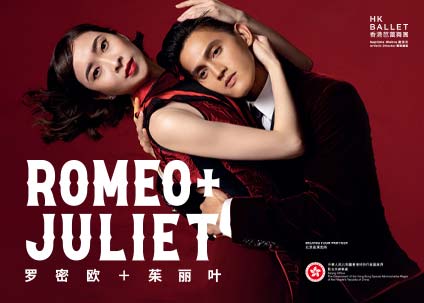
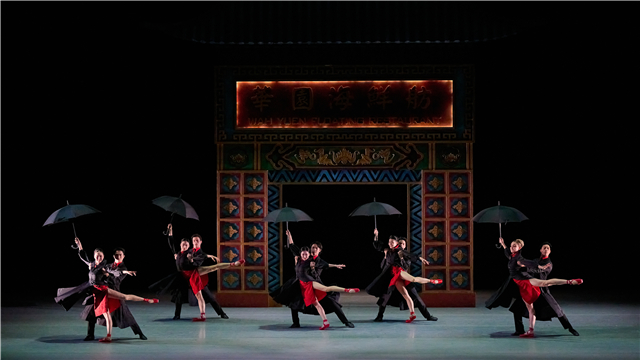
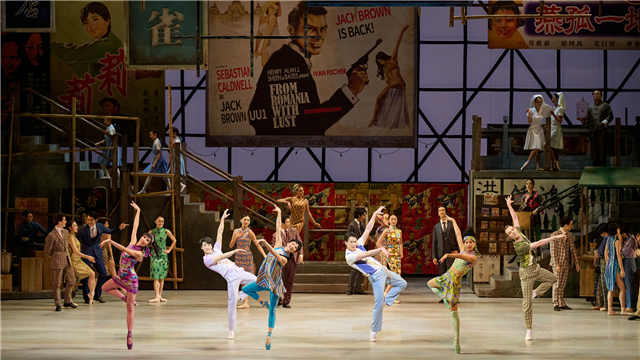
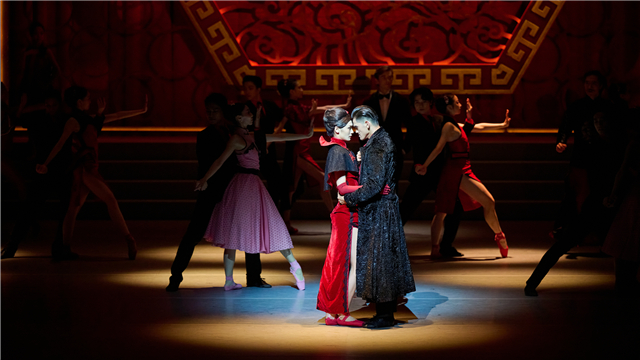
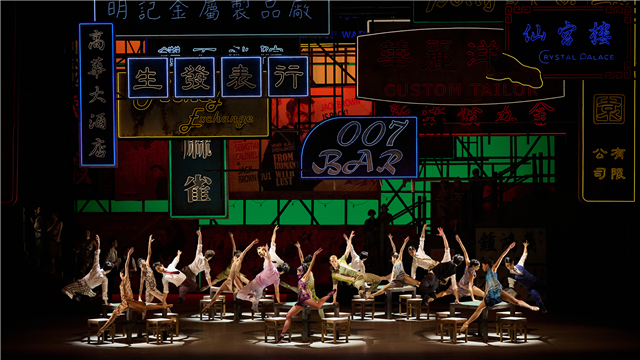
A bitter feud between rival families, a love that defies all odds, and the unforgettable balcony scene that has captivated audiences for centuries – Shakespeare's Romeo + Juliet remains one of the world's most enduring love stories. In this inspired adaptation, Septime Webre reimagines the classic in 1960s Hong Kong. Juliet, the daughter of a Hong Kong tycoon, falls in love with Romeo, the only son of her father's sworn enemy, even as her parents force her into a marriage with a wealthy foreign businessman. Can these love birds break free from the fate that threatens to tear them apart?
The streets of old Hong Kong in the twentieth century, design elements drawn from local everyday life, exuberant dance, luxurious cheongsams, and a plot full of twists and turns, combined with Prokofiev’s dramatic music and continuous Chinese kung fu fight sequences... Through ingenious original choreography, Septime Webre has created an extraordinary masterpiece brimming with imagination. The dance drama bursts with innovation and resonance, immersing audiences in a thoroughly exhilarating visual and sensory feast.
Creatives
Choreographer: Septime Webre
Music: Sergei Prokofiev
Costume Designer: Mandy Tam
Set Designer: Ricky Chan
Assistant Set Designer: Ryan Lo
Lighting Designer: Billy Chan
Re-lighting: Ruby Yau
Dramaturge: Yan Pat To
Make-up Design: M•A•C Cosmetics
Martial Arts Advisor: Hing Chao
Martial Arts Partner: International Guoshu Association
Act I
Scene I
It is daybreak in Hong Kong during the early 1960s. The city has been tense in recent months as a bitter rivalry between two of Hong Kong’s elite families has escalated. Romeo, the scion of one of Hong Kong’s prominent families, wanders the streets of Hong Kong dreamily, nursing a broken heart – Rosaline has rejected him. He seeks the advice of his Sifu, or Master, who consoles him.
As the street comes alive, Romeo is joined by his friends, Little Mak and Benny, and three feinui (bad girls), and the market street is soon filled with life. With the arrival of Tai Po, a triad boss with ties to Romeo’s father’s rival, the animosity between the two powerful Hong Kong clans spills into public view. A fight breaks out. Romeo’s Sifu intervenes, and the crowd eventually disperses, revealing the bodies of two dead young men.
Scene II
In her bedroom, Juliet, the only daughter of one of Hong Kong’s prominent tycoons, teases her Amah, or Nurse, affectionately. Juliet’s parents enter to proudly announce that they have arranged an auspicious match for her—she is to marry Mr. Parker, a wealthy gweilo. Juliet is tentative about the prospect of marriage but receives Mr. Parker graciously.
Scene III
At a lavish gala dinner, Juliet is put on display for the assembled guests by her father. Disguised with masks, Romeo, Little Mak and Benny slip into the party undetected. Through the crowd, Romeo and Juliet spot each other and are both lovestruck. Tai Po (who is both Juliet’s father’s associate and Juliet’s mother’s lover) suspects the interloper and unmasks him. Enraged, Tai Po demands revenge, but Juliet’s father stops him. As the guests depart, Tai Po warns Juliet to stay away from Romeo.
Scene IV
Later that night, Romeo wanders to Juliet’s home and waits outside her balcony. Juliet appears, and the two declare their love for each other.
Act II
Scene I
Romeo’s friends enjoy the afternoon on the streets of Hong Kong, gently mocking Romeo, who is delirious with love. A bride being photographed passes by. The friends are watching a film being made on the streets when Juliet’s Amah arrives with a letter for Romeo from Juliet agreeing to marry him. Romeo is overjoyed at the news.
Scene II
Unable to have a traditional wedding with their families present, Romeo and Juliet secretly meet at a temple and commit themselves to each other. Romeo’s Sifu blesses their union, while the Amah looks on, weeping tears of joy and foreboding.
Scene III
As the afternoon wanes, Little Mak and Benny wander into a mahjong parlour looking for fun. When Tai Po unexpectedly walks in, Little Mak taunts him. Romeo then enters, but since he is now secretly married to a member of Tai Po’s clan, he seeks peace. Little Mak and Tai Po continue to trade escalating insults, and a fight ensues. Romeo tries to come between them, inadvertently allowing Tai Po to kill Little Mak. In a cloud of rage over his friend’s death, Romeo kills Tai Po. Juliet’s parents come upon the scene, and Juliet’s mother is undone by the death of her lover, Tai Po.
Act III
Scene I
Romeo and Juliet spend the night together in Juliet’s bedroom. Romeo, now a fugitive for killing Tai Po, must flee as day breaks. Juliet’s parents enter—they have decided that she will marry Mr. Parker the following day. Juliet protests, but her father brutally silences her. In despair, Juliet rushes off to seek help from Romeo’s Sifu.
Scene II
The Sifu gives Juliet a potion that will make her appear to be dead. He promises that he will send a message to Romeo that Juliet is only sleeping and that after the funeral, but before the burial, she will awaken. Then she and Romeo will be reunited, and they can escape Hong Kong together.
Scene III
Juliet returns home where she pretends to agree to marry Mr. Parker. Left alone, she then swallows the potion and falls into a death-like slumber. On the morning of her wedding to Mr. Parker, Juliet is found dead.
Scene IV
Not having received the Sifu’s message, Romeo believes Juliet to be actually dead and desperately rushes to her funeral. He kills Mr. Parker so that he can be alone with Juliet. In his despair, he poisons himself. Juliet then awakens, is horrified to discover Romeo dead and kills herself.
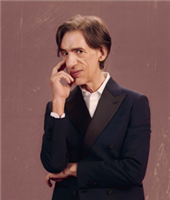
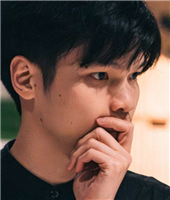
Septime WebreArtistic Director / Choreographer
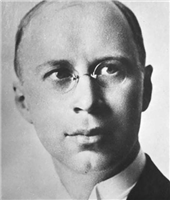
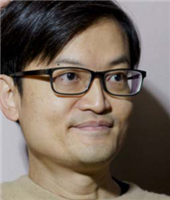
Mandy TamCostume Designer
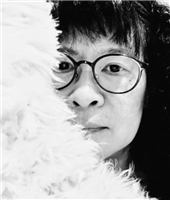
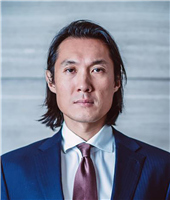
Ryan LoAssistant Set Designer
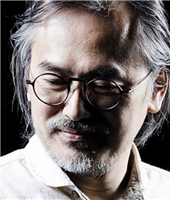
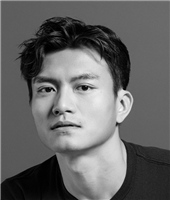
Ruby YauRe-lighting Designer
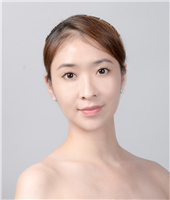
Hing ChaoMartial Arts Advisor
Hong Kong Ballet
Hong Kong Ballet (HKB) is recognized internationally as a world-class institution that represents Hong Kong’s unique character. Since its inception in 1979, HKB has evolved into a vibrant performing arts organisation with a dynamic repertoire, forward-thinking community engagement initiatives and an emphasis on excellence.
Comprised of 50 dancers from all over the globe – China’s Hong Kong and mainland, and other parts of Asia, Australia, New Zealand, Europe and North America, HKB has won recognition both regionally and internationally with celebrated re-stagings of the classics, neoclassical masterworks by George Balanchine and others and original ballets created for HKB and about Hong Kong. Additionally, HKB performs works by its Artistic Director Septime Webre and some of today’s most sought-after choreographers, including Alexei Ratmansky, Christopher Wheeldon, Wayne McGregor, Justin Peck, Jiří Kylian, Nacho Duato and Annabelle Lopez Ochoa as well as innovative new works by its Choreographer-in-Residence, Hu Song Wei Ricky, and numerous emerging Hong Kong choreographers.
HKB stands out as a dynamic Hong Kong cultural ambassador, sharing its unique repertoire and style with audiences in Europe, North America, and Asia. With over 50 international tours since its founding, this year HKB will have performed or presented immersive works in Macao, Venice, New York, London, and Shanghai. HKB maintains the Hong Kong Academy of Ballet, a professionally- oriented ballet school, as well as a full schedule of award-winning community programmes and crossover collaborations throughout Hong Kong to ensure ballet is accessible to all. HKB has also produced engaging original videos and dance films that have collectively garnered over 10 million views online, connecting with ballet lovers worldwide.
*Please purchase tickets through authorized channels to avoid counterfeiting. Before completing your purchase, please verify the performance date, time, venue, and seat number carefully. Performance tickets are time-sensitive and limited in availability. Once a transaction has been completed, tickets are non-exchangeable, non-refundable and cannot be reissued if lost. Please double-check all ticketing details and securely retain your physical ticket or electronic order. If you are unable to attend due to personal reasons, please make your own arrangements regarding the use of your tickets. We appreciate your understanding as any inconvenience caused.
*The cast, programme, or other performance details are subject to change and shall be based on the live performance. In the event of major adjustments - such as changes to the performance date or lead cast - please refer to the official announcements issued by the NCPA and follow the relevant procedures as instructed.
*The NCPA opens 90 minutes before performances, and 60 minutes before art education lectures and similar events. Auditorium entry begins 45 minutes before performances. For all performances and events, the Northern entrance serves as the sole public entrance. Please ensure that ticket scanning and security screening are completed prior to entry, and allow sufficient time to avoid delays.
*Tickets must be retained in their original, intact condition. Admission will be denied for tickets lacking a stub, or bearing any alterations, obscured information, or defacement. Each ticket is valid for a single entry on the date of the performance. For certain performances, presentation of original valid identification documents is required. Admission will be granted only when the ticket information corresponds with the presented identification.
*Recommended admission height: 1.2 meters and above. Special provisions may apply to certain performances or events, as indicated on the corresponding ticketing page.
*All attendees are required to undergo security screening upon entry. Smoking and open flames are strictly prohibited within the NCPA premises. Prohibited items include, but not limited to, firearms and replicas, controlled knives, flammable or explosive substances, toxic or hazardous materials, corrosive substances, and radioactive materials. Any prohibited items discovered will be handed over to public security authorities.
*For safety and hygiene reasons, the NCPA does not provide storage services for food, beverages, or similar items. The following items are not permitted inside the NCPA: food and drinks, flags & banners, electronic cigarettes, power banks exceeding 20000mAh, flowers, recording or photography equipment, and oversized luggage.
*Attendees are requested to address appropriately. Admissions will be denied to individuals who are improperly attired or under the influence of alcohol.
*If you are late, please wait quietly in the audience waiting area. Entry will be permitted under the guidance of ushers during appropriate intermissions or between movements, and you are requested to take the nearest available seat with minimal disturbance. For concerts consisting of a single piece - either for the entire performance or a complete half - late arrivals and audience who leave midway will not be admitted.
*All attendees are requested to observe proper performance etiquette. Please keep quiet and remain seated throughout the entire performance. Mobile phones should be turned off or set to silent mode, and calls should not be made in the auditorium. Photography, audio, or video recording of the performance is strictly prohibited without prior permission. The use of flashlights, including phone flashlights, is not allowed.
*After the performance, please exit the auditoriums in an orderly manner. Loitering is discouraged.



 Repertoire
 Films
Films
 Videos
 Podcast
 China NCPA Orchestra
 China NCPA Chorus
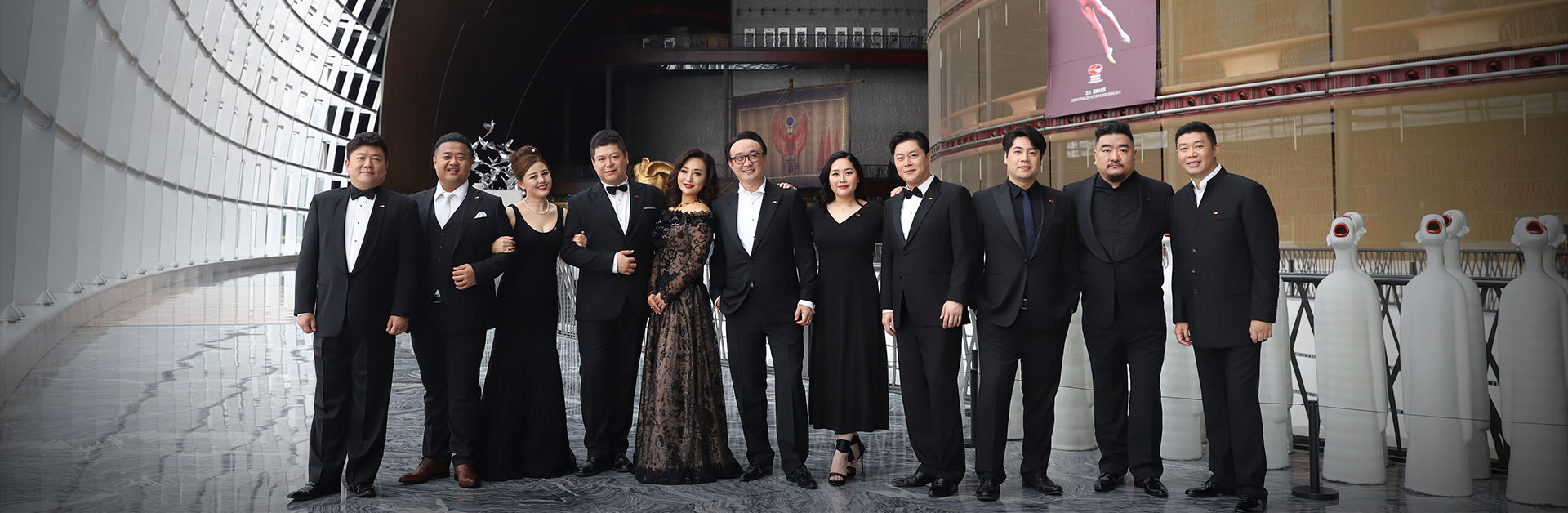 NCPA Resident Singers
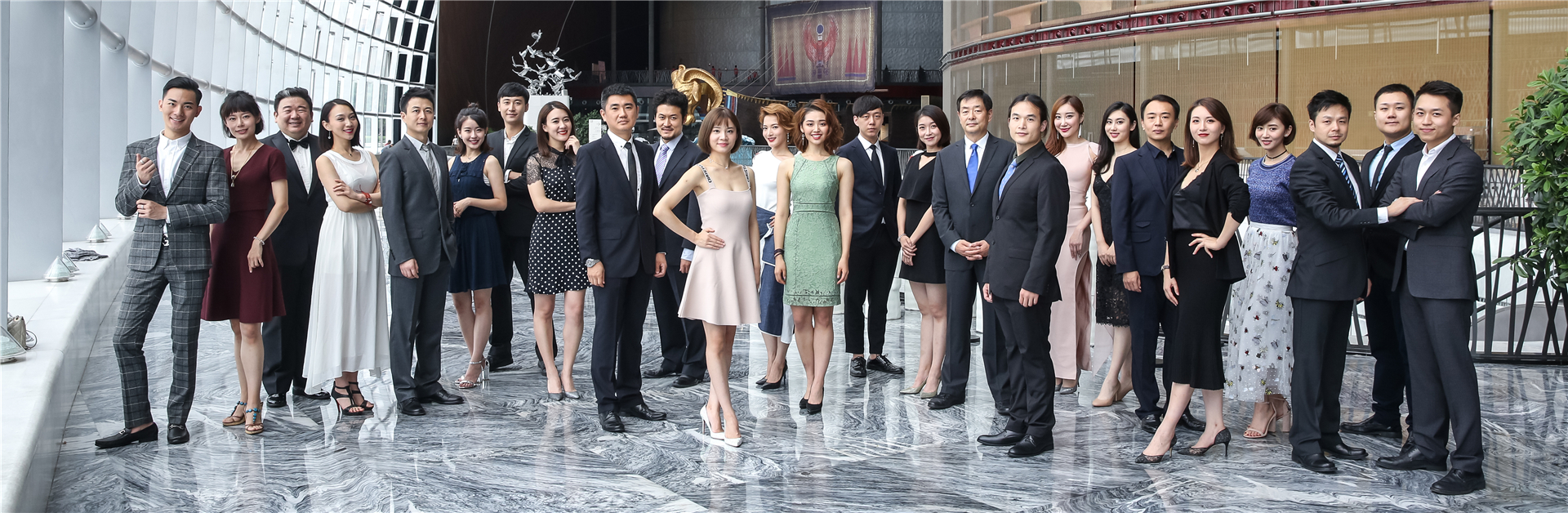 NCPA Drama Ensemble
 Buildings
Exhibitions
Buildings
Exhibitions
 Opening Hours
Services
Opening Hours
Services
 Western Cuisine
NCPA Café
Arts Gifts
Western Cuisine
NCPA Café
Arts Gifts



 This page provides performance information only.


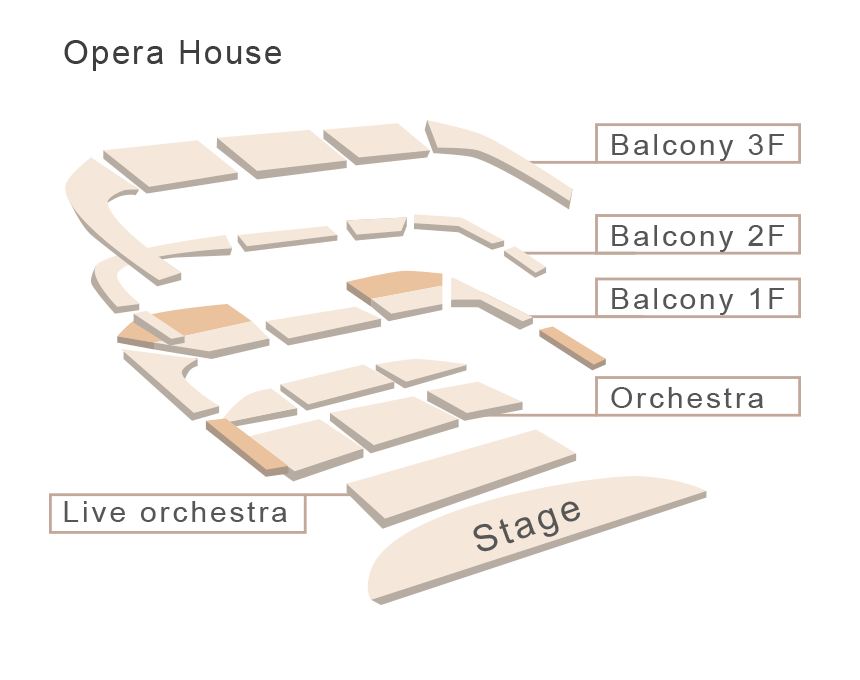 歌剧院
歌剧院
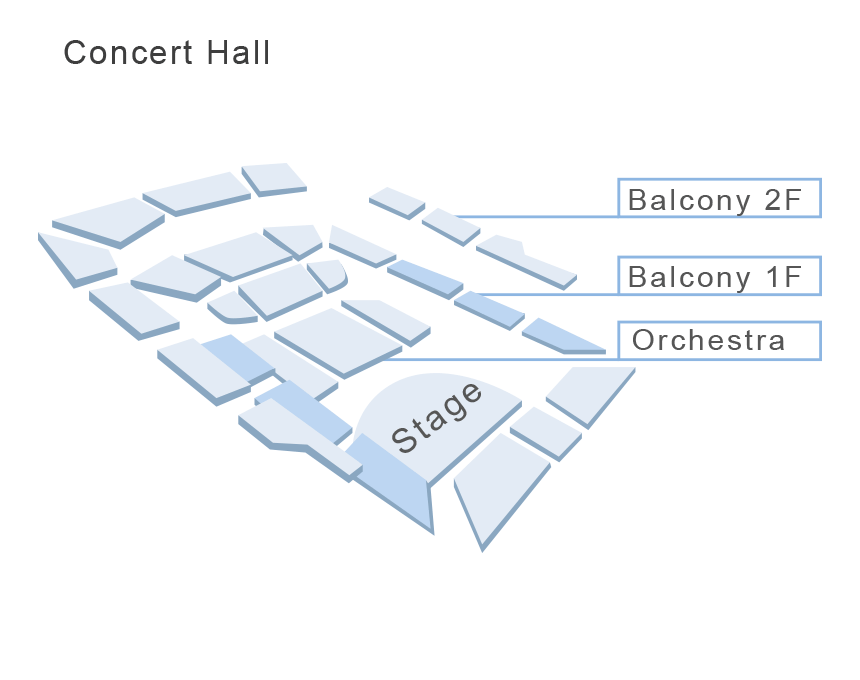 音乐厅
音乐厅
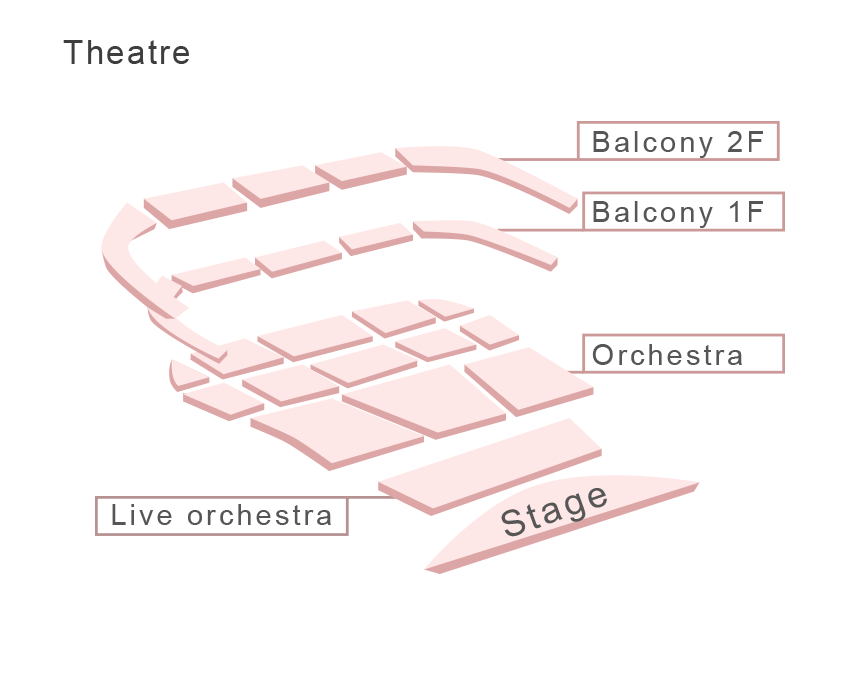 戏剧场
戏剧场
 小剧场
小剧场