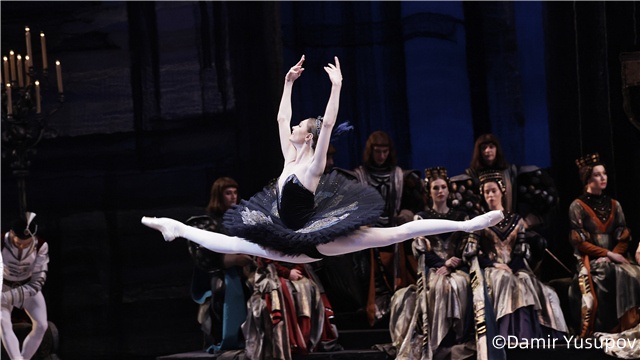
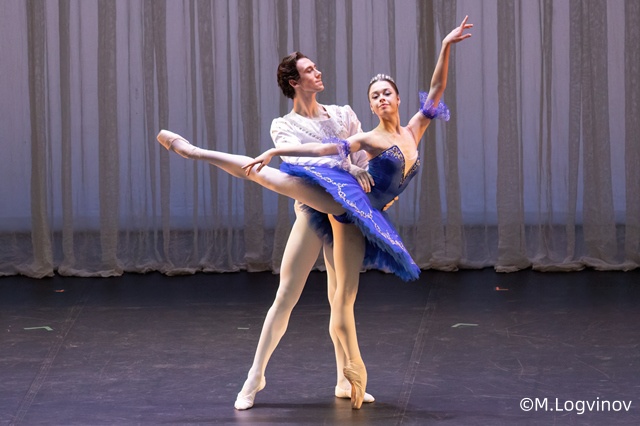
Pas de deux from the ballet Swan Lake
Swan Lake is one of the defining masterpieces of Russian ballet. The work was commissioned from Pyotr Ilyich Tchaikovsky by the Board of the Imperial Theatres, now the Mariinsky Theatre. It premiered in 1877, performed by the Bolshoi Ballet at the Bolshoi Theatre in Moscow. In honor of the composer, Lev Ivanov and Marius Petipa later revived and restaged the ballet at the Mariinsky Theatre in St. Petersburg.
Among the best-known versions is the 1969 production choreographed by Yuri Grigorovich for the Bolshoi Ballet. The famous pas de deux is one of the ballet’s iconic moments: at a ball, the Prince encounters a mysterious woman disguised as the Swan Princess. Captivated by her, he forgets his previous vow and becomes engaged to her.
Venetian Carnival pas de deux from the ballet Satanella
The Venice Carnival Pas de Deux from the ballet Satanella rarely appears on ballet programmes today. The ballet itself was once immensely popular in the mid-19th century, but has long since disappeared from the regular repertory. In 1840, Joseph Mazilier choreographed the ballet based on a popular fantasy novel, originally titled The Demon Lover. After the work was brought to St. Petersburg, it was renamed Satanella. In 1848, Marius Petipa, who had recently moved to St. Petersburg from France, restaged the ballet and created the Venice Carnival Pas de Deux. The complete ballet has since been lost. Thanks to the efforts of Natalia Dudinskaya, a renowned St. Petersburg ballerina and master ballet teacher who carefully preserved and reconstructed the material, this highly theatrical and dynamic pas de deux has survived and continues to be performed today.
Pas de deux from the ballet The Flames of Paris
The ballet The Flames of Paris is set against the backdrop of the French Revolution. It is adapted from Félix Gras’s novel The Marseillaise. Throughout the ballet, scenes of everyday life alternate with scenes at the court of Versailles. The famous pas de deux performed by the protagonists, Jeanne and Philippe, embodies the heroic style of Soviet ballet. It continues to be performed today in Vasily Vainonen’s original choreography.
Pas de deux from the ballet The Sleeping Beauty
The Sleeping Beauty is widely regarded as the crowning achievement of classical ballet. Premiering at the Mariinsky Theatre in St. Petersburg in 1890, it has remained one of the world’s most celebrated classical ballets ever since. The ballet is based on the classic fairy tale by French author Charles Perrault: a princess is cursed by an evil fairy and falls into a hundred-year sleep, only to be awakened by a handsome prince. The ballet’s fantastical world surrounding Princess Aurora is set against the splendour of the French court during the reign of Louis XII, while Prince Désiré’s world evokes the grandeur of Versailles under Louis XIV. In 2011, Yuri Grigorovich, chief choreographer of the Bolshoi Ballet, created a new production of The Sleeping Beauty to mark the reopening of the Bolshoi Theatre’s historic Main Stage following its renovation.
Grand Pas Classique
Composed by Daniel Auber and choreographed by Russian-born choreographer Victor Gsovsky, Grand Pas Classique is a representative work of the French academic ballet tradition. The great Parisian ballerina Yvette Chauviré was the first dancer to perform the work. This elegant ballet has remained a beloved favorite with audiences.
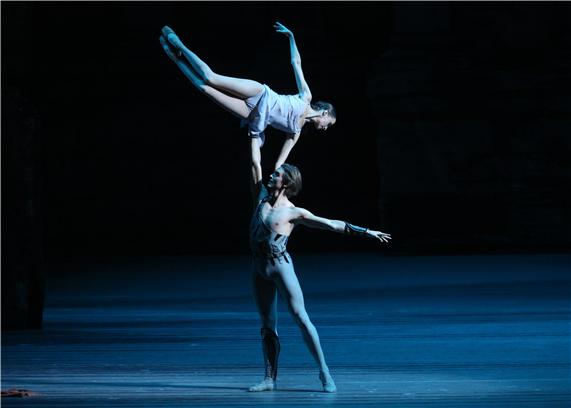
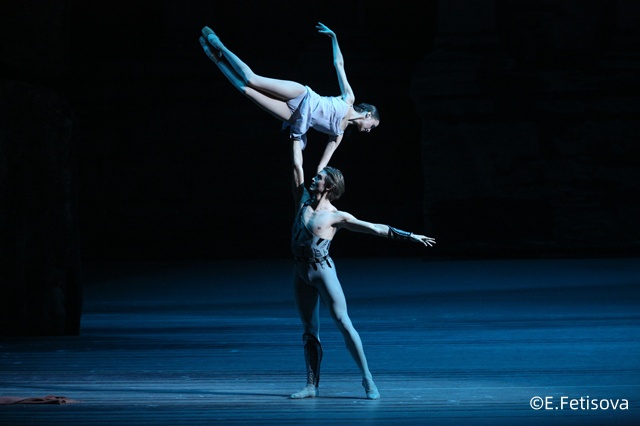
Monologue of Phrygia and Adagio of Spartacus and Phrygia from the 3rd act of the ballet Spartacus
Spartacus, created by Yuri Grigorovich, is one of the signature productions of the Bolshoi Ballet. Premiered in 1968, it remains part of the Bolshoi’s core repertoire and is regarded as one of the theatre’s most monumental and powerful works. Themes of heroism, struggle, and unwavering love are woven together throughout the ballet. Created in collaboration with renowned designer Simon Virsaladze, Spartacus is celebrated for its spectacular ensemble scenes and its central quartet of characters: Spartacus, the gladiator leader; his beloved Phrygia; the Roman general Crassus; and his mistress Aegina. Phrygia’s Monologue and the Adagio of Spartacus and Phrygia are among the ballet’s most inspiring and emotionally powerful passages. Passionate yet tender, they form a moving tribute to love, devotion, and unwavering loyalty.
Pas de deux from the ballet Le Corsaire
Le Corsaire is one of Marius Petipa’s most celebrated masterpieces, although the ballet was not originally created by Petipa. In 1856, Joseph Mazilier choreographed the work to music by Adolphe Adam, premiering it in Paris. The following year, the ballet, which had become a sensation in Paris, was adapted for the St. Petersburg stage by choreographer Jules Perrot. In 1863, Marius Petipa, then Second Ballet Master of the St. Petersburg Imperial Theatres, reworked the ballet, helping to establish Le Corsaire as a major success. Over the following decades, Petipa continued to refine and expand the production, ultimately transforming it into a lasting classic of the ballet repertoire. The pas de deux between Medora, a young Greek woman, and Conrad, a slave who becomes her lover—presented as a pas de trois in some versions—is one of the ballet’s most widely performed excerpts. Showcasing demanding technique, virtuosity, and expressive power, the dazzling sequence remains a favorite among both dancers and audiences.
Grand Pas from the ballet Paquita
The Paquita Grand Pas stands as a landmark of the ballet tradition shaped by Marius Petipa. With its rigorous structure and refined choreography, it has become a model of classical ensemble dancing. Precisely structured and meticulously choreographed, the Grand Pas gives every featured soloist—including the ballerina performing Paquita—the opportunity to showcase exceptional technique and commanding stage presence. Often described within the ballet world as a “collective portrait,” the ensemble demands virtuoso technique, precision, and a sense of grandeur and aristocratic elegance. Only a ballet company with a strong ensemble of top-level dancers can fully master this demanding and spectacular passage. Reconstruction choreographer Yuri Burlaka reconstructed and restaged Petipa’s original choreography for Act III of Paquita twice, in 2008 and 2020. His version features a richer and more diverse selection of solo variations, offering dancers greater opportunities to display their individual artistry and technical mastery. The variations selected for the Grand Pas are different from one performance to the next, giving ballet lovers something fresh to discover every time and making this celebrated sequence endlessly rewarding to watch.
*Please purchase tickets through authorized channels to avoid counterfeiting. Before completing your purchase, please verify the performance date, time, venue, and seat number carefully. Performance tickets are time-sensitive and limited in availability. Once a transaction has been completed, tickets are non-exchangeable, non-refundable and cannot be reissued if lost. Please double-check all ticketing details and securely retain your physical ticket or electronic order. If you are unable to attend due to personal reasons, please make your own arrangements regarding the use of your tickets. We appreciate your understanding as any inconvenience caused.
*The cast, programme, or other performance details are subject to change and shall be based on the live performance. In the event of major adjustments - such as changes to the performance date or lead cast - please refer to the official announcements issued by the NCPA and follow the relevant procedures as instructed.
*The NCPA opens 90 minutes before performances, and 60 minutes before art education lectures and similar events. Auditorium entry begins 45 minutes before performances. For all performances and events, the Northern entrance serves as the sole public entrance. Please ensure that ticket scanning and security screening are completed prior to entry, and allow sufficient time to avoid delays.
*Tickets must be retained in their original, intact condition. Admission will be denied for tickets lacking a stub, or bearing any alterations, obscured information, or defacement. Each ticket is valid for a single entry on the date of the performance. For certain performances, presentation of original valid identification documents is required. Admission will be granted only when the ticket information corresponds with the presented identification.
*Recommended admission height: 1.2 meters and above. Special provisions may apply to certain performances or events, as indicated on the corresponding ticketing page.
*All attendees are required to undergo security screening upon entry. Smoking and open flames are strictly prohibited within the NCPA premises. Prohibited items include, but not limited to, firearms and replicas, controlled knives, flammable or explosive substances, toxic or hazardous materials, corrosive substances, and radioactive materials. Any prohibited items discovered will be handed over to public security authorities.
*For safety and hygiene reasons, the NCPA does not provide storage services for food, beverages, or similar items. The following items are not permitted inside the NCPA: food and drinks, flags & banners, electronic cigarettes, power banks exceeding 20000mAh, flowers, recording or photography equipment, and oversized luggage.
*Attendees are requested to address appropriately. Admissions will be denied to individuals who are improperly attired or under the influence of alcohol.
*If you are late, please wait quietly in the audience waiting area. Entry will be permitted under the guidance of ushers during appropriate intermissions or between movements, and you are requested to take the nearest available seat with minimal disturbance. For concerts consisting of a single piece - either for the entire performance or a complete half - late arrivals and audience who leave midway will not be admitted.
*All attendees are requested to observe proper performance etiquette. Please keep quiet and remain seated throughout the entire performance. Mobile phones should be turned off or set to silent mode, and calls should not be made in the auditorium. Photography, audio, or video recording of the performance is strictly prohibited without prior permission. The use of flashlights, including phone flashlights, is not allowed.
*After the performance, please exit the auditoriums in an orderly manner. Loitering is discouraged.



 Repertoire
 Films
Films
 Videos
 Podcast
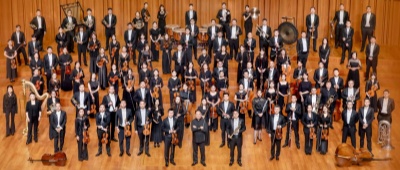 China NCPA Orchestra
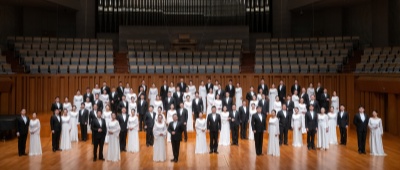 China NCPA Chorus
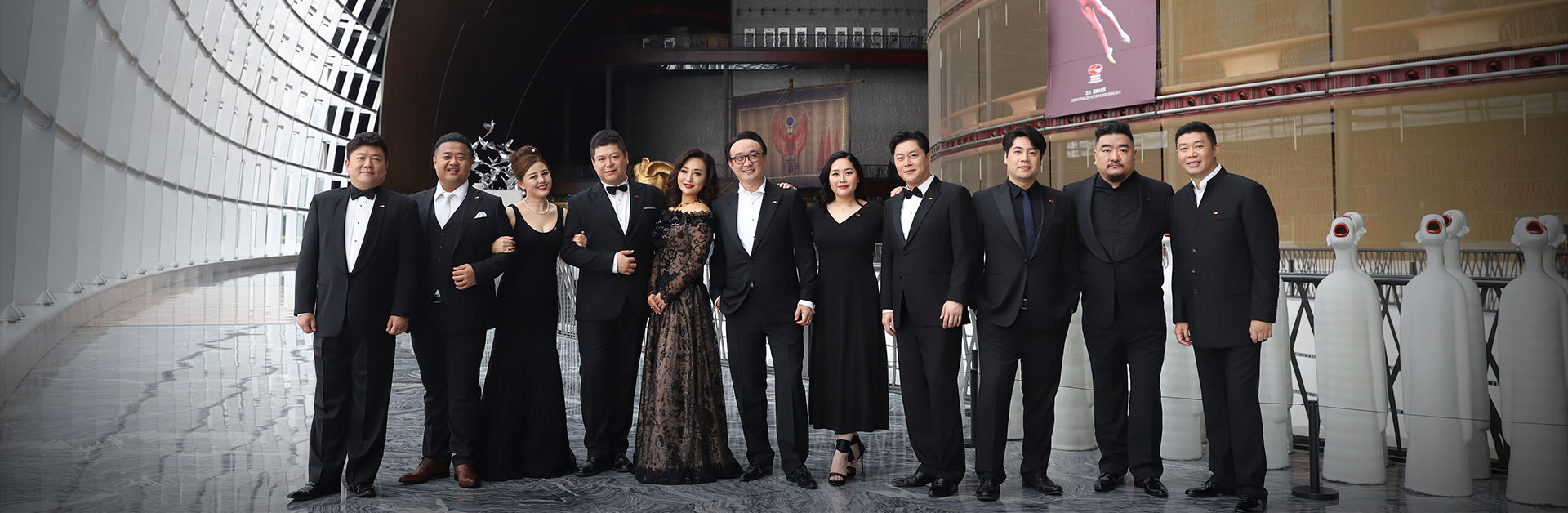 NCPA Resident Singers
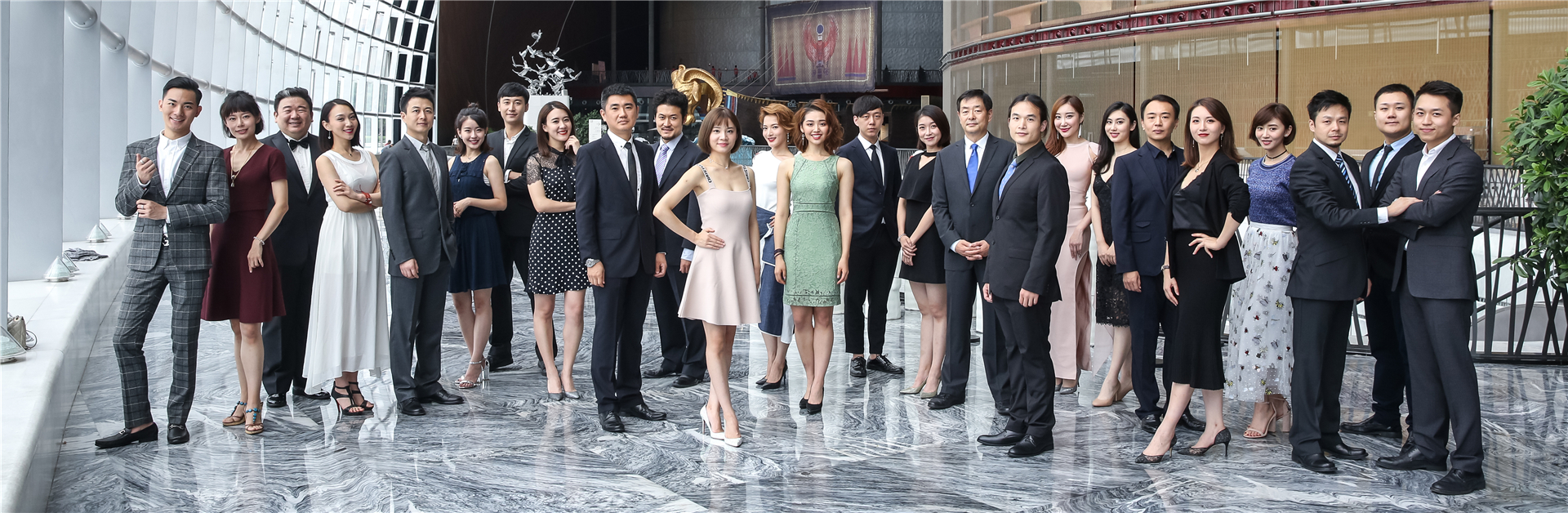 NCPA Drama Ensemble
 Buildings
Exhibitions
Buildings
Exhibitions
 Opening Hours
Services
Opening Hours
Services
 Western Cuisine
NCPA Café
Arts Gifts
Western Cuisine
NCPA Café
Arts Gifts



 This page provides performance information only.

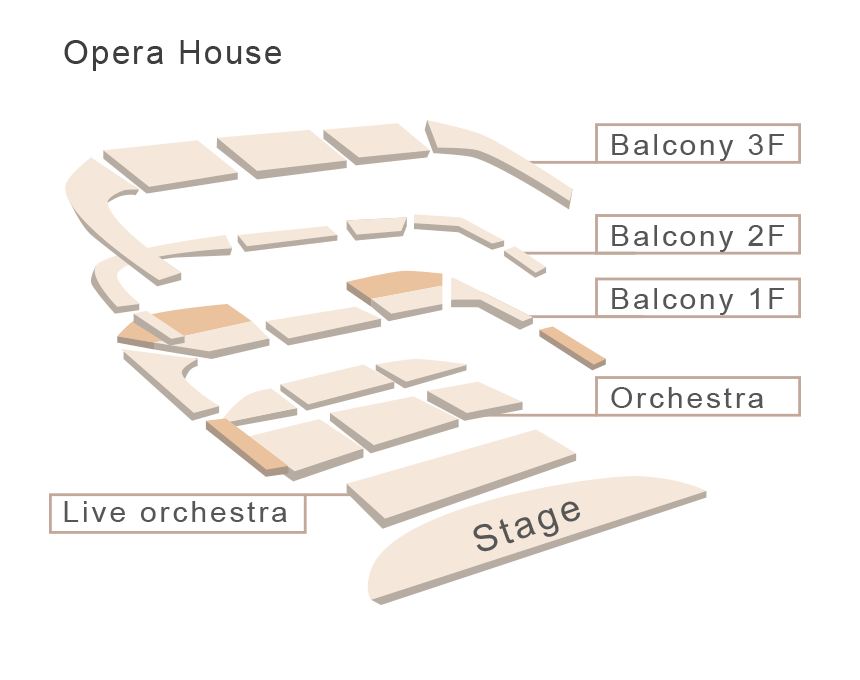 歌剧院
歌剧院
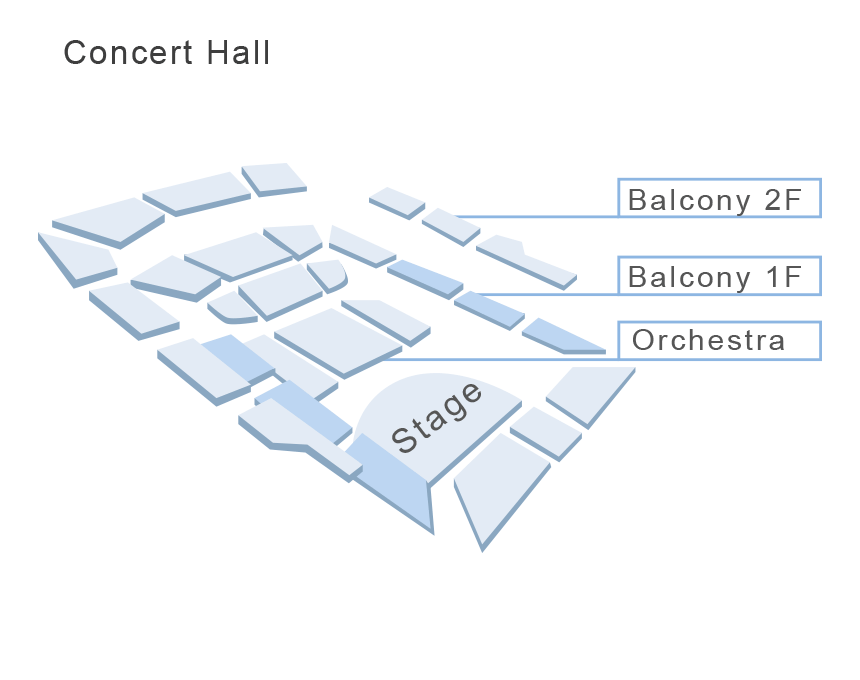 音乐厅
音乐厅
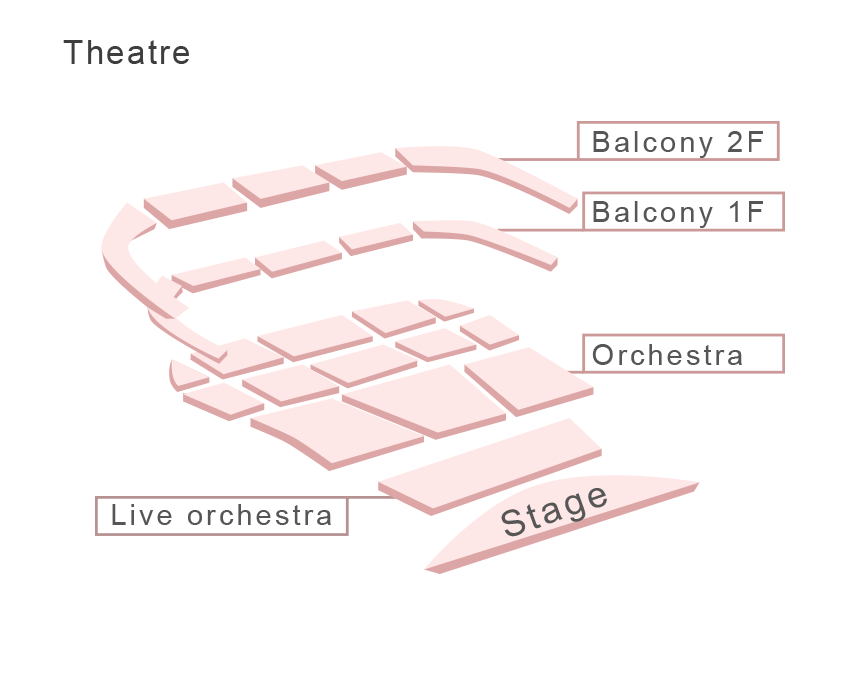 戏剧场
戏剧场
 小剧场
小剧场