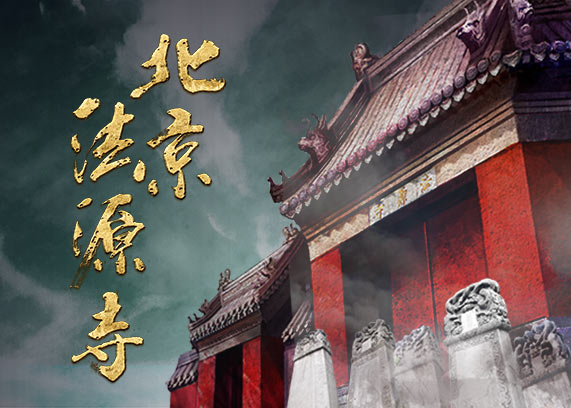
Directed by TIAN Qinxin, Beijing Fayuan Temple is the first stage adaptation of LI Ao’s novel of the same name. Set against the turbulent final years of the Qing dynasty, Beijing Fayuan Temple brings together an array of oppositions and questions: life and death, the hidden and the revealed, scholars and the court, family and nation, ruler and subject, loyalty and betrayal, East and West, China and the world, strength and weakness, the individual and the collective, self and others, public and private interest, emotion and reason, tradition and change, departure and return, cause and effect, and economics. Through three interconnected spaces—the imperial court, the world of ordinary people, and the temple—the production offers a glimpse into this chapter of Chinese history. As the fate of the nation hangs in the balance, where lies the way forward for the Chinese people?
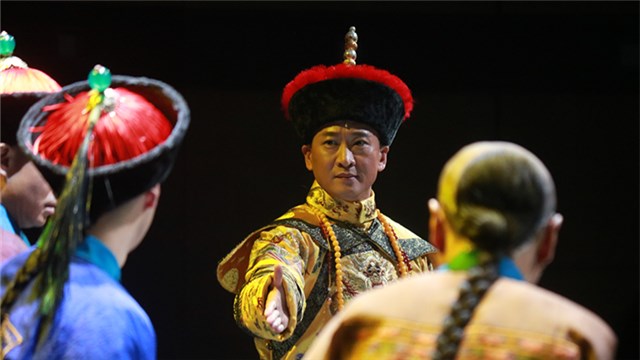
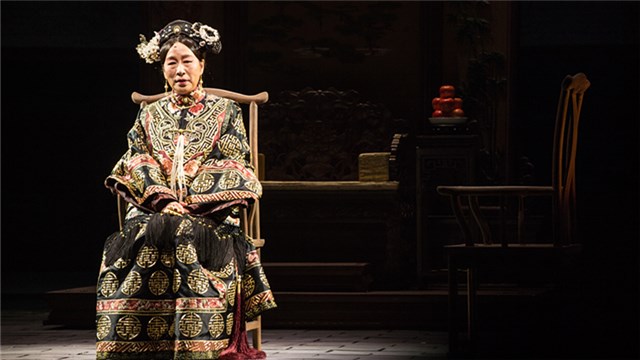
Drawing on the lives of figures including KANG Youwei, LIANG Qichao, TAN Sitong, the Guangxu Emperor, and Empress Dowager Cixi, LI Ao traces a series of historical events from 1888 to 1927, with the quest for reform and renewal at its heart and Beijing’s Fayuan Temple as its central setting. For the stage adaptation, the story focuses on ten days—from September 11th to 21st, 1898. It brings to life key moments from the novel, including the Guangxu Emperor’s audience with KANG Youwei, the emergence of reformist ideas, TAN Sitong’s embodiment of the true spirit of the hero, and LIANG Qichao’s pursuit of new knowledge through Western learning, revealing the ideals and inner worlds of these historical figures at a pivotal moment in history.
A thousand-year-old temple, a thousand years of witnessing history.
Above, the towering halls of the imperial court; below, the human world as a stage.
Creative
Chief Producer: WANG Ning
Executive Presenters: TIAN Qinxin, YIN Yixin
Chief Producers: GONG Baojiang, XU Xiaohui
Supervisors: BAI Xuefeng, CHENG Peng
Author: LI Ao
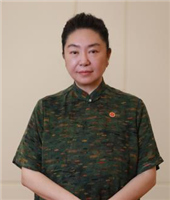
Playwright/Director: TIAN Qinxin
Deputy Director: SUN Xiaoming
Managing Producer: LI Dong
Deputy Managing Producer: WANG Pengpeng
Visual Director/Lighting Designer: XIAO Lihe
Setting Designer/Props Designer: WANG Chen
Costume/Hair Style Designer: Shirley Chan
Music: JIANG Jinghong
Video Projection Designer: YU Hai
Sound Designer: HE Bin
Deputy Costume/Hair Style Designer: LIU Hongman
Costume Construction Supervisor: SU Zihang
Stage Manager: CHEN Long
Production Coordinator: Laoxiang
Performance Coordinators: XIAO Han, LIU Yuanqing, DING Baihui, ZHUANG Ying
Publicity Coordinators: LIU Mengni, MA Ge, ZHANGFENG Gaoya
Actor Coordinators: ZHANG Yan, LIU Hanzhong
Set Coordinator: GUO Tianqu
Poster Designer: CHEN Huixiong
Cast
Empress Dowager Cixi: XI Meijuan
Emperor Guangxu: ZHOU Jie
TAN Sitong: JIA Yiping
KANG Youwei: ZHAO Huanyu/ FANG Xu
LI Hongzhang: ZONG Ping
Aisin Giorro Yixin: ZOU Yidao
RONG Lu: FAN Shanghong
LI Lianying: LIU Mumei
YUAN Shikai: WU Bi
LIANG Qichao: DONG Chang
PU Jing: ZHOU Chuanjie
YI Bing: ZHOU Chengao/ SONG Xianli
YANG Rui: CUI Kai
LIU Guangdi: ZHANG Yicong
LIN Xu: HU Xianxu/ SHAN Guanchao
GANG Yi/ Monk: Guzi
KANG Guangren/ Minister/ Monk: ZHANG Shuo
YANG Shenxiu/ Minister/ Monk: YAO Wenxu
Minister/ Monk: WANG Dawei
Minister/ Monk: JIN Dacheng
TAN Sitong’s Wife/ Female Lay Buddhist: HU Kenu
LIN Xu’s Wife/ Female Lay Buddhist: PENG Luqi
YANG Rui’s Wife/ Female Lay Buddhist: TIAN Weining
LIU Guangdi’s Wife/ Female Lay Buddhist: SHI Jialu
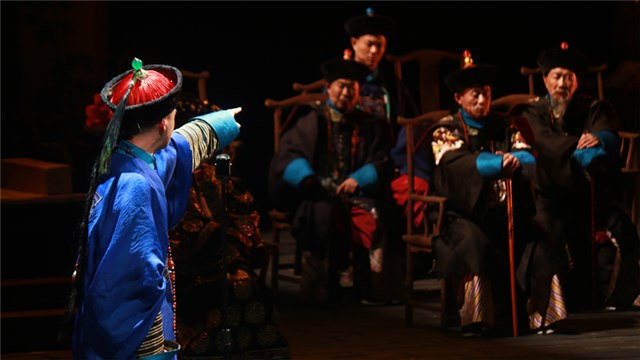
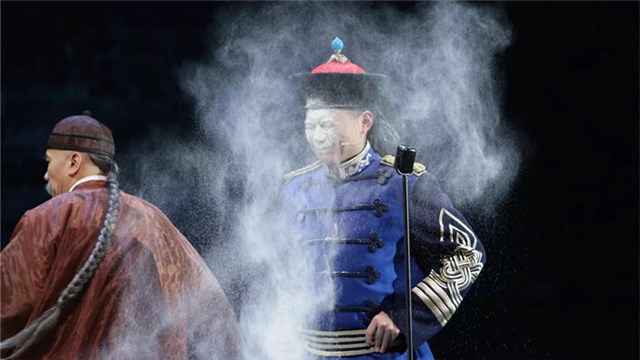
The story begins at Beijing’s Fayuan Temple, an ancient Buddhist temple dating back to the Tang dynasty. KANG Youwei, LIANG Qichao, and TAN Sitong, the three central figures of the reform movement, live close to the temple, with TAN and LIANG being devout Buddhists. They frequently visit the temple, where TAN and LIANG become sworn brothers, forging a bond they believe would endure across lifetimes. The Guangxu Emperor finally summons KANG Youwei, fulfilling a long-awaited meeting between the two. KANG presents his ideas for reform and wins the emperor’s trust. Ninety-three days into the reform, Empress Dowager Cixi intervenes. As the movement faces imminent defeat, the Guangxu Emperor orders his secretary YANG Rui to secretly deliver an imperial edict to the reformers, urging them to act swiftly to rescue him. KANG turns to YUAN Shikai, who commands military forces, and sends TAN Sitong to visit him at Fayuan Temple by night to discuss a plan to save the emperor. YUAN ultimately fails to fulfill his mission and instead exposes the reformers’ efforts as an attempted coup. Empress Dowager Cixi deposes the Guangxu Emperor, and the reform movement collapses after 103 days. With Cixi assuming control of the government, KANG Youwei and LIANG Qichao flee into exile overseas, while TAN Sitong and five other reformers—the “Six Gentlemen of the Hundred Days’ Reform”—are executed at Caishikou in Beijing.
In 1921, KANG Youwei and LIANG Qichao return to Fayuan Temple together. Once close teacher and student, they part ways at the temple over their differing political visions: whether China should preserve the imperial system or pursue revolution.
Fayuan Temple serves as the central setting where these historical events and debates unfold, connecting the temple to the imperial court of the Qing dynasty. At the heart of the play is the idea: “The halls of the imperial court tower above; the human world is a stage.” The drama seeks to look beyond life and death, the political game, human relationships and worldly affairs, morality and scholarship, social order, the weight of history, and the mysteries of the universe—to transcend the self, and ultimately, to let go of the self.
*Please purchase tickets through authorized channels to avoid counterfeiting. Before completing your purchase, please verify the performance date, time, venue, and seat number carefully. Performance tickets are time-sensitive and limited in availability. Once a transaction has been completed, tickets are non-exchangeable, non-refundable and cannot be reissued if lost. Please double-check all ticketing details and securely retain your physical ticket or electronic order. If you are unable to attend due to personal reasons, please make your own arrangements regarding the use of your tickets. We appreciate your understanding as any inconvenience caused.
*The cast, programme, or other performance details are subject to change and shall be based on the live performance. In the event of major adjustments - such as changes to the performance date or lead cast - please refer to the official announcements issued by the NCPA and follow the relevant procedures as instructed.
*The NCPA opens 90 minutes before performances, and 60 minutes before art education lectures and similar events. Auditorium entry begins 45 minutes before performances. For all performances and events, the Northern entrance serves as the sole public entrance. Please ensure that ticket scanning and security screening are completed prior to entry, and allow sufficient time to avoid delays.
*Tickets must be retained in their original, intact condition. Admission will be denied for tickets lacking a stub, or bearing any alterations, obscured information, or defacement. Each ticket is valid for a single entry on the date of the performance. For certain performances, presentation of original valid identification documents is required. Admission will be granted only when the ticket information corresponds with the presented identification.
*Recommended admission height: 1.2 meters and above. Special provisions may apply to certain performances or events, as indicated on the corresponding ticketing page.
*All attendees are required to undergo security screening upon entry. Smoking and open flames are strictly prohibited within the NCPA premises. Prohibited items include, but not limited to, firearms and replicas, controlled knives, flammable or explosive substances, toxic or hazardous materials, corrosive substances, and radioactive materials. Any prohibited items discovered will be handed over to public security authorities.
*For safety and hygiene reasons, the NCPA does not provide storage services for food, beverages, or similar items. The following items are not permitted inside the NCPA: food and drinks, flags & banners, electronic cigarettes, power banks exceeding 20000mAh, flowers, recording or photography equipment, and oversized luggage.
*Attendees are requested to address appropriately. Admissions will be denied to individuals who are improperly attired or under the influence of alcohol.
*If you are late, please wait quietly in the audience waiting area. Entry will be permitted under the guidance of ushers during appropriate intermissions or between movements, and you are requested to take the nearest available seat with minimal disturbance. For concerts consisting of a single piece - either for the entire performance or a complete half - late arrivals and audience who leave midway will not be admitted.
*All attendees are requested to observe proper performance etiquette. Please keep quiet and remain seated throughout the entire performance. Mobile phones should be turned off or set to silent mode, and calls should not be made in the auditorium. Photography, audio, or video recording of the performance is strictly prohibited without prior permission. The use of flashlights, including phone flashlights, is not allowed.
*After the performance, please exit the auditoriums in an orderly manner. Loitering is discouraged.



 Repertoire
 Films
Films
 Videos
 Podcast
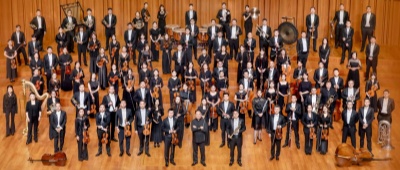 China NCPA Orchestra
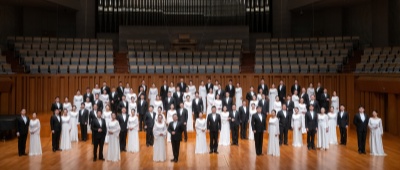 China NCPA Chorus
 NCPA Resident Singers
 NCPA Drama Ensemble
 Buildings
Exhibitions
Buildings
Exhibitions
 Opening Hours
Services
Opening Hours
Services
 Western Cuisine
NCPA Café
Arts Gifts
Western Cuisine
NCPA Café
Arts Gifts



 This page provides performance information only.

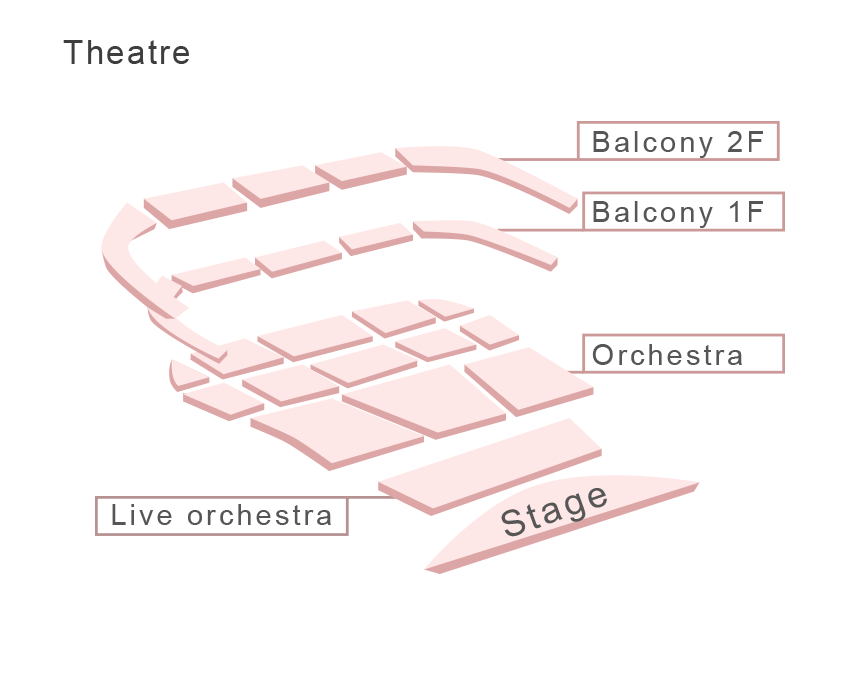 戏剧场
戏剧场
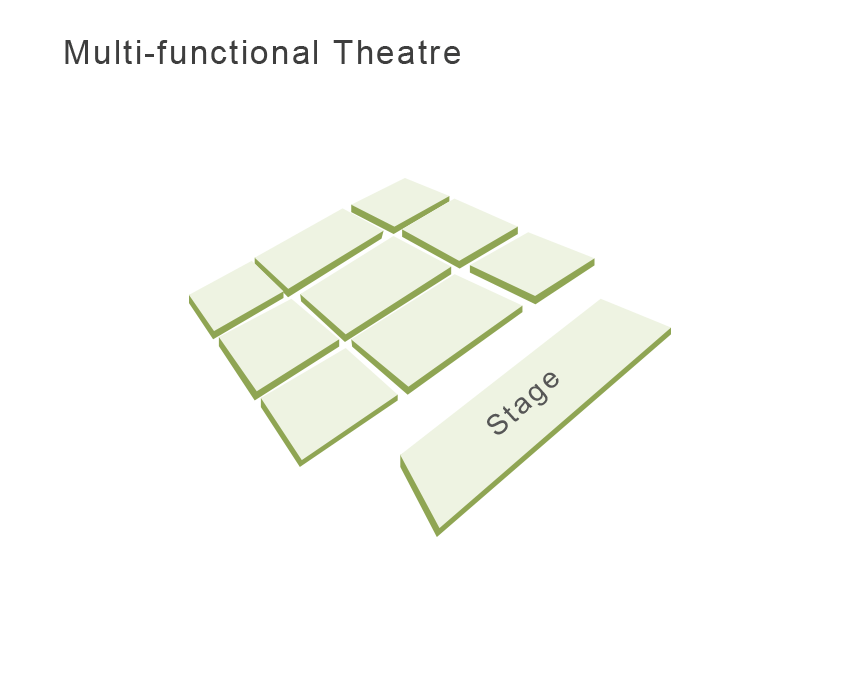 小剧场
小剧场
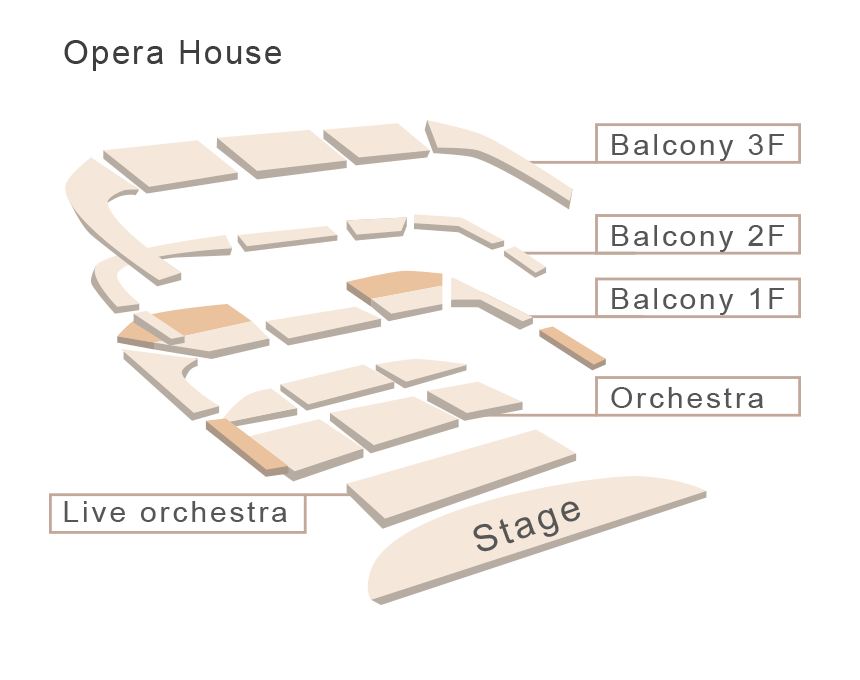 歌剧院
歌剧院
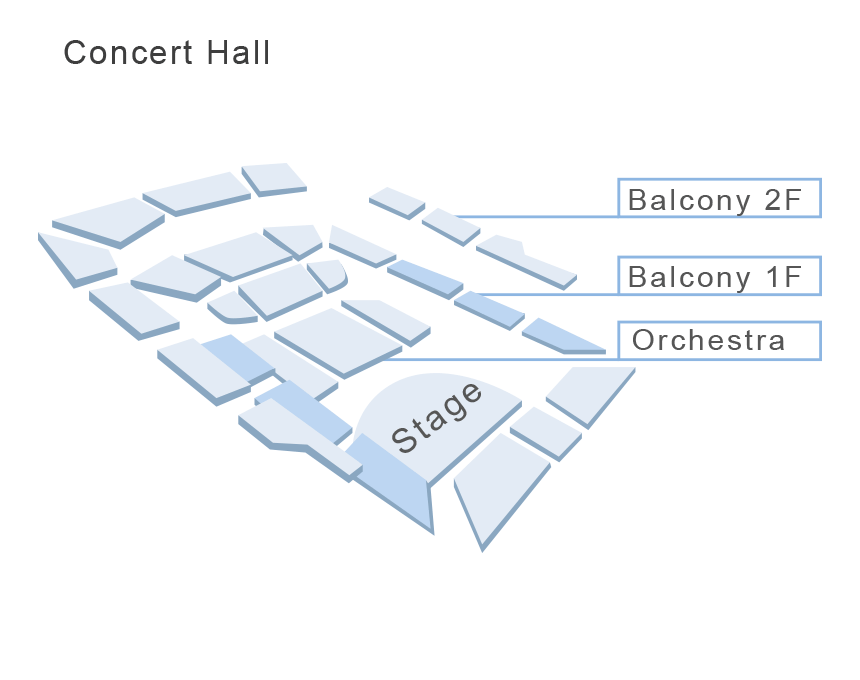 音乐厅
音乐厅