-
About
-
Composer
-
Programme
-
Conductor
-
Artist
-
Presenter
Guidance
The detailed information will be coming soon. Click our Full Calendar and explore more performance in NCPA.
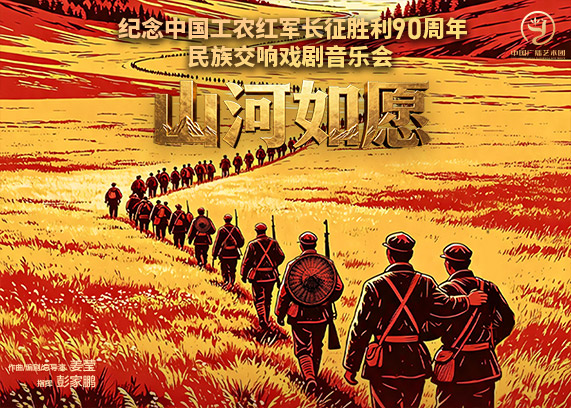
As the Mountains and Rivers Wish is a large-scale Chinese symphonic drama commission concert centering on epic narrative of the 25,000-li Long March. Structured around the historical trajectory of the Central Red Army’s expedition, this work unfolds a sweeping revolutionary panorama through meticulously curated episodes: Departure from Yudu, Bloody Battle at Xiangjiang River, Zunyi Conference, Four Crossings of Chishui River, Yihai Alliance, Fighting the Way across Dadu River, Capture of Luding Bridge, Arduous Trekking across Snow-clad Mountains and Marshy Grasslands, Arrival in Northern Shaanxi, and Joining Forces at Huining. Collectively, these important historical scenes comprehensively reconstruct the Red Army’s extraordinary journey marked by resilience, sacrifice, and unwavering conviction, profoundly demonstrating core tenet and enduring vitality of the Long March Spirit.
Innovatively integrating music and drama, the concert pioneers in a unified stage format wherein instrumentalists, vocalists and drama performers jointly play roles on the stage. Speaking parts, theatrical performance, choral singing and other diverse artistic elements are seamlessly interwoven in Chinese orchestra. Beyond chronicling pivotal historical milestones, this production offers a reflective dialogue across time and space by incorporating contemporary interpretive perspectives, eulogizing continuous transmission of the Long March Spirit. As both an artistically rigorous revolution masterpiece and an effective vehicle for ideological education, the concert exemplifies the Party building practice in the cultural domain, with an aim to become a landmark literary and artistic achievement of the new era, inspire audiences to internalize the spirit of steadfast perseverance and proactive advancement, and embark upon the new journey of national rejuvenation with renewed conviction and resolve.
Composer / Scriptwriter / Chief Director: JIANG Ying
Conductor: PENG Jiapeng
Banhu Solo: JIANG Kemei
Performance: China Broadcasting Chinese Orchestra
Chorus: China National Symphony Orchestra Chorus
Host: China Broadcasting Art Troupe
Co-organizer: Shanghai National Musical Instruments Factory Co., Ltd.
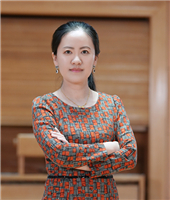
JIANG Ying
JIANG Ying is a first-class composer, currently composer-in-residence at the China National Symphony Orchestra. She graduated with a master’s degree from the Shanghai Conservatory of Music in 2010. That same year, she joined the Shanghai Chinese Orchestra as composer-in-residence. In 2013, she took up the post of composer-in-residence at the China National Traditional Orchestra.
Her representative works include Chinese orchestral works The Silk Road and Impressions Chinese Music: Grand Melody, Chinese chamber work Dunhuang, Chinese music dramas Impressions Chinese Music and Rediscover Chinese Music, orchestral works Hymn to Life and Dedication, Ode to the Years for violin and orchestra, and cultural tourism performances, Ancient Sound of Dunhuang and Forever Together. In 2017, she created the world’s first Chinese instrumental drama, Xuanzang’s Journey to the West, for which she served as the composer, playwright and director, successfully establishing “Chinese instrumental theatre” as a new theatre genre.
Her works have won numerous accolades at home and abroad, including the First Prize in the “18th National Music Competition” (Wenhua Awards), the highest national award for composition, “Xinyi Cup” Gold Award for Chinese National Orchestral Work by Young Composer, organised by the Department of Arts of the Ministry of Culture and Tourism and China Nationalities Orchestra Society, and Young Composer Award by the Ministry of Culture and Tourism.
Her commissioned works, Impressions Chinese Music, Rediscover Chinese Music, Xuanzang’s Journey to the West and Impressions·Rediscover Chinese Music (concert version), have been staged at leading venues venues in China and abroad, including the NCPA, Hong Kong Cultural Centre, Kennedy Center, Carnegie Hall, Teatro Mayor Julio Mario Santo Domingo in Bogota, Telcel Theatre in Mexico City, Teatro Juárez México, Palacio de Bellas Artes in Mexico, Lucerne Culture and Congress Centre, Tiroler Festspiele Erl, Brucknerhaus Linz, Munich Kammerspiele, Konzerthalle Bamberg, Hessisches Staatstheater Wiesbaden, Müpa Budapest, Sadler’s Wells Theatre in London, and Esplanade - Theatres On the Bay, receiving wide acclaim from audiences and critics worldwide.
Parting at the River—Dizi, Soprano, Chorus and Chinese Orchestra
Mother: WANG Xiaoying, soprano
Elder Red Army Brother: ZHANG Hui, qudi
Younger Red Army Brother: CHENG Yihua, bangdi
Light of Cold Night—Drama and Chinese Orchestra
CHEN Shuxiang (Commander of the 34th Division of the Red Fifth Corps): HE Hongyu, drama
GAO Chunlin (Company Commander of the 34th Division of the Red Fifth Corps): WEN Zhou, drama
Battalion commander of KMT Security Corps: MAI Long, drama
Trusted Follower to battalion commander of KMT Security Corps: TANG Zihao, drama
Sparking Stars—Suona, Lusheng and Chinese Orchestra
Red Army Soldier: ZHOU Yixiang, suona
Girl of the Miao Ethnic Group: WANG Xiaomei, lusheng of the Miao Ethnic Group
Storming Iron-wall Passes—Male Trio and Chinese Orchestra
The CPC and Red Army Leader: XU Sen, tenor
The CPC and Red Army Leader: LIU Yang, baritone
Alliance by Yihai Lake—Chinese Folk Music Ensemble
Shamaerge, Person of the Yi Ethnic Group from Daliang Mountain in Sichuan: WU Genghua, drama
Red Army Soldier: FENG Chaohong, pipa
Red Army Soldier: CHENG Yihua, dizi
Red Army Soldier: YANG Yi, zhonghu
Red Army Soldier: NIE Yilin, erhu
Red Army Soldier: BA Yuchen, guzheng
Person of the Yi Ethnic Group: CUI Junmiao, yueqin
Person of the Yi Ethnic Group: DONG Miao, suni drum
Person of the Yi Ethnic Group: WAN Yi, hure
Person of the Yi Ethnic Group: BAI Haoyuan, jew's harps
Tiding over Dangerous Rapids—Tenor, Chorus and Chinese Orchestra
Boatman: YONG Jianjun/DENG Chaoran, tenor
——Intermission——
Trials of the Long March—Poem Recitation, Chorus and Chinese Orchestra
Red Army Commander: WU Pan, tenor
Red Army Commander: XU Sen, tenor
Red Army Commander: LIU Yang, baritone
Female Red Army Soldier: CAI Fang, soprano
Contemporary Young Person: LIU Mingjun, soprano
Contemporary Young Person: WEN Zhou, drama
Overcoming Natural Barriers—Drama and Chinese Orchestra
Forest Ranger: LIU Bojun, drama
Full of Joy—Banhu, Chorus and Chinese Orchestra
Time Observer: JIANG Kemei, banhu
Younger Red Army Brother: CHENG Yihua, bangdi
New Journey—Chorus and Chinese Orchestra
Instrumentalists:
Elder Red Army Brother: ZHANG Hui, qudi
Younger Red Army Brother: CHENG Yihua, bangdi
Red Army Soldier: ZHOU Yixiang, suona
Girl of the Miao Ethnic Group: WANG Xiaomei, lusheng of the Miao Ethnic Group
Vocalists:
Mother: WANG Xiaoying, soprano
Red Army Commander: WU Pan, tenor
Red Army Commander: XU Sen, tenor
Red Army Commander: LIU Yang, baritone
Boatman: YONG Jianjun/DENG Chaoran, tenor
Female Red Army Soldier: CAI Fang, soprano
Contemporary Young Person: LIU Mingjun, soprano
Drama Performers:
CHEN Shuxiang (Commander of the 34th Division of the Red Fifth Corps): HE Hongyu, drama
GAO Chunlin (Company Commander of the 34th Division of the Red Fifth Corps): WEN Zhou, drama
Battalion commander of KMT Security Corps: MAI Long, drama
Trusted Follower to battalion commander of KMT Security Corps: TANG Zihao, drama
Shamaerge, Person of the Yi Ethnic Group from Daliang Mountain in Sichuan: WU Genghua, drama
Forest Ranger: LIU Bojun, drama
Instrumental Ensemble:
Red Army Soldier: FENG Chaohong, pipa
Red Army Soldier: CHENG Yihua, dizi
Red Army Soldier: YANG Yi, zhonghu
Red Army Soldier: NIE Yilin, erhu
Red Army Soldier: BA Yuchen, guzheng
Person of the Yi Ethnic Group: CUI Junmiao, yueqin
Person of the Yi Ethnic Group: DONG Miao, suni drum
Person of the Yi Ethnic Group: WAN Yi, hure
Person of the Yi Ethnic Group: BAI Haoyuan, jew's harps
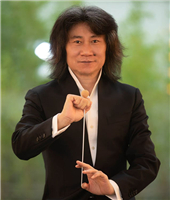
PENG Jiapeng Conductor
PENG Jiapeng is a national first-class conductor who enjoys a government allowance from the State Council, director of the China Musicians’ Association, executive director of the Chinese Nationalities Orchestra Society, talent of the “Four Kinds in the First Batch”, and member of the 13th National Committee of the CPPCC. He has been the Artistic Director and Principal Conductor of the China Broadcasting Chinese Orchestra, China Film Symphony Orchestra, China National Opera and Dance Drama Theatre, China Macao Chinese Orchestra (2003-2016), China Oriental Symphony Orchestra, Oriental Chinese Orchestra and Henan Symphony Orchestra; he has also been the permanent guest conductor of the National Philharmonic of Ukraine, Mozarteum Orchestra Salzburg of Austria, Graz Symphony Orchestra, Busan National Orchestra of South Korea and Czech National Symphony Orchestra. In June 2017, he was appointed as the Artistic Director and Principal Conductor of the Suzhou Chinese Orchestra.
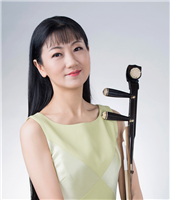
JIANG Kemei Huqin Performer
JIANG Kemei is a famous huqin artist and first-class performer, Honorary Principal of the China Broadcasting Chinese Orchestra, a distinguished professor, doctoral supervisor and Director of the Traditional Instruments Department of Harbin Conservatory of Music, and a guest professor at the Central Conservatory of Music. She is a member of the 13th and 14th Chinese People’s Political Consultative Conference (CPPCC), and one of the “Four Kinds of Talents in the First Batch” by the Publicity Department of the Communist Party of China, enjoying special government allowances from the State Council. She has been awarded the title of “Outstanding Chinese Folk Music Performer” at Xinyi Cup. JIANG Kemei is also Vice Chairperson of the Beijing Musicians Association and Vice President of the National Bowed Strings Society, China Musicians Association.
In terms of huqin performance, JIANG Kemei is bold in exploration and open-minded to other genres of music. She has thus broken the boundaries between different instruments, developing an elegant, exquisite and graceful performing style, a distinctive one in the traditional Chinese music scene.
JIANG Kemei has given huqin recitals at the NCPA, Beijing Concert Hall, Carnegie Hall and other venues. She has premiered a lot of huqin pieces, including Beijing Impressions and Farewell to My Concubine, by partnering with dozens of Chinese and foreign orchestras including the China Philharmonic Orchestra, China National Symphony Orchestra, Russian State Symphony Orchestra and Ottawa Symphony Orchestra.
JIANG Kemei has attended many international events as a guest, such as the “Cannes Film Festival”, “Prague Spring International Music Festival”, “Opening Gala of 2008 Olympic Cultural Festival”, and “APEC 2014 Gala”, and given performances in over 60 countries, including at the Wiener Musikverein and United Nations General Assembly Hall, earning herself an international reputation.
JIANG Kemei also appears regularly in major performances and recording events held at home. She has recorded huqin music for such film and TV works as Not One Less and Drawing Sword. Her work Concubine YU has garnered the National City TV Gold Award several times. She has composed pieces such as Peach Blossoms in Full Bloom and released solo albums including The Chinese Banhu, Strings of Love and Farewell to My Concubine.
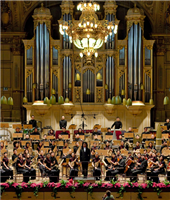
China Broadcasting Chinese Orchestra
Founded in 1949, China Broadcasting Chinese Orchestra is a national orchestra as one of the five sub-organizations of the China Broadcasting Performing Arts Troupe. The Orchestra enjoys a great reputation at home and abroad with its long and distinguished history, high artistic standards and managerial excellence.
The Orchestra has an imposing performing lineup of nearly 100 members. Over the past seven decades, under the active advocacy and unremitting efforts of Mr. PENG Xiuwen, a famous conductor and composer in China, the Orchestra has taken the lead in establishing a basic framework unique to Chinese orchestras, comprising bowed stringed instruments, plucked stringed instruments, wind instruments and percussion instruments. It has contributed significantly to the continuous development and scientific improvement of Chinese traditional orchestras. The structure of the Orchestra has been widely adopted by many Chinese orchestras at home and abroad.
For over 70 years, the Orchestra has brought inspiration, motivation and beauty to the public with its enriching artistic practices and diverse performances. Many of the works composed and performed by the orchestra have become enduring classics. It has participated in the recording of thousands of films, TV programmes, radio programmes, tapes and CDs, making its due contribution to the radio, film and television industries in China. With its more than seventy years of artistic achievements, the orchestra has trained and nurtured many artists, constantly producing famous conductors, composers and performers well-received by audiences.
In recent years, the China Broadcasting Chinese Orchestra has successively launched a series of excellent music commissions, such as the large-scale national symphonic epic Rise, large-scale national symphony Nine Bends of the Great River (selected for the 2022-2023 “Symphony of the Times” Chinese Symphony Creation Support Programme by the Ministry of Culture and Tourism, and funded by the China National Arts Fund in 2023), large-scale national symphony concert Memories of Chinese Music, large-scale national symphonic opera commission The Mogao Grottoes (funded by the Beijing Culture and Arts Fund in 2017), and others.
As a famous brand of Chinese music and a symbol of Chinese culture, the China Broadcasting Chinese Orchestra has demonstrated to the world the richness of Chinese history and culture with its extraordinary expressive and infectious performances. The Orchestra has given many performances in Asia, Europe and the Americas, visiting more than 70 countries and regions around the world. It has made unremitting efforts and outstanding contributions to the promotion of cultural exchanges and friendship with the rest of the world, and to the introduction of Chinese culture and art to an international audience.
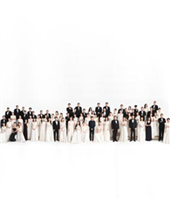
China National Symphony Orchestra Choir
The China National Symphony Orchestra Choir, formerly known as Central Philharmonic Chorus, is affiliated to the China National Symphony Orchestra. The older generation of artists, including the musician LI Ling, conductor YAN Liangkun and chorus master QIU Li, made significant contribution to the establishment and development of the Choir. Its current principal conductor is WANG Linlin.
In the 1950s, when it had just come into being, the China National Symphony Orchestra Choir cut a striking figure in a chorus competition held at the World Festival of Youth and Students on behalf of China and received the Gold Award, winning glory for the motherland. In 1959, the Choir gave the successful China premiere of Beethoven’s Symphony No. 9 “Choral”. After the beginning of the reform and opening-up, the Choir travelled far away across the sea, touring the Philippines, Singapore, Malaysia, the United States and Canada. They also attended the Third World Symposium on Choral Music in Vancouver, where they performed classic Chinese choral works, achieving a great success. According to the international music community, they were no inferior to any of the world’s top choirs in terms of choral singing and voice training, and they sang in amazingly beautiful voices. As a cultural ambassador, the Choir has steadily expanded its exchange with the international choral community since the beginning of the 21st century. They have visited over a dozen countries, including Germany, Austria, Italy, Thailand and Australia, gaining wide praise from both industry insiders and local audiences. In 2011, the Choir was invited to Italy for cooperation with Antonio Pappano, a world-renowned conductor. They worked together in performing Mahler’s Symphony No. 8 for three times at the Auditorium Parco della Musica (Sala Santa Cecilia) in Rome, receiving enthusiastic acclaim for their virtuosity. In 2024, the Choir cooperated with the Riccardo Muti Italian Opera Academy in giving a concert of the opera Cavalleria Rusticana, which was the first programme to be put on in China by this Academy. Their brilliant rendition of the arias was highly appreciated by Maestro Muti and widely acclaimed by critics.
The China National Symphony Orchestra Choir is duty-bound to perform on important state and diplomatic occasions. So far it has made outstanding contributions to China-foreign cultural exchange by performing at “Beautiful China & Glorious Dream”, a concert given to celebrate the 65th Anniversary of the Founding of the P.R.C., at an evening gala held to commemorate the 70th anniversary of the victories of the Chinese People’s War of Resistance against Japanese Aggression and World Anti-Fascist War, at Eternal Faith, a concert given to celebrate the 95th Anniversary of the Founding of the Communist Party of China, at Enduring Memories of Hangzhou, an evening gala held at the G20 Summit, at Our Forty Years, an evening gala held in 2018 to celebrate the 40th Anniversary of the Reform and Opening-up, in Stride Forward, the Nation, a music and dance epic staged to celebrate the 70th Anniversary of the Founding of the P.R.C., in Love for Haojiang River & China Heart, a theatrical performance put on to celebrate the 20th Anniversary of Macao’s Return to China, in The Great Journey, a large-scale situational epic staged to celebrate the 100th Anniversary of the Founding of the Communist Party of China (including all choral recordings and important warm-up performances thereof), at symphony concerts held to celebrate the 101st, 102nd, 103rd and 104th Anniversaries of the Founding of the Communist Party of China, in a theatrical performance held at the Third “Belt and Road” Forum for International Cooperation, at a concert given to celebrate the 75th Anniversary of the Founding of the P.R.C., in joint performances and events held at the Opening Ceremony of the “Year of China-North Korea Friendship”, at the evening gala and reception party held on the 80th anniversary of the victories of the Chinese People’s War of Resistance against Japanese Aggression and World Anti-Fascist War, and others.
With over seven decades of artistic practice, the Choir has developed a distinctive style of its own that is plain yet elegant and grandiose yet exquisite. They can accurately interpret different styles of choral works composed in different times. In their repertoire are many Chinese and foreign masterpieces, such as The Yellow River Cantata, symphonic work Shajiabang, Beethoven’s Symphony No. 9, Mahler’s Symphony No. 8, Mozart’s Requiem, and Orff’s Carmina Burana. The Choir has achieved brilliant achievements in opera performance, too, by performing in numerous well-known Chinese and international operas, including Sister JIANG, The Ballad of Mulan, La Traviata, Carmen, La Bohème, Tosca, Aida, Turandot, Der Fliegende Holländer, Cavalleria Rusticana, and others.
The Choir is active at the grassroots level all year round - by “plunging into the thick of life and taking root among the people”, it has made significant contributions to enriching the people’s cultural life. Adhering to the tenet of nurturing the root and soul of the nation, with a view to promoting cultural inheritance and innovation, the Choir will strive to hold the banner high, gather popular support, cultivate new talents, revitalise the culture and burnish the image, so as to create more insightful, artistically excellent and well-conceived masterpieces for the people.
*Please purchase tickets through authorized channels to avoid counterfeiting. Before completing your purchase, please verify the performance date, time, venue, and seat number carefully. Performance tickets are time-sensitive and limited in availability. Once a transaction has been completed, tickets are non-exchangeable, non-refundable and cannot be reissued if lost. Please double-check all ticketing details and securely retain your physical ticket or electronic order. If you are unable to attend due to personal reasons, please make your own arrangements regarding the use of your tickets. We appreciate your understanding as any inconvenience caused.
*The cast, programme, or other performance details are subject to change and shall be based on the live performance. In the event of major adjustments - such as changes to the performance date or lead cast - please refer to the official announcements issued by the NCPA and follow the relevant procedures as instructed.
*The NCPA opens 90 minutes before performances, and 60 minutes before art education lectures and similar events. Auditorium entry begins 45 minutes before performances. For all performances and events, the Northern entrance serves as the sole public entrance. Please ensure that ticket scanning and security screening are completed prior to entry, and allow sufficient time to avoid delays.
*Tickets must be retained in their original, intact condition. Admission will be denied for tickets lacking a stub, or bearing any alterations, obscured information, or defacement. Each ticket is valid for a single entry on the date of the performance. For certain performances, presentation of original valid identification documents is required. Admission will be granted only when the ticket information corresponds with the presented identification.
*Recommended admission height: 1.2 meters and above. Special provisions may apply to certain performances or events, as indicated on the corresponding ticketing page.
*All attendees are required to undergo security screening upon entry. Smoking and open flames are strictly prohibited within the NCPA premises. Prohibited items include, but not limited to, firearms and replicas, controlled knives, flammable or explosive substances, toxic or hazardous materials, corrosive substances, and radioactive materials. Any prohibited items discovered will be handed over to public security authorities.
*For safety and hygiene reasons, the NCPA does not provide storage services for food, beverages, or similar items. The following items are not permitted inside the NCPA: food and drinks, flags & banners, electronic cigarettes, power banks exceeding 20000mAh, flowers, recording or photography equipment, and oversized luggage.
*Attendees are requested to address appropriately. Admissions will be denied to individuals who are improperly attired or under the influence of alcohol.
*If you are late, please wait quietly in the audience waiting area. Entry will be permitted under the guidance of ushers during appropriate intermissions or between movements, and you are requested to take the nearest available seat with minimal disturbance. For concerts consisting of a single piece - either for the entire performance or a complete half - late arrivals and audience who leave midway will not be admitted.
*All attendees are requested to observe proper performance etiquette. Please keep quiet and remain seated throughout the entire performance. Mobile phones should be turned off or set to silent mode, and calls should not be made in the auditorium. Photography, audio, or video recording of the performance is strictly prohibited without prior permission. The use of flashlights, including phone flashlights, is not allowed.
*After the performance, please exit the auditoriums in an orderly manner. Loitering is discouraged.



 Repertoire
 Films
 Videos
 Podcast
 China NCPA Orchestra
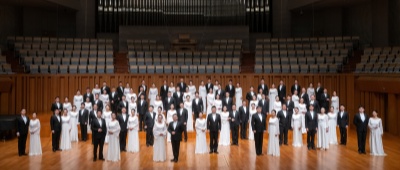 China NCPA Chorus
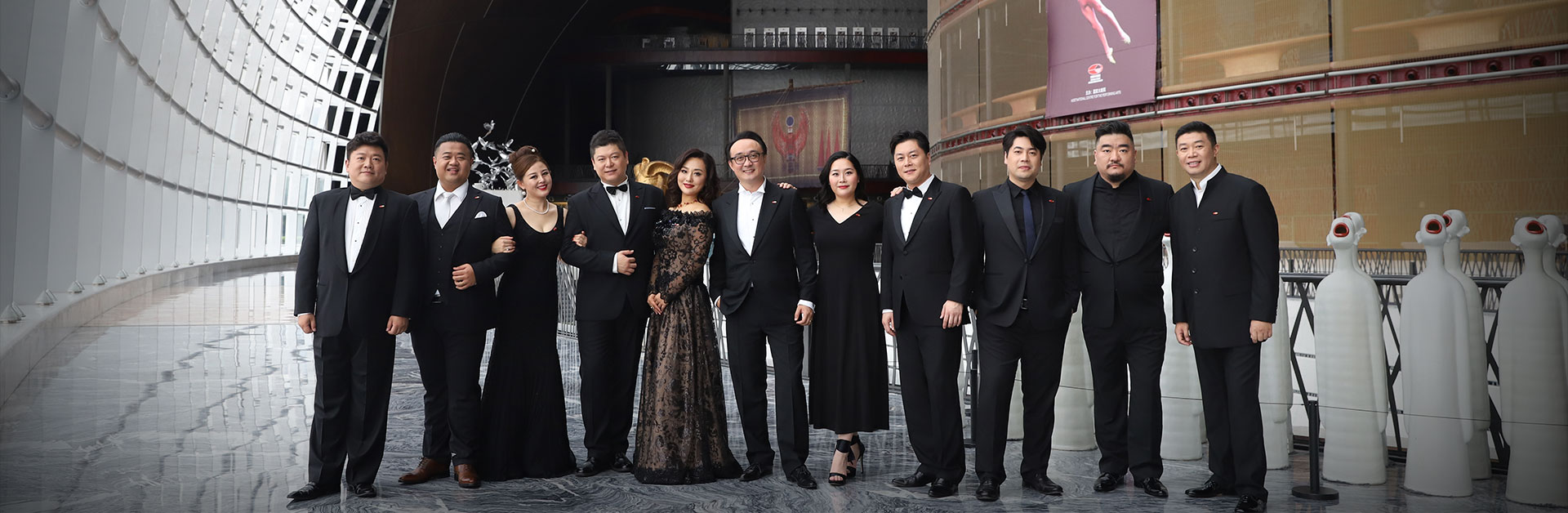 NCPA Resident Singers
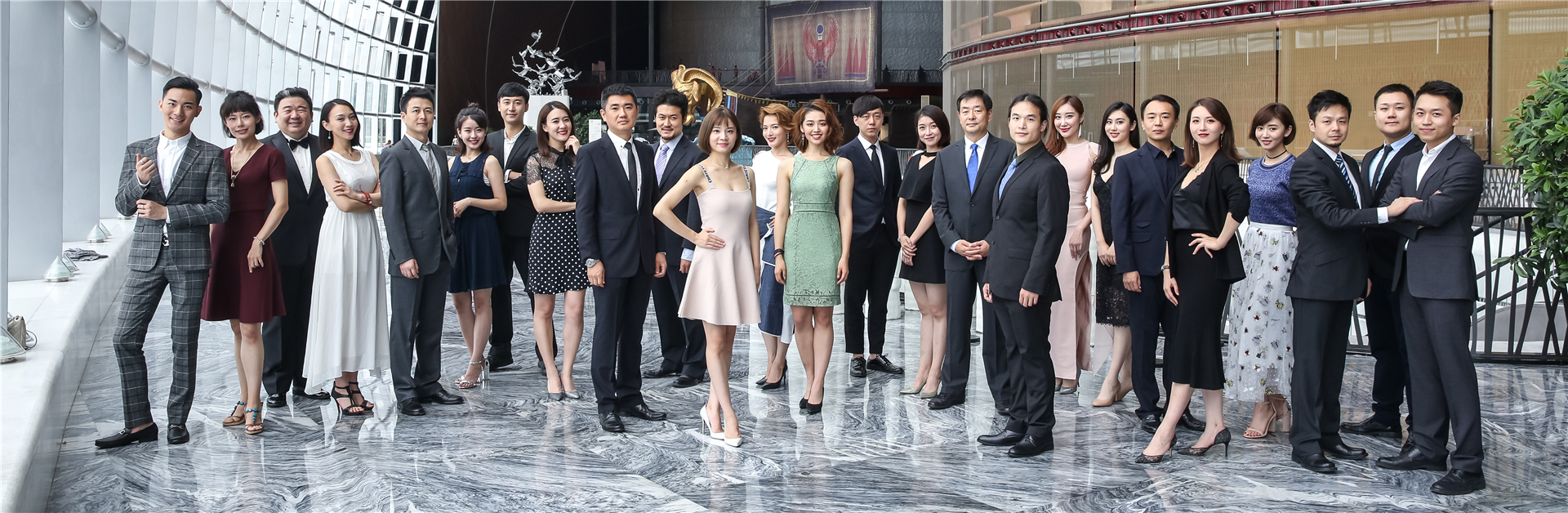 NCPA Drama Ensemble
 Buildings
Exhibitions
 Opening Hours
Services
 Western Cuisine
NCPA Café
Arts Gifts



 This page provides performance information only.


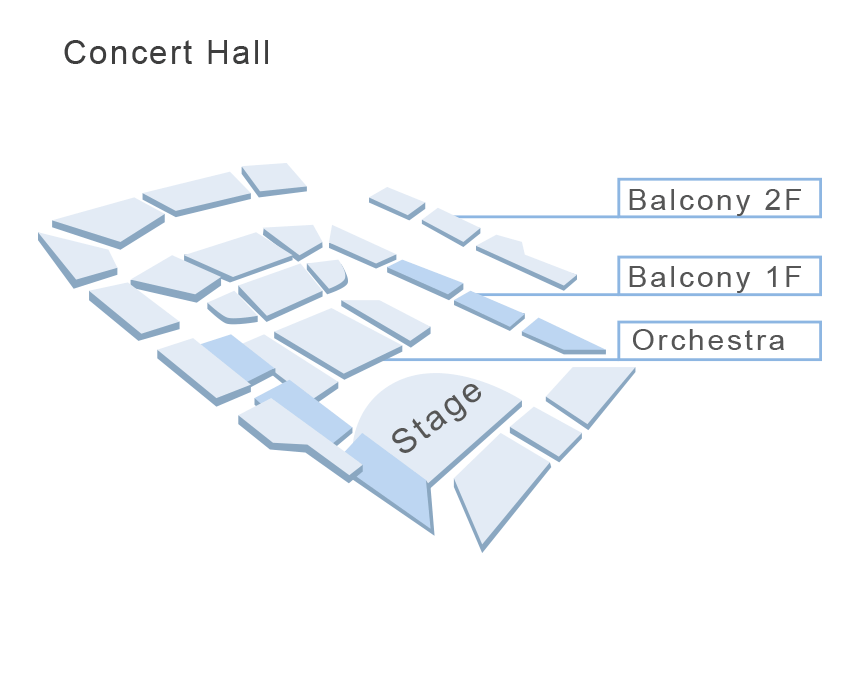 音乐厅
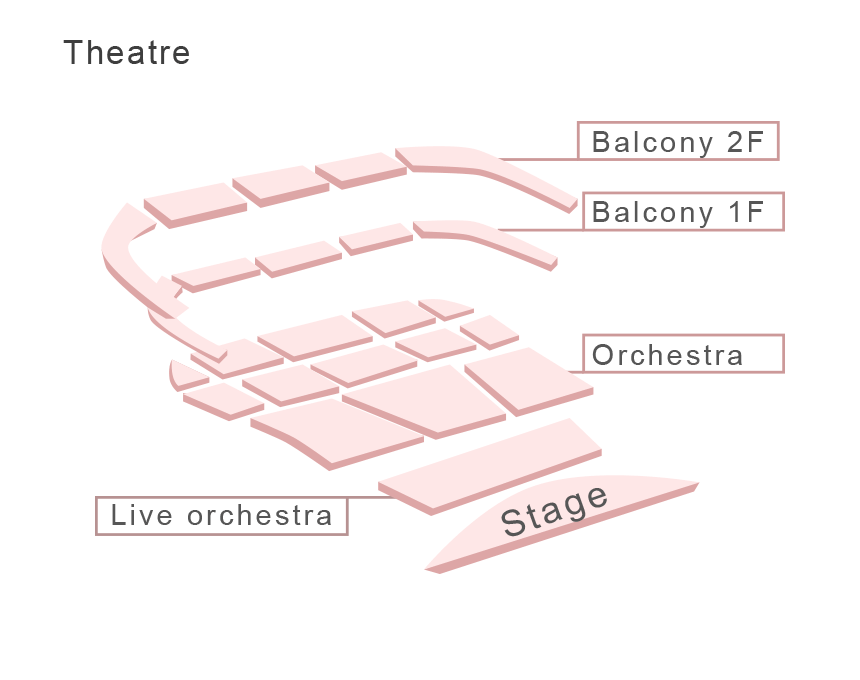 戏剧场
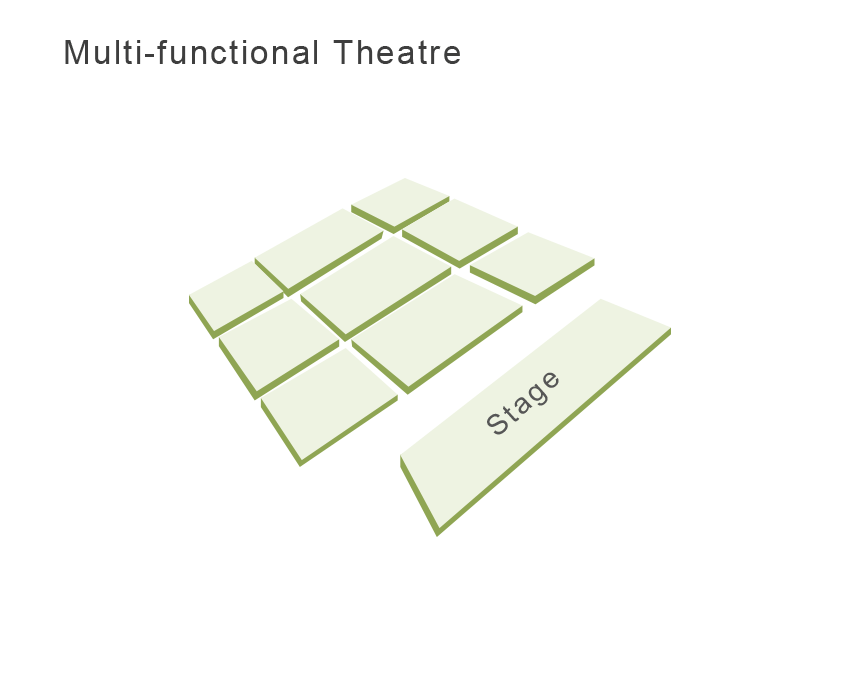 小剧场
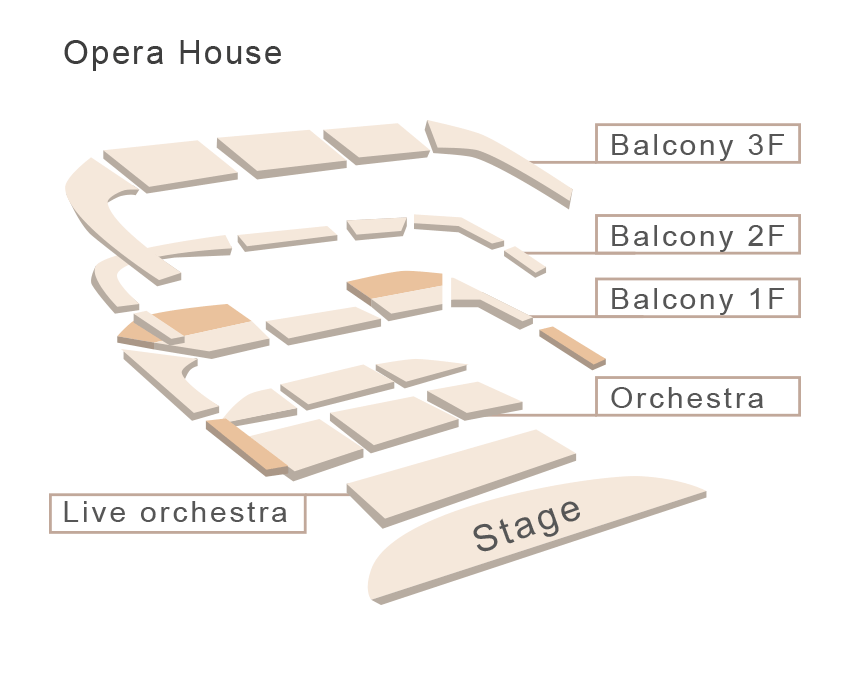 歌剧院