Released in 1947,
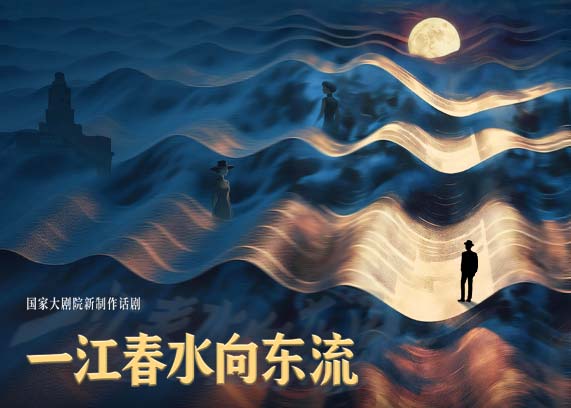
The Spring River Flows East emerged as a landmark of Chinese realist cinema. Spanning the turbulent years from 1931 to 1945, against the backdrop of the Chinese People’s War of Resistance Against Japanese Aggression and its aftermath, the story traces an ordinary family’s separations and reunions amid national suffering and class divisions. In 2026, the National Centre for the Performing Arts (NCPA) brings this cinematic epic to the stage as a distinguished production in its “Classic Film Adaptation Series”. Rooted in poetic realism and Eastern aesthetics, the production fuses contemporary theatre with cinematic montage, honouring the original’s spirit of social critique while inviting reflection on history and humanity.
On August 24th, the NCPA held a media preview for its new production of the stage play The Spring River Flows East. This marks the third installment in the NCPA’s “Classic Black-and-White Film Adaptation” series. The upcoming run will be led by WANG Ban, who wrote, directs, and stars in the production, alongside a stellar cast including ZENG Li, YU Mingjia, CHENG Lisha, DING Yongdai, and the NCPA Drama Ensemble.
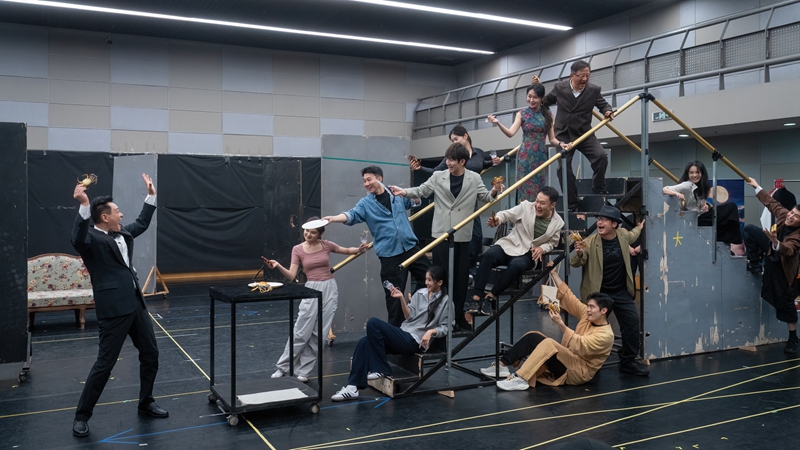
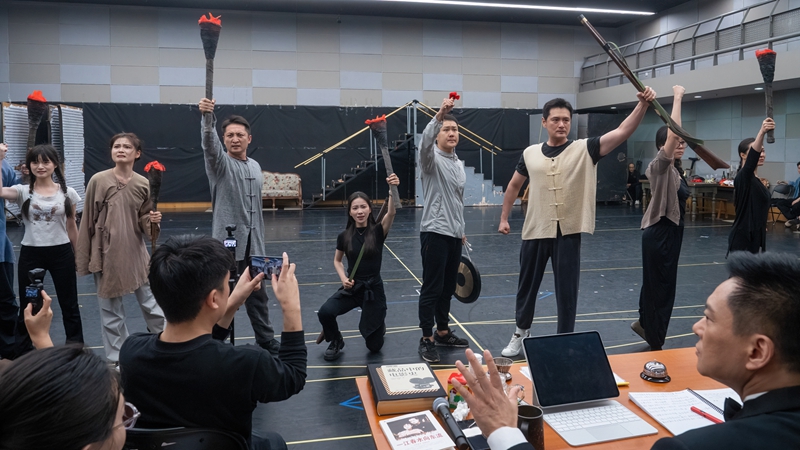
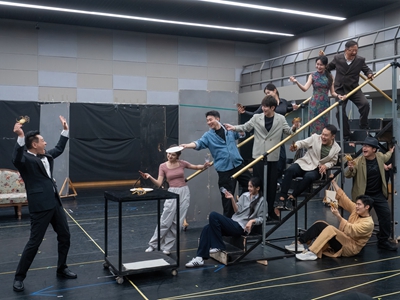
During the media preview, the creative team carefully presented five rehearsal excerpts full of dramatic tension. Scenes of luxury and hardship were interwoven, drawing the audience deeply into the the story’s emotional ups and downs.
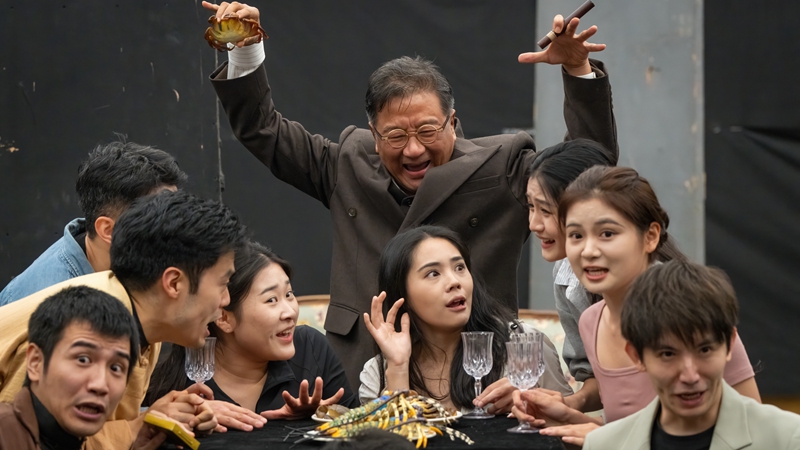
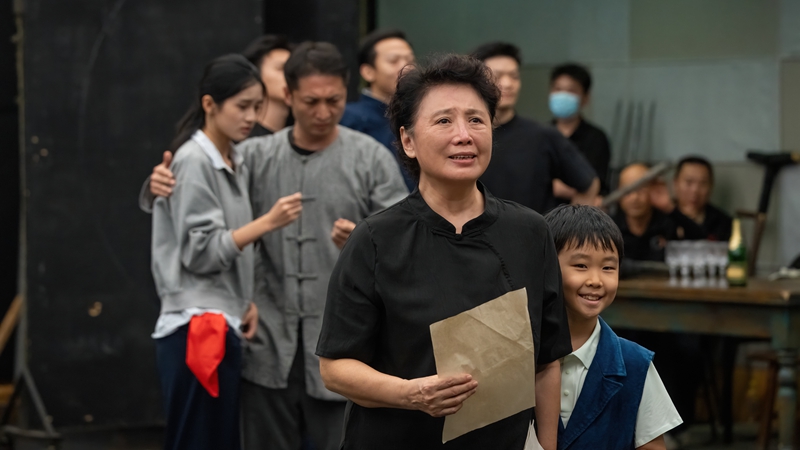
The first excerpt showcased a scene set in WANG Lizhen’s lavish residence in Chongqing. The stark contrast between “the front lines are starving while the rear areas feast” was vividly portrayed. The actors created an atmosphere of extravagant decadence, filled with laughter and revelry. Meanwhile, Sufen struggles to survive in a Shanghai refugee camp. Director WANG Ban explained, “At that time, these comprador families were feasting on crabs and lobsters airlifted from thousands of miles aboard, monopolizing precious cargo resources to indulge themselves in Chongqing. Placed in such circumstances, ZHANG Zhongliang’s soul is torn by extreme inner conflict.” It was an environment in which his soul gradually surrenders to desire.
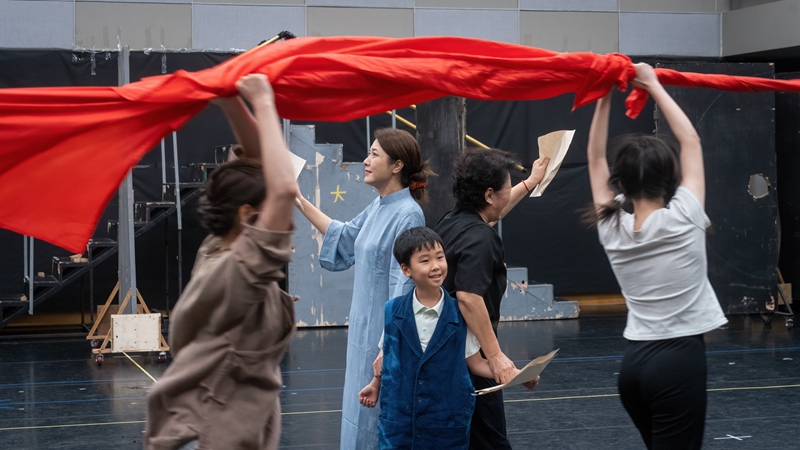
ZENG Li then performed Sufen’s monologue from the refugee camp. With a restrained yet deeply affecting performance, she expressed Sufen’s longing for her husband and recounted years of her hardship. Director WANG Ban remarked, “Sufen represents the quintessential kind-hearted Chinese woman. Her forbearance and resilience shine through in this scene. Against the grand backdrop of the 14-year Chinese People’s War of Resistance Against Japanese Aggression, countless ordinary families were torn apart. Sufen holds her family together with her frail body, yet she remains optimistic and hopeful, yearning for the return of the man to whom she once pledged her heart beneath the moonlight. This classic film does not only belong to the past — it also holds a mirror to the present.”
The five excerpts were uniformly compelling. All the actors were fully focused and completely immersed in their roles. They brought to life both the opulent masquerade balls of high society and the impassioned scenes in rural Danyang, where the old schoolmaster and ZHANG Zhongmin inspire villagers to take up arms against the enemy. From glamorous and depraved urban life to rural flames of war, the vignettes painted a vivid picture of ordinary people’s struggles and awakening in a time of chaos. The media preview concluded with the actors’ explosive performances, leaving the rehearsal hall echoing with the melancholy and power of that era.
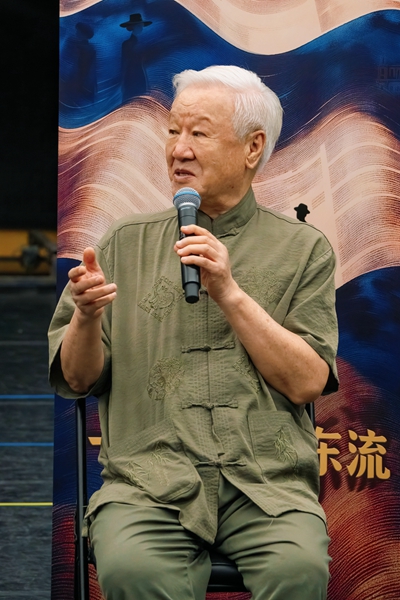
Notably, XIE Fei, a leading figure of China’s fourth generation of film directors, attended the rehearsal as a special guest. He shared his thoughts with heartfelt excitement: Having watched all five excerpts, he was deeply moved, found them brilliant, and was already eager to see the full play. “The Spring River Flows East holds an irreplaceable place in Chinese cinema history,” he said, “After watching today’s rehearsal, I can feel the ‘vitality’ in your performances. As Director WANG Ban said, theatre is ‘the art of living people portraying living people for living people’ — what it demands is genuine emotions that resonate between the stage and the audience. Having watched the rehearsal today, I am very much looking forward to the full production.”
The NCPA’s production of The Spring River Flows East will premiere at the Theatre from September 26th to October 4th.



 Repertoire
 Films
Films
 Videos
 Podcast
 China NCPA Orchestra
 China NCPA Chorus
 NCPA Resident Singers
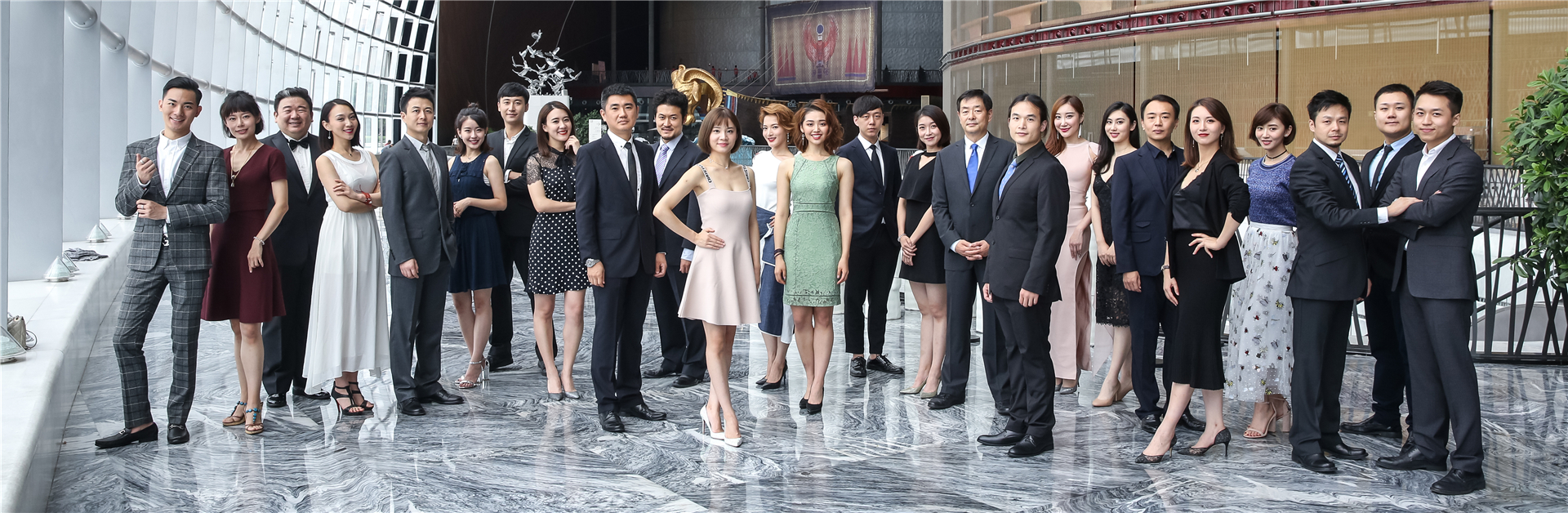 NCPA Drama Ensemble
 Buildings
Exhibitions
Buildings
Exhibitions
 Opening Hours
Services
Opening Hours
Services
 Western Cuisine
NCPA Café
Arts Gifts
Western Cuisine
NCPA Café
Arts Gifts