Not winter, but light. This November, the Mariinsky gave Beijing a string of unforgettable nights—orchestra, opera, and Petipa's The Sleeping Beauty among them.
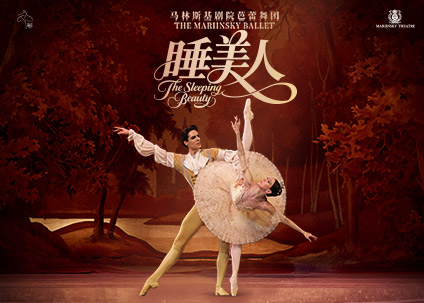
Following the Marrinsky Theatre's recent symphonic concerts at the NCPA and its opera Tosca co-produced with the NCPA while staged at the BPAC, the Mariinsky Ballet returned to the NCPA with The Sleeping Beauty on November 12th.
With music by Pyotr Ilyich Tchaikovsky and choreography by Marius Petipa,
The Sleeping Beauty stands as the most sumptuous of their collaborations, hailed as "the encyclopedia of classical ballet." It was at the Mariinsky Theatre that the work first saw the light of day in 1890. More than 130 years on, the Mariinsky remains one of the ballet's most authoritative interpreters — not only for its strict adherence to classical ballet's standards, but also for a full-length production nearly four hours.
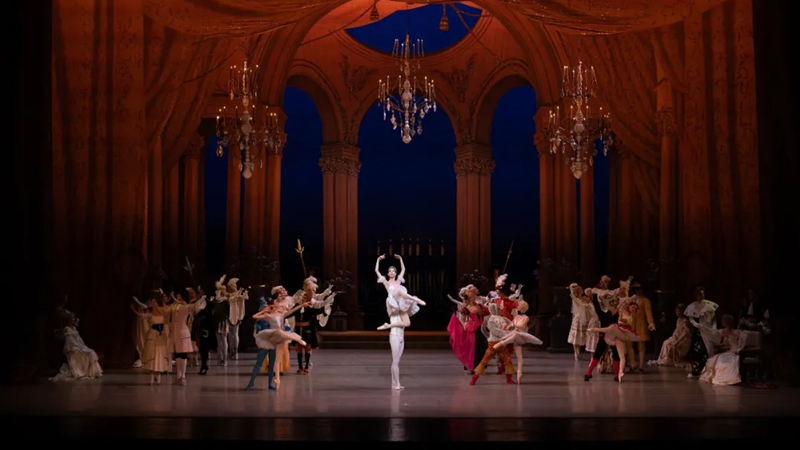
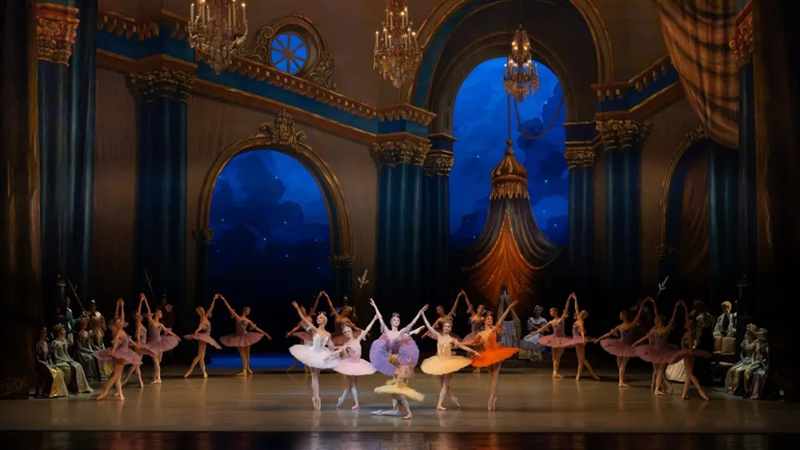
Lavish sets, exquisite costumes, a stage filled with dancers — together they made for a visual and musical feast that left the audience breathless. On the opening night, under the baton of Arseny Shuplyakov, the Mariinsky Orchestra drew a brilliant, luminous sound from the pit, unveiling a romantic fairy-tale world.
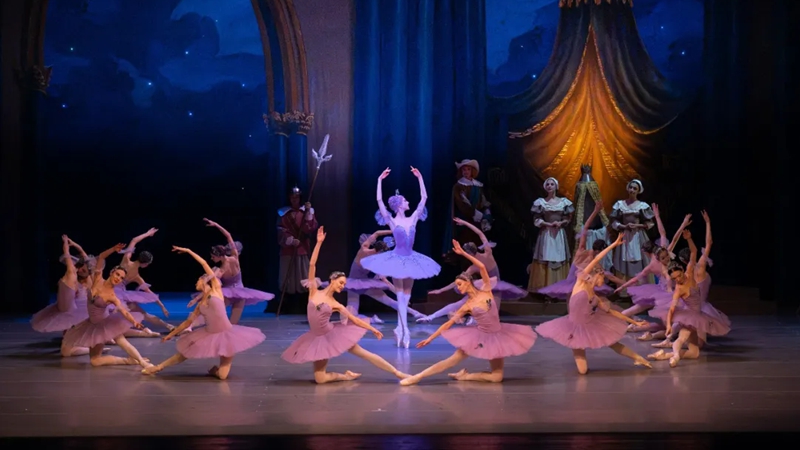
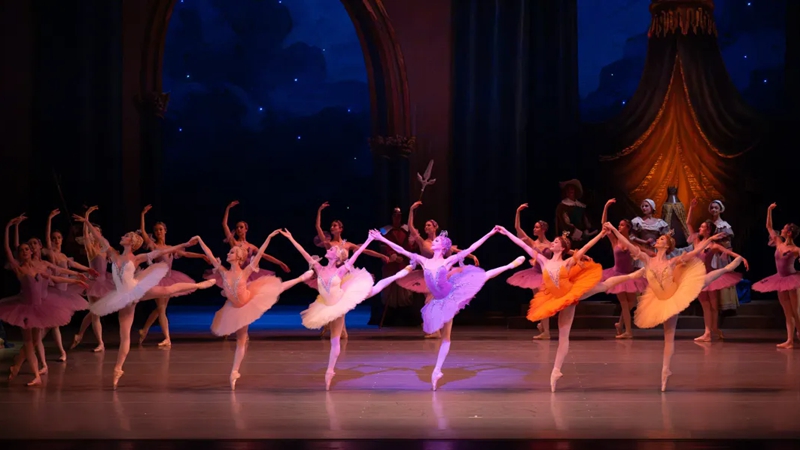
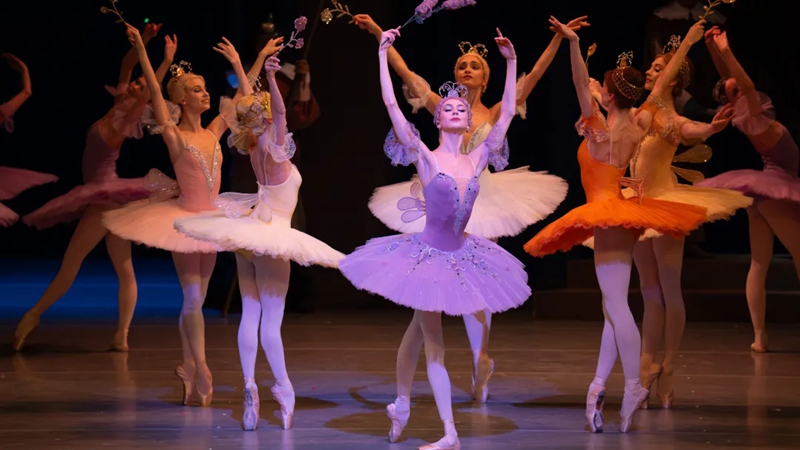
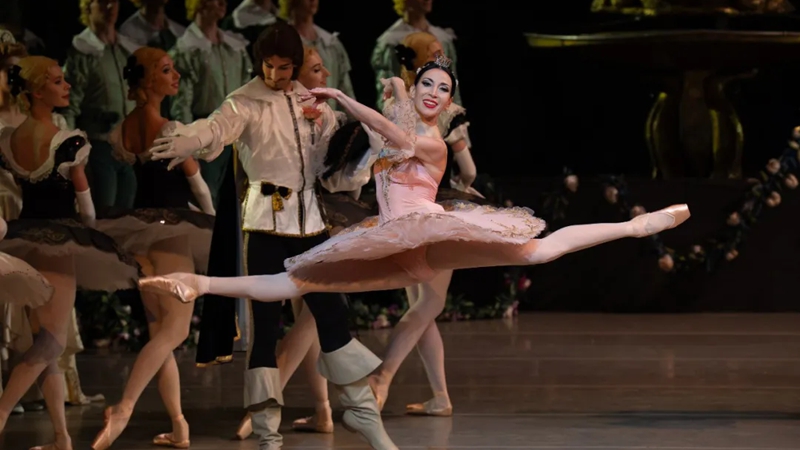
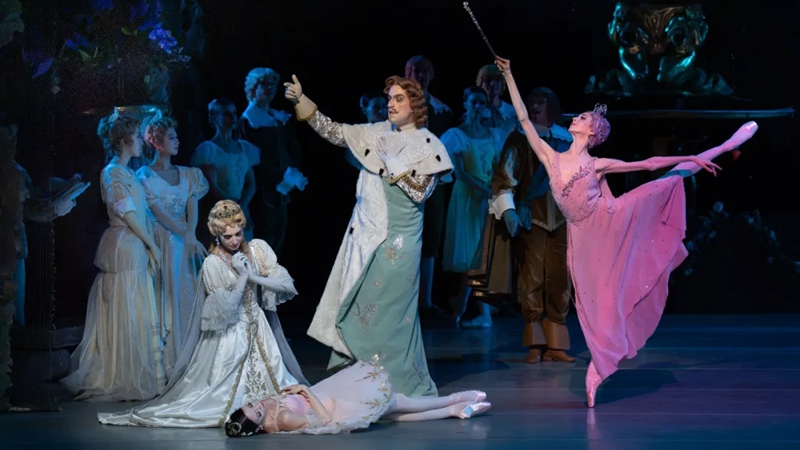
As the majestic palace gates slowly swung open, guests thronged the celebration of Princess Aurora's birth in a profusion of splendid attire, amid the joy of a new life. The fairies filed in one after another in vividly coloured gowns and, led by the Lilac Fairy, offered blessings to the little princess through dances of distinct character—tender, playful, generous and brave.
Valeria Kuznetsova's Lilac Fairy — tall of figure, elegant in bearing — moved with a flowing, expansive grace that made the character's sacred aura radiate across the stage.
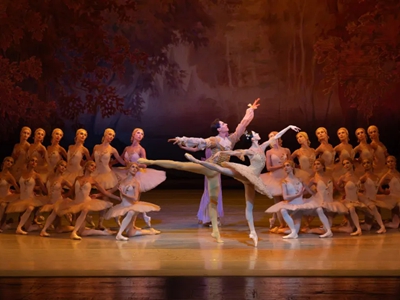
Each of the six fairies then took her own sparkling variation, meeting choreography of real difficulty with superb execution. Yet the prophecy of the wicked fairy Carabosse cast a shadow over the little princess's fate.
As Act I opened, Princess Aurora celebrated her sixteenth birthday to the graceful strains of the Garland Waltz. The moment principal dancer Viktoria Tereshkina appeared as Aurora, the audience broke into warm applause — a sign of the affection Chinese audiences hold for her.
Then came Carabosse, true to her curse. A spindle’s point pricked the princess’s finger, and the Lilac Fairy softened the death sentence into a deep sleep—leaving Aurora to await the one thing that could set her free: love.
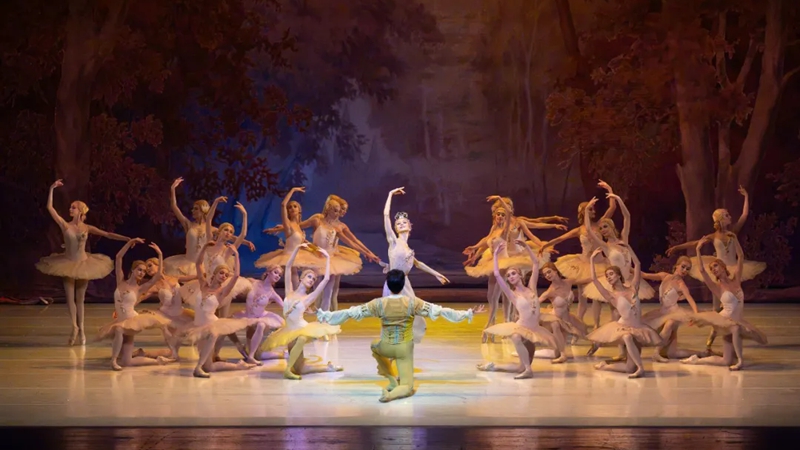
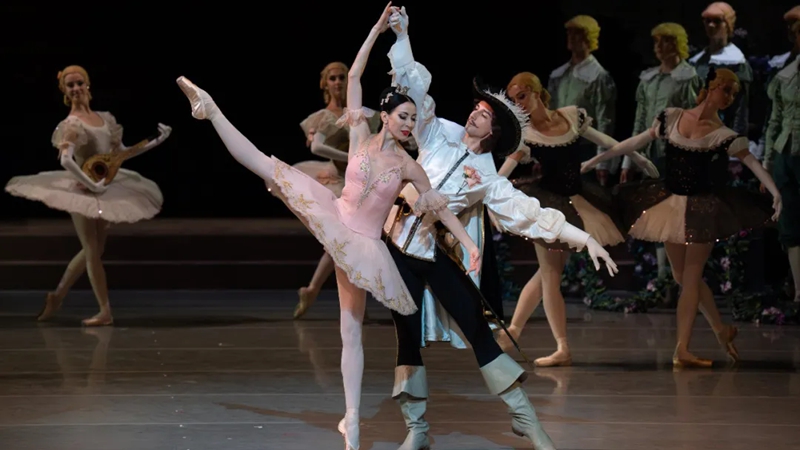
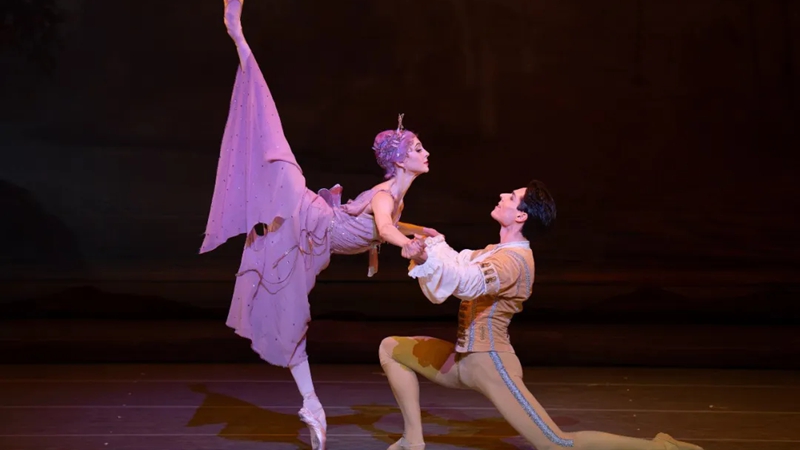
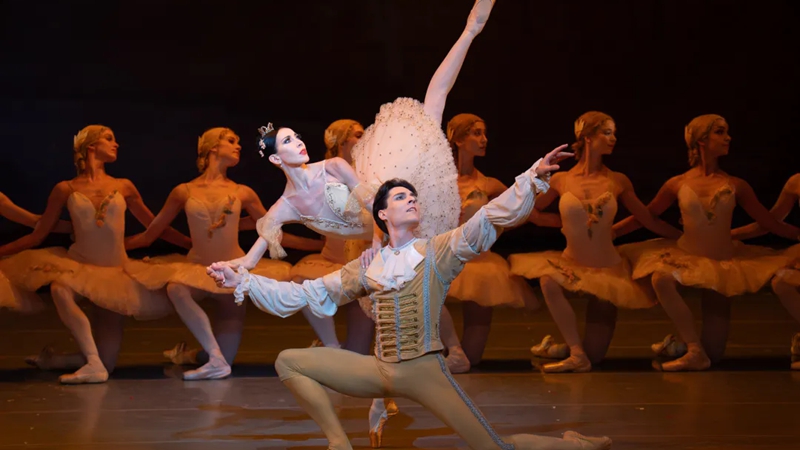
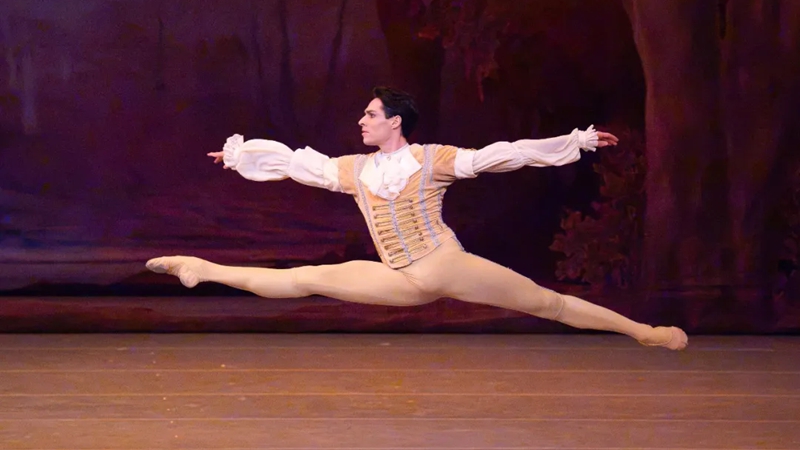
In Act II, a hundred years on, the former palace lay silent, swallowed by a dense forest. Prince Désiré made his entrance in the person of principal dancer Timur Askerov, whose elegant line and light, soaring leaps evoked the prince's noble bearing.
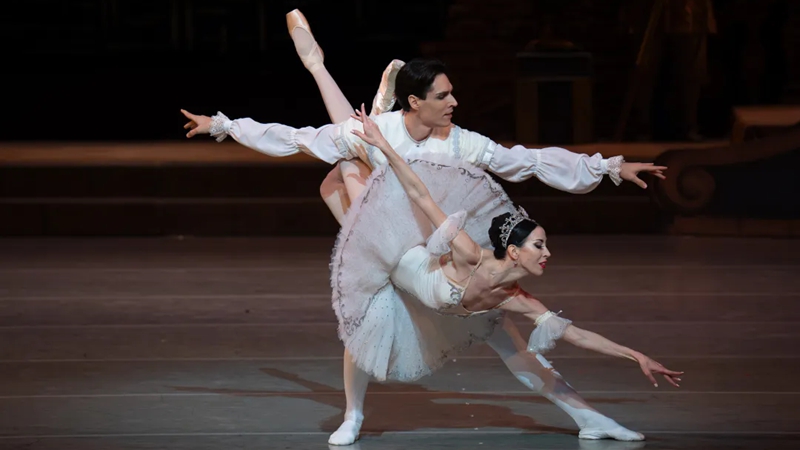
To the strains of the celebrated Act II violin solo, the Entr'acte, played by violinist Anton Kozmin, the Prince and the apparition of Aurora danced a tender pas de deux under the Lilac Fairy's guiding magic. The love that had begun to blossom grew into the power to break the curse, and at last a single kiss awakened Aurora, and with her the whole cour from its slumber.
Act III carried the audience into the grand wedding of the Prince and Princess, where a dazzling succession of dances by the guests unfolded as a joyous feast, held the house in thrall. The Diamond, Sapphire, Gold, and Silver Fairies each offered her blessings in turn, their lively, springing steps radiating a jewel-like brilliance.
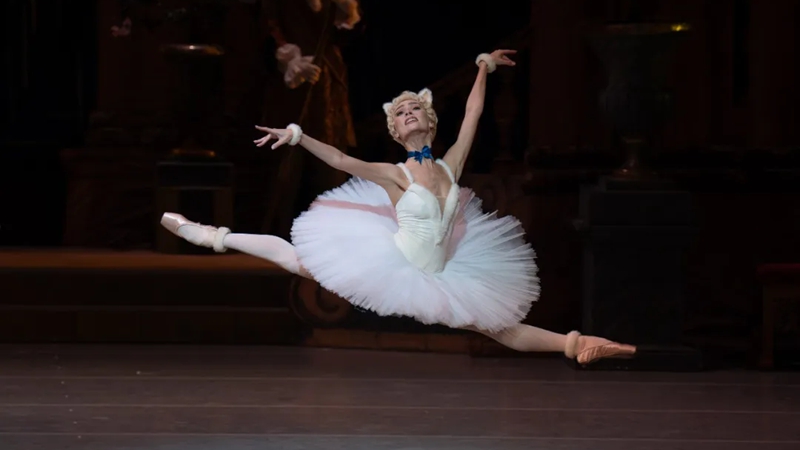
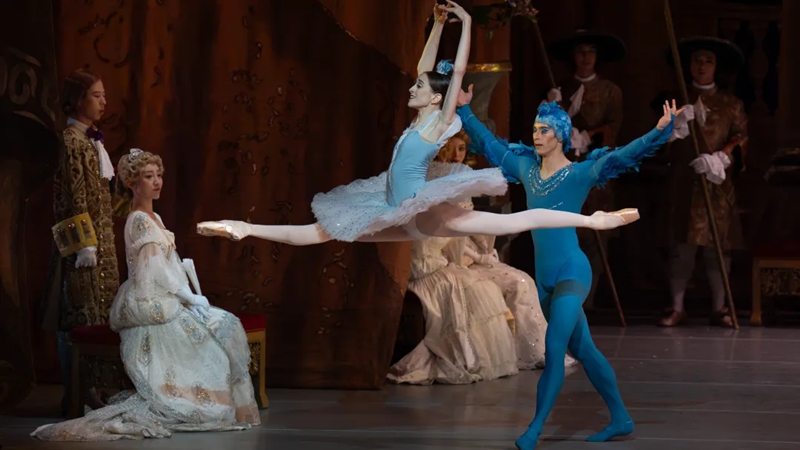
Then the fairy-tale world came calling at the grand wedding, as characters stepped out of their own realms to offer blessings: Bluebeard and his wife, Princess Florine and the Bluebird, Puss in Boots and the White Cat, Little Red Riding Hood and the Wolf, Cinderella and the Prince—a lively parade of well-loved figures from the classic tales.
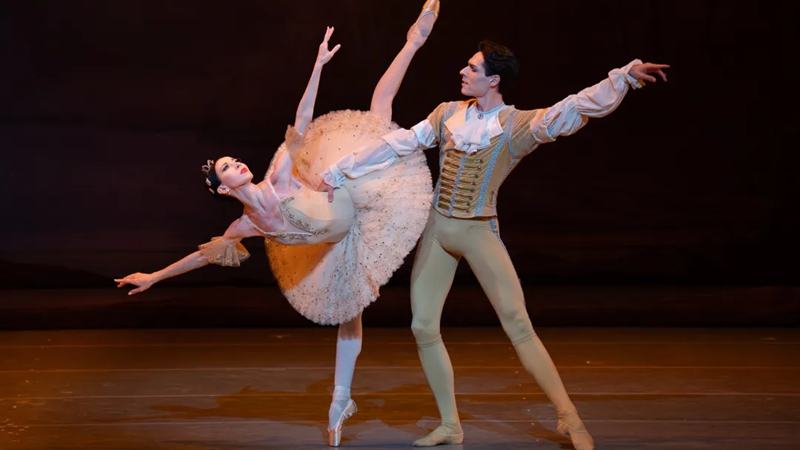
At the close of the wedding, Aurora and the Prince performed the Grand Pas de Deux, long a highlight of the work. The two principals, in perfect rapport, raised the evening to its peak: regal and poised in bearing, silken in movement, their partnering seamless and flowing like water, each at the height of technical command in the solo variations. As the house erupted in celebration, the curtain fell on a full-length evening of nearly four hours — and still the dreamlike journey left the audience longing for more.
On November 13th, The Sleeping Beauty continues at the NCPA with a fresh principal cast. What new shades will they bring to this timeless work?? The answer awaits.
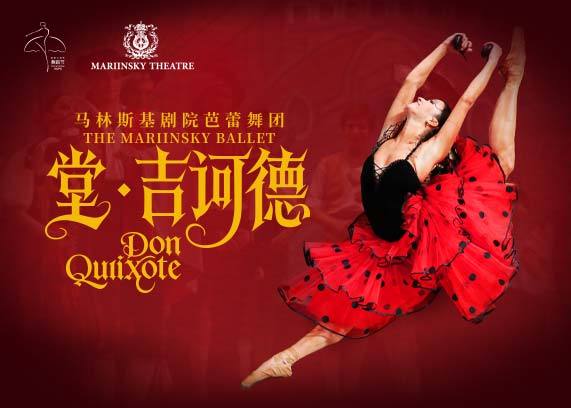
From November 14th to 15th, the Mariinsky Ballet will present three performances of Don Quixote, sweeping Beijing audiences into the sunlit plazas of Spain with fiery virtuosity — a different kind of enchantment entirely.



 Repertoire
 Films
 Videos
 Podcast
 China NCPA Orchestra
 China NCPA Chorus
 NCPA Resident Singers
 NCPA Drama Ensemble
 Buildings
Exhibitions
 Opening Hours
Services
 Western Cuisine
NCPA Café
Arts Gifts